 The Elephant Escaped
Tao Hui: Being Wild
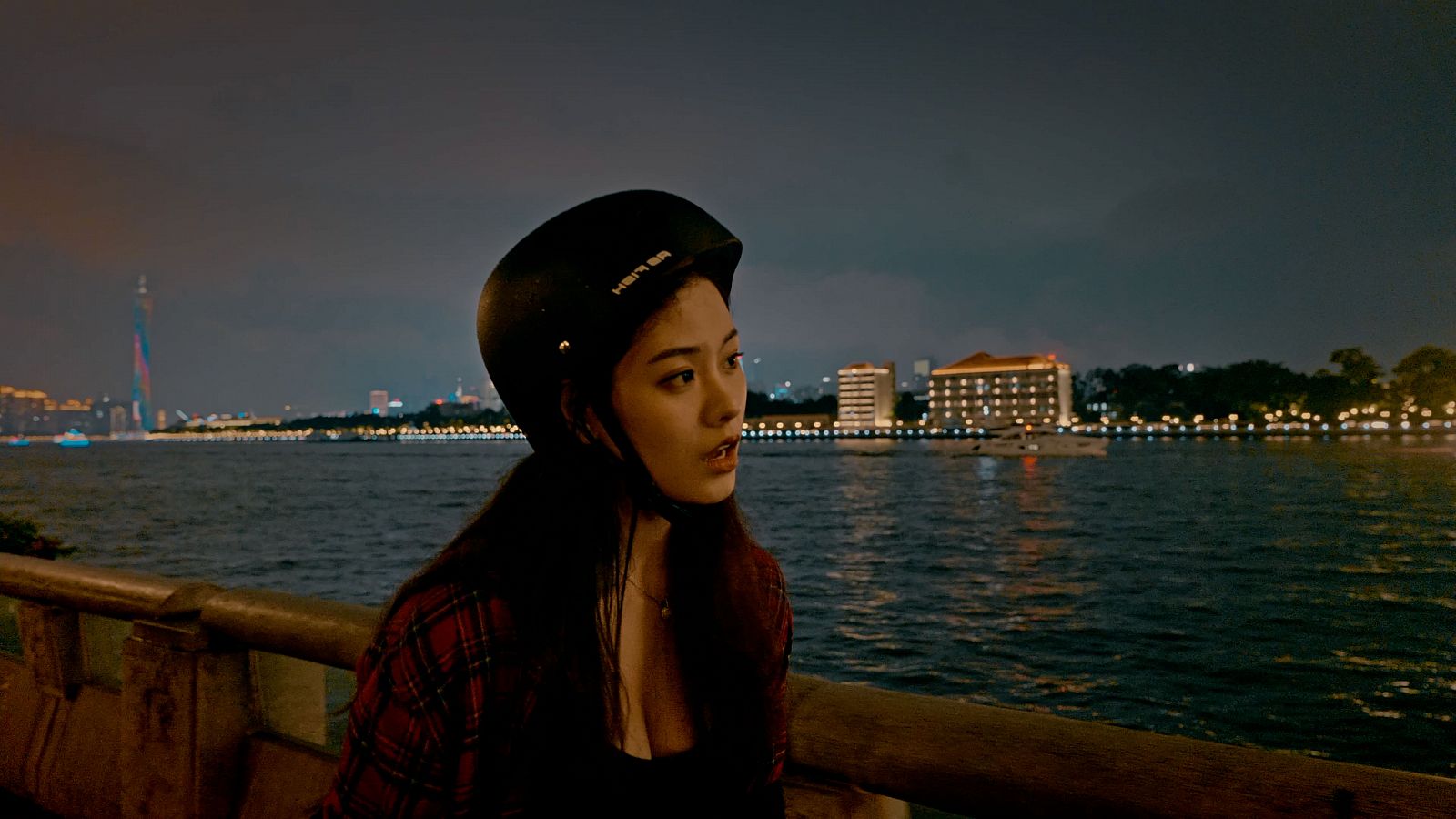
Tao Hui, "Being Wild", 2021, video, color, sound, 12'03", commissioned by MACA. "The Elephant Escaped" exhibition site. Photographer: Tsing Lim@AGENT PAY.
Tao Hui
Being Wild
Video, color, sound
12 min 3 sec
2021
A young woman skates through a college town, an old paper factory, an urban movie set, and a city center, singing lyrics by 1980s Taiwanese folk singers Tai Chaomei and Helen Wang. These lyrics are interspersed with lines that the artist wrote, creating a dialogue between the two. Roller skating came to China in the 1980s, and it gained popularity after the 1989 Asian Roller Skating Championship, which embedded it in the collective memory of a generation. The video draws on settings that frequently appear in film and television. Here, the everyday act of skating becomes a metaphor for the rapid passage of time. In this motion, individuals can use their bodies as a measure of the city and of the pace of the economy, exploring how to break free from those restrictions.
About the Artist
Tao Hui (b. 1987, Yunyang, Chongqing) graduated from the Oil Painting Department at the Sichuan Fine Arts Institute and currently lives and works in Beijing. Despite receiving a degree in oil painting, he primarily works in video and installation, refining and transforming personal memories, visual experiences, and popular culture to create new narrative modes and film styles. Focusing on issues of social identity, gender status, race, and cultural crisis, Tao Hui employs absurd, bizarre, and exaggerated scenes and characters that evoke metaphors and dislocations to present the collective experience of people today, prompting the audience to face their own cultural histories, lived circumstances, and social status.
和施博尔画廊(柏林)提供.jpg?w=1600)