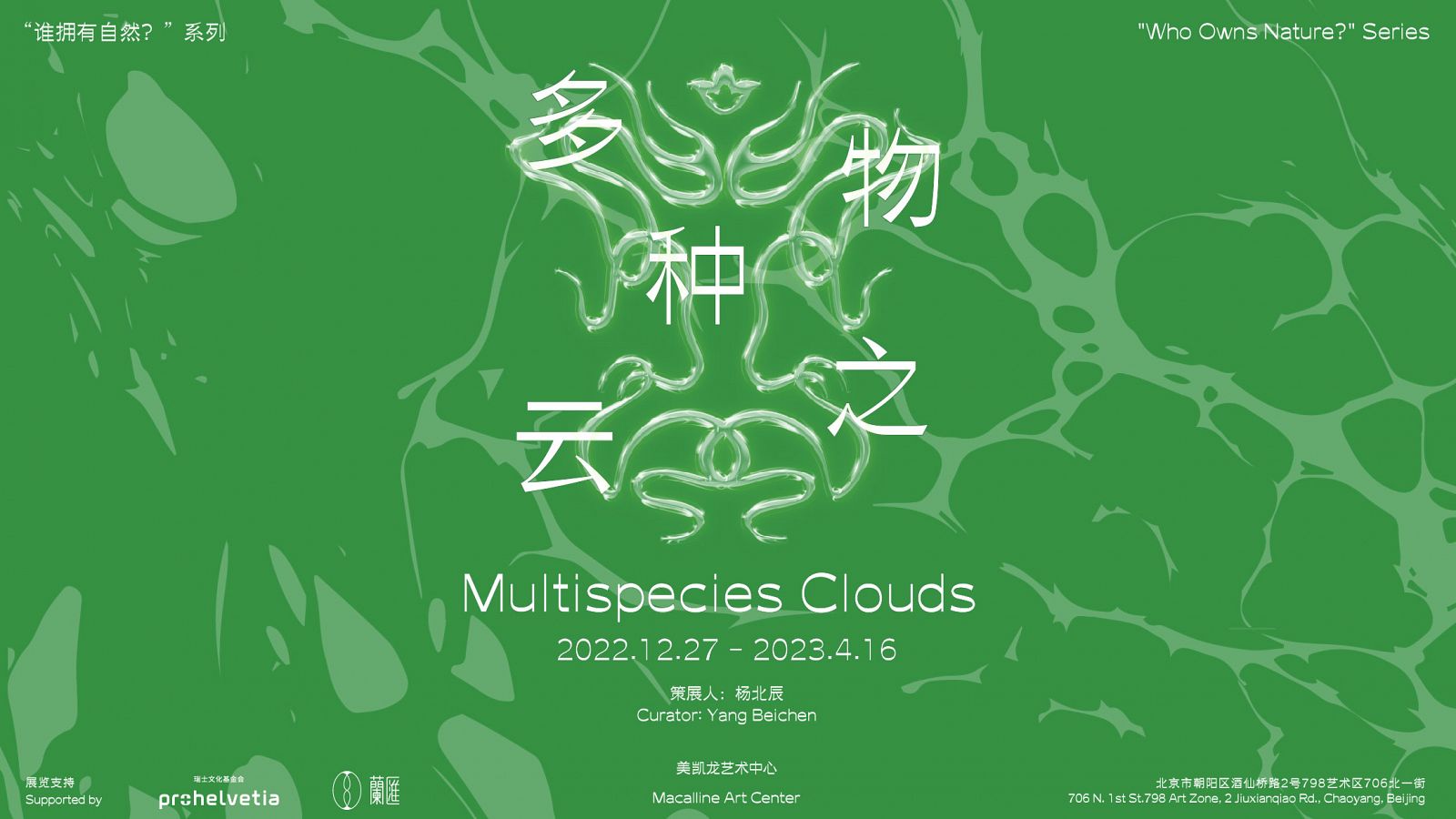
 Multispecies Clouds
Burmese Python, From Wartime Delicacy to Today’s Environmental Sentinels
2023.01.07 Saturday 19:00
Location
Online
Speaker: Wang Xiyan
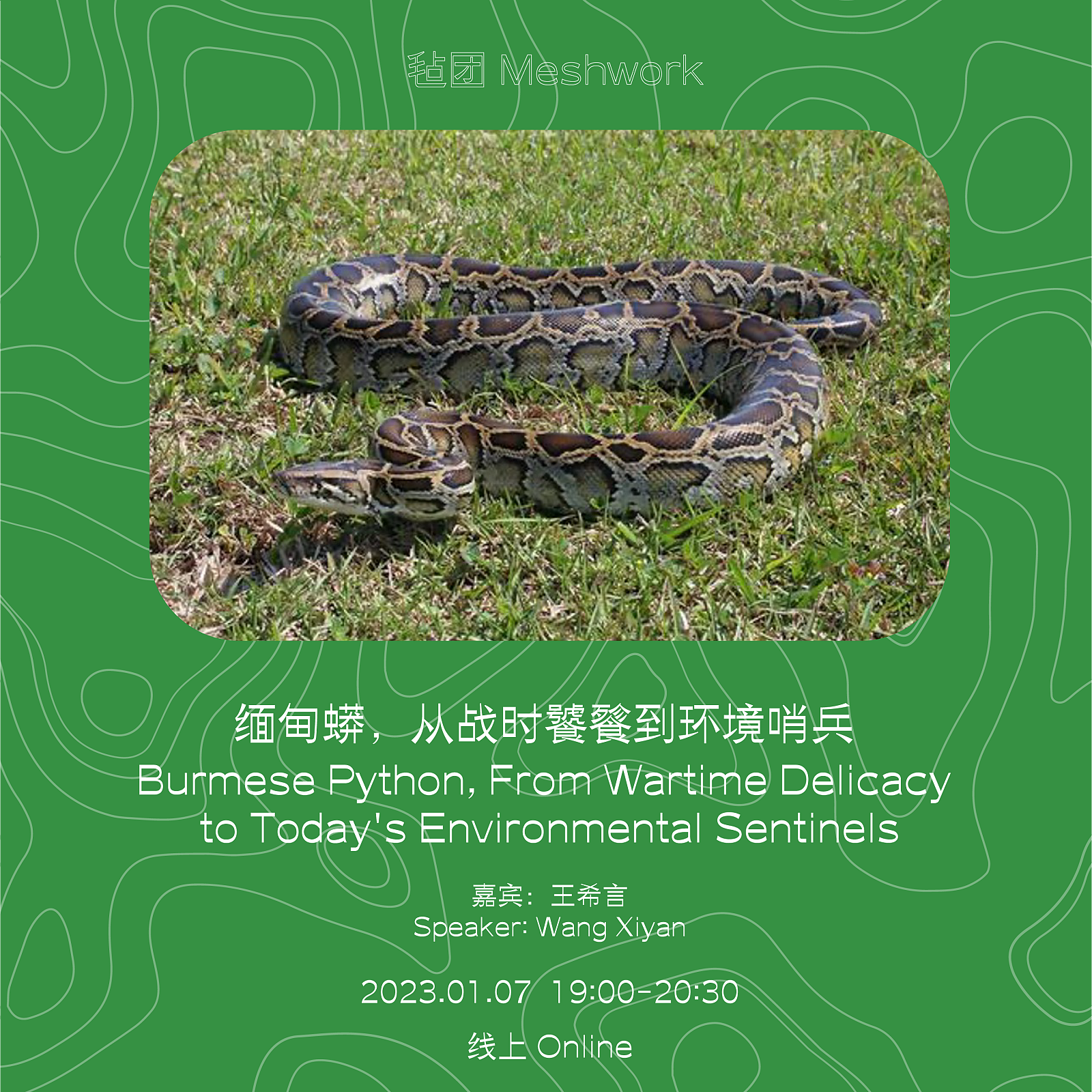
As the first session of the special public program “Meshwork” accompanying the exhibition “Multispecies Clouds“ at MACA , we are honored to have Dr. Wang Xiyan, anthropologist, tell us a legend about Burmese pythons in the Kinmen region, and explore the field practice of the "multi-species ethnography" method.
This study is based on Wang's fieldwork of “The Post-War Heritage of Kinmen Island” program during 2018-2019. During wartime, the Burmese python was once considered a delicacy by the garrison, and the species once went nearly extinct. After 2000, the Burmese python reappeared on Kinmen Island and proliferated rapidly, and controversy emerged among local governments, intellectuals and ordinary people over whether the species is natural heritage. The emergence, disappearance, and reappearance of the Burmese python in Kinmen not only reflects the contemporary history and demographic evolution of Kinmen Island, but also serves as an indicator to assess the ecological environment. This is also related to the different logics of heritage preservation among different groups of people in a non-Western context as well as in the midst of social transition, i.e. how “emotion” and “memory” are involved in the identification of heritage, and how an alternative human and “non-human” relationship is shaped.
About the Speaker:Wang Xiyan
Wang Xiyan, Ph.D. in anthropology from the Institut des Hautes Études en Sciences Sociales. Research fields: ecology, heritage, human-animal relationship.

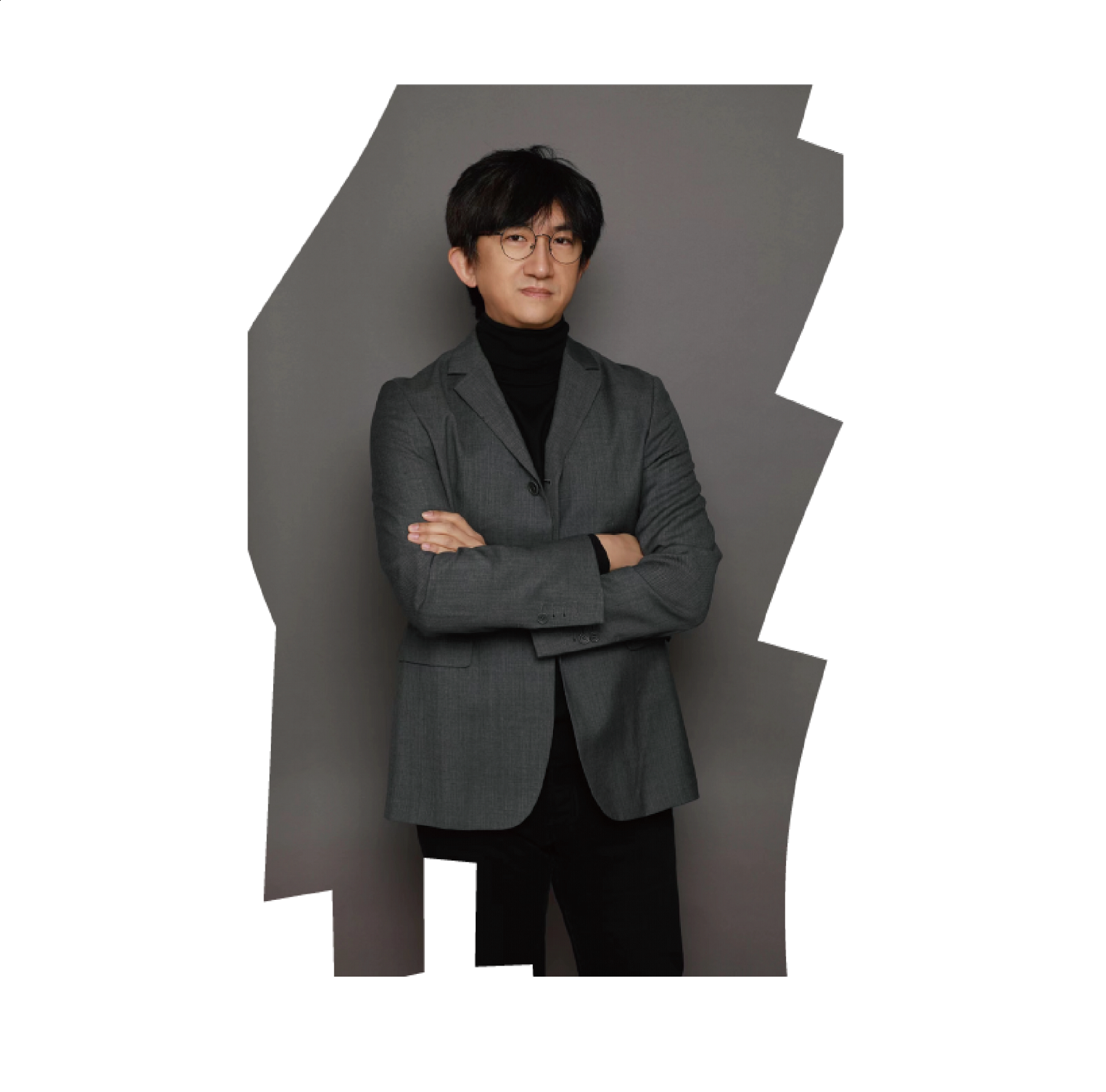
About the Project Curator: Yang Beichen
Dr. Yang Beichen is a researcher and a curator based in Beijing, China. He is the director of MACA (Beijing), and one of the members of the Thought Council at the Fondazione Prada (Milan, Venice).