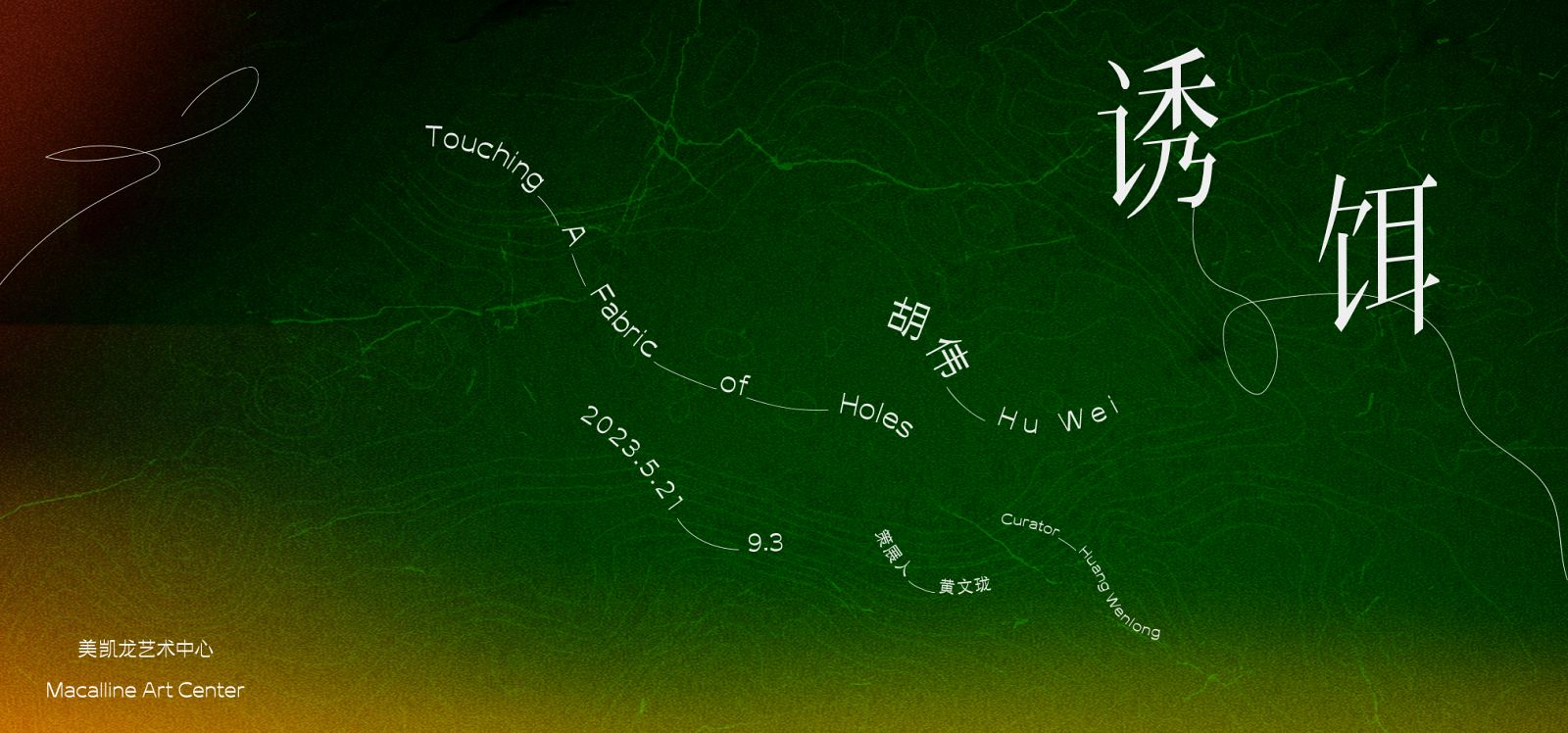
2023.05.21—09.03
Artist: Hu Wei
Curator: Huang Wenlong
“Hu Wei: Touching A Fabric of Holes” is the artist’s first solo institutional exhibition, exploring the thread of Hu Wei’s artistic practice over the past few years through videos, installations, and sculptures. The exhibition showcases his latest three channel video, The Rumbling (2023), which is supported by MACA.
A visual variation of the interweaving videos of landscapes and human traces, The Rumbling captures a forsaken quarry in Southern China. The protagonists in the footage have long vanished, while the stones that were extracted and transported have been used for reclaiming land from sea, and the abandoned debris has formed a new topography. How to present an absent scene? How to trace human migrations and the temporal scales they represent? These have become the focus of this new work.
The keyword of the exhibition, "decoy", alludes to the lure of Hu Wei's works, be it the historical references, the poetic narratives, the aesthetics of the composition, or the act of investigation. "Decoy" also reveals the hidden intentions beneath disguises. In his recent practice, the artist has roamed through different geographical and temporal contexts, capturing the spirit and physicality of individuals entangled in the intricate web of society and history. Through the translation of language, narrative, and media, he touches upon concrete individuals, who are sometimes trapped within, sometimes escaping. The interests he has on silenced histories lies more in revealing the fascinating tension implied by such intention, rather than simply being a concern with history. As shown in The Almost Perfect Crime (2022), inspired by historical anecdotes and cinema, and the voiceover in Long Time Between Sunsets and Underground Waves (2020-2021), symbolizing non-human life or deities, this is also the artist’s ongoing endeavor of constructing new narratives on modern ruins.
“Hu Wei: Touching A Fabric of Holes” is curated by MACA Curator Huang Wenlong. Please follow our official WeChat account to receive the latest updates on the exhibition.
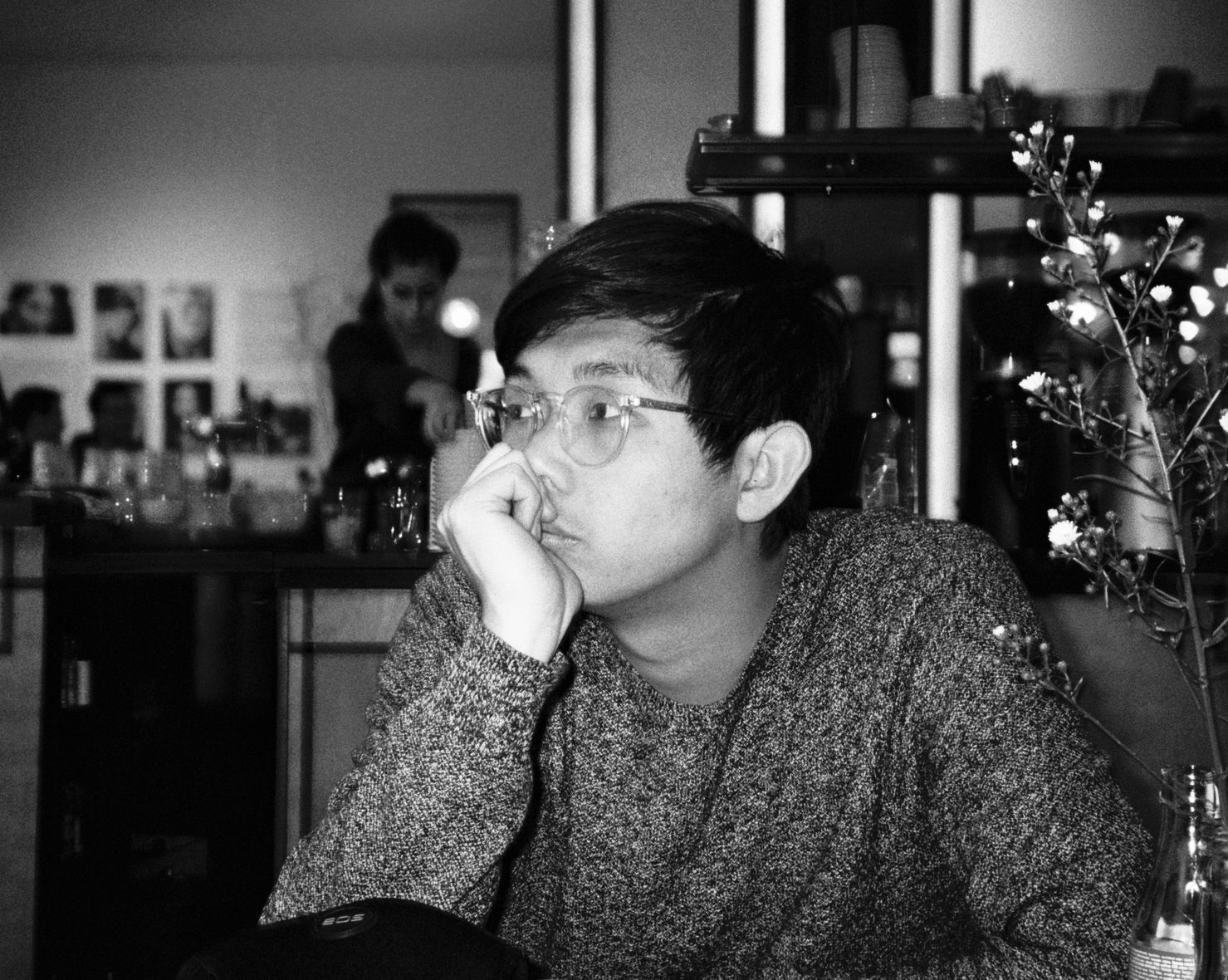
Hu Wei
Hu Wei (b.1989, Dalian, China) lives and works in Beijing, graduated from CAFA and obtained an MA at Dutch Art Institute (DAI) in NL in 2016. He works in a variety of media, including film making, installation, printed images, performance and drawing. His interest often begins with the seemingly unrelated elements between text and visual culture, exploring the multiple, speculative connections between art and reality in relation to both political and formal level through research, “translation” and imagination. His recent practice travels through different geo-contexts and "silencing" histories and materials, investigating the dynamics, fragmentation and synthetic alienation of human, non-human and material in the process of historical and natural transformation. Combined with moving image and essayistic aesthetics, his works also unfold the precarious relationship between invisible labor, affect, and value judgments in different political and economic environments. hu-wei.com
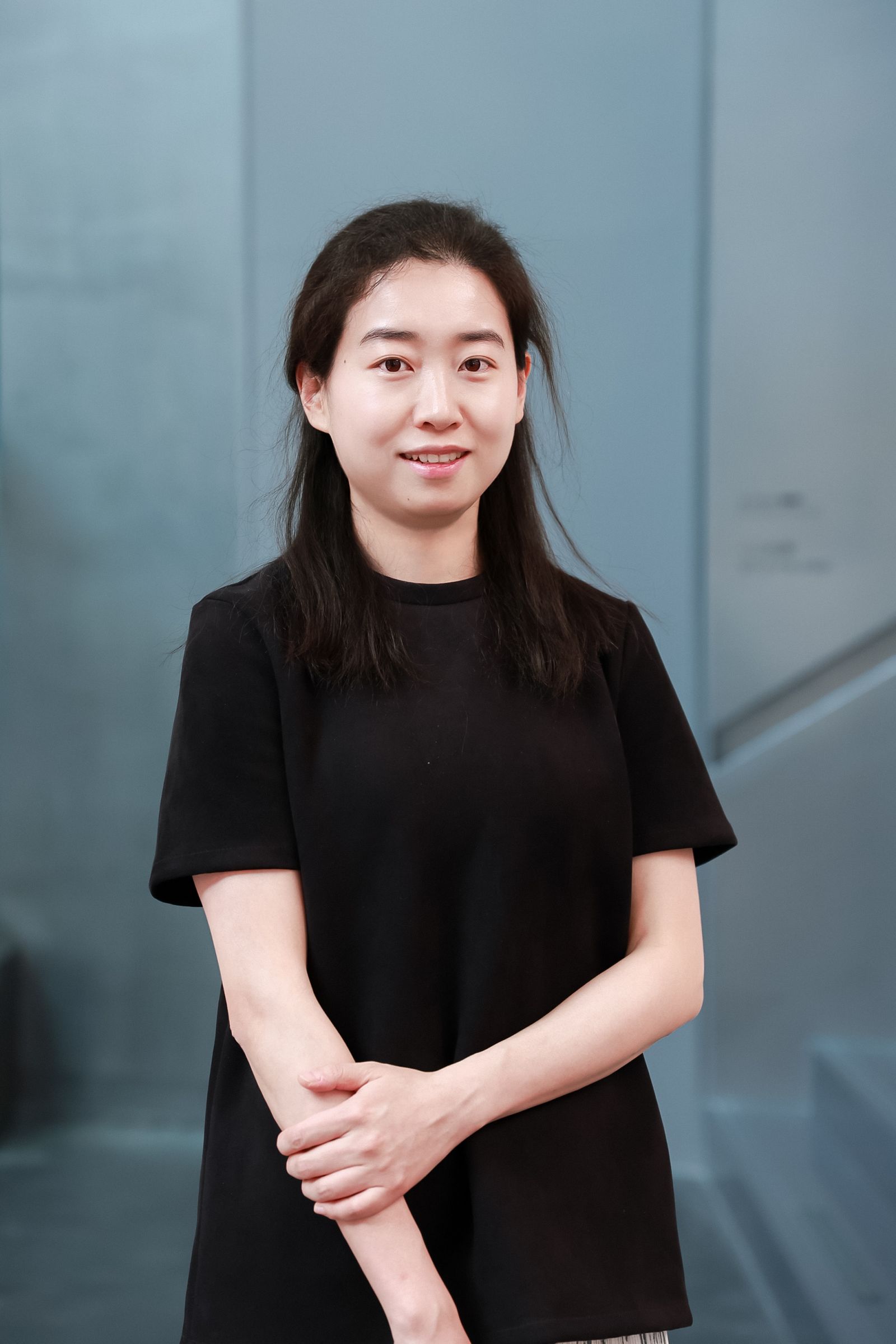
Huang Wenlong
Huang Wenlong is curator and researcher at MACA. Between 2019 and 2022, she worked at the Research and Curatorial Department at the Beijing Inside-Out Art Museum, where she researched chronology of Beijing-basedchoreographer Wen Hui. She worked as an assistant curator in major research exhibitions including Waves and Echoes: A Process of Re-contemporarization inChinese Art Circa 1987 Revisited and Waves and Echoes: Postmodernism and theGlobal 1980s. She co-curated Principle of Hope, An Impulse to Turn, From Art to Yishu, From Yishu to Art,and curated Wang Huangsheng: Publishing EnablesThinking Out Loud.
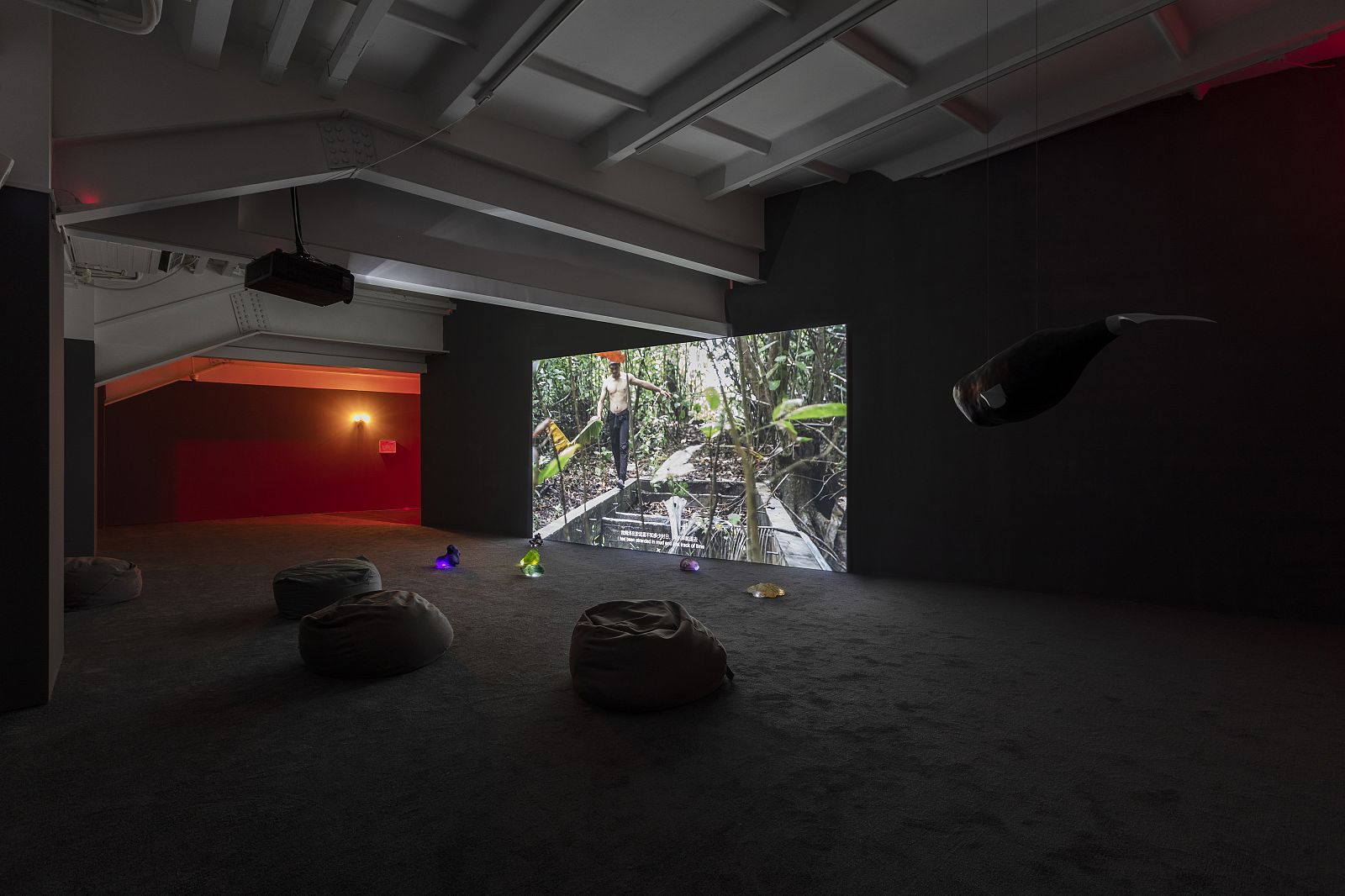
Touching A Fabric of Holes, May 21 to September 3, 2023, MACA. Photo: Yang Hao.
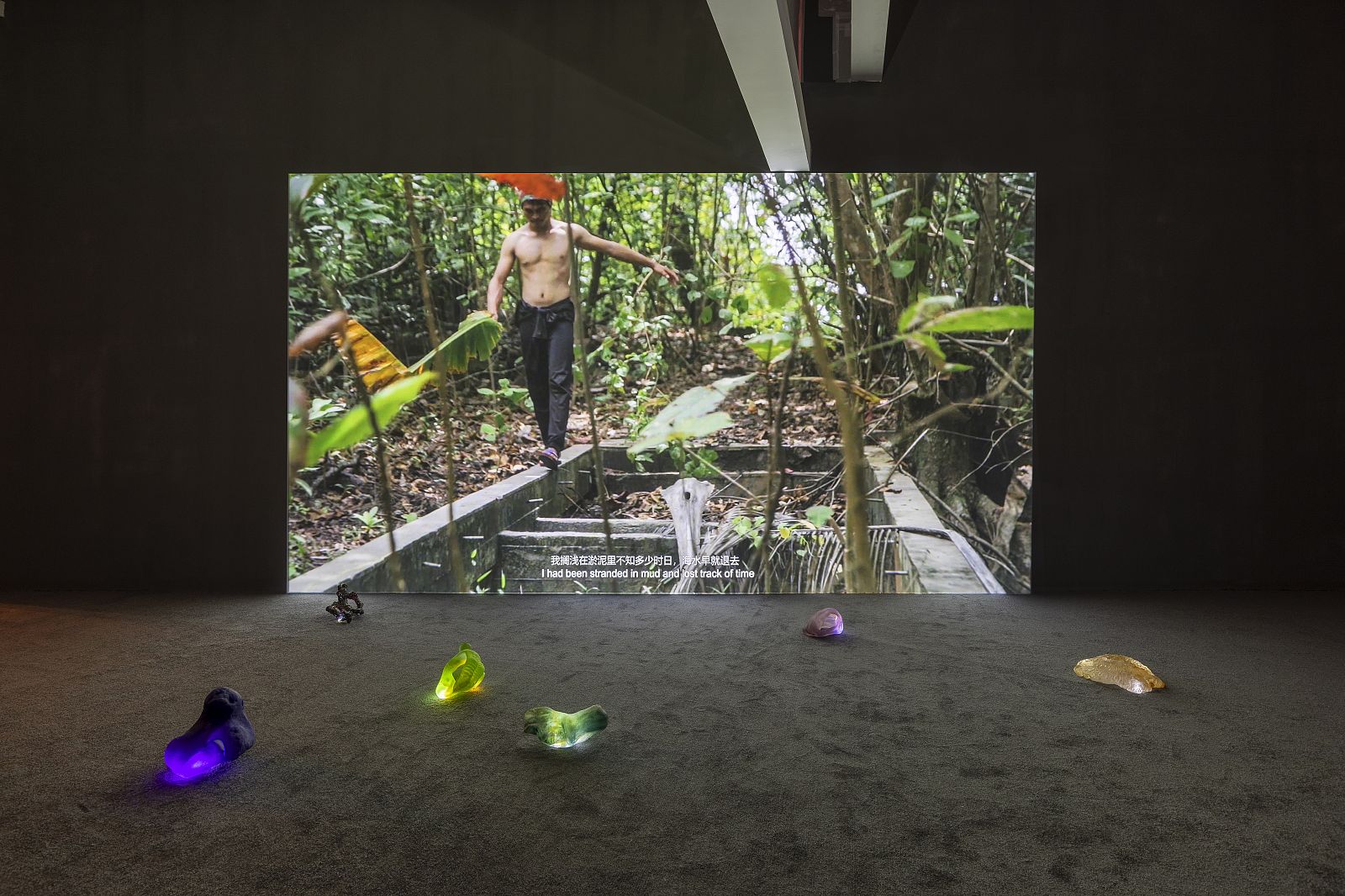
Hu Wei, Long Time between Sunsets and Underground Waves, single channel video, color, sound, 53’16”, 2020-2021. Photo: Yang Hao.
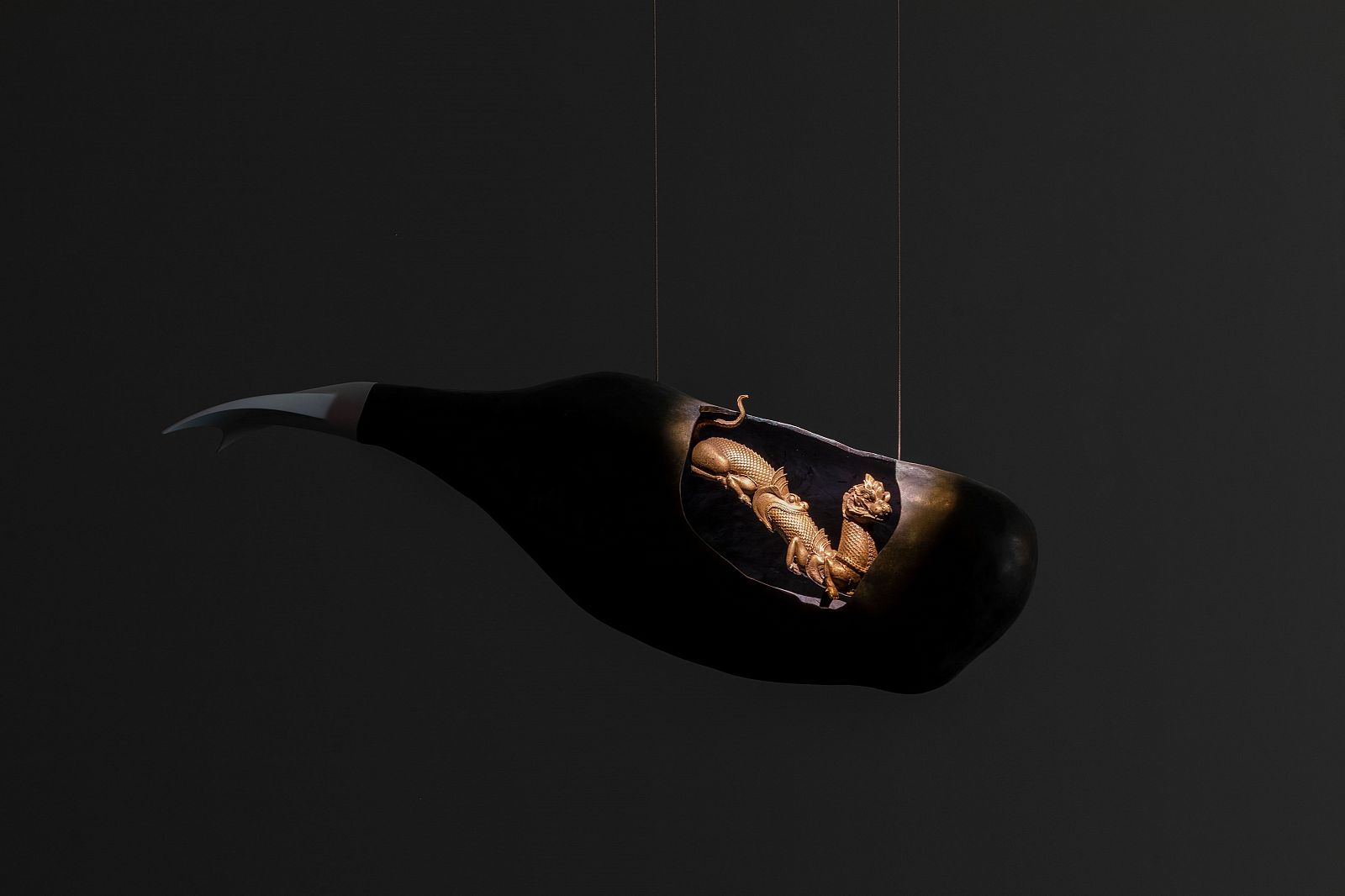
Hu Wei, In the Belly of the X – Double Headed, brass, bronze, stainless steel, photosensitive resin, crystal, chemical heat coloring, 22x72x30.5cm, 2021. Photo: Yang Hao
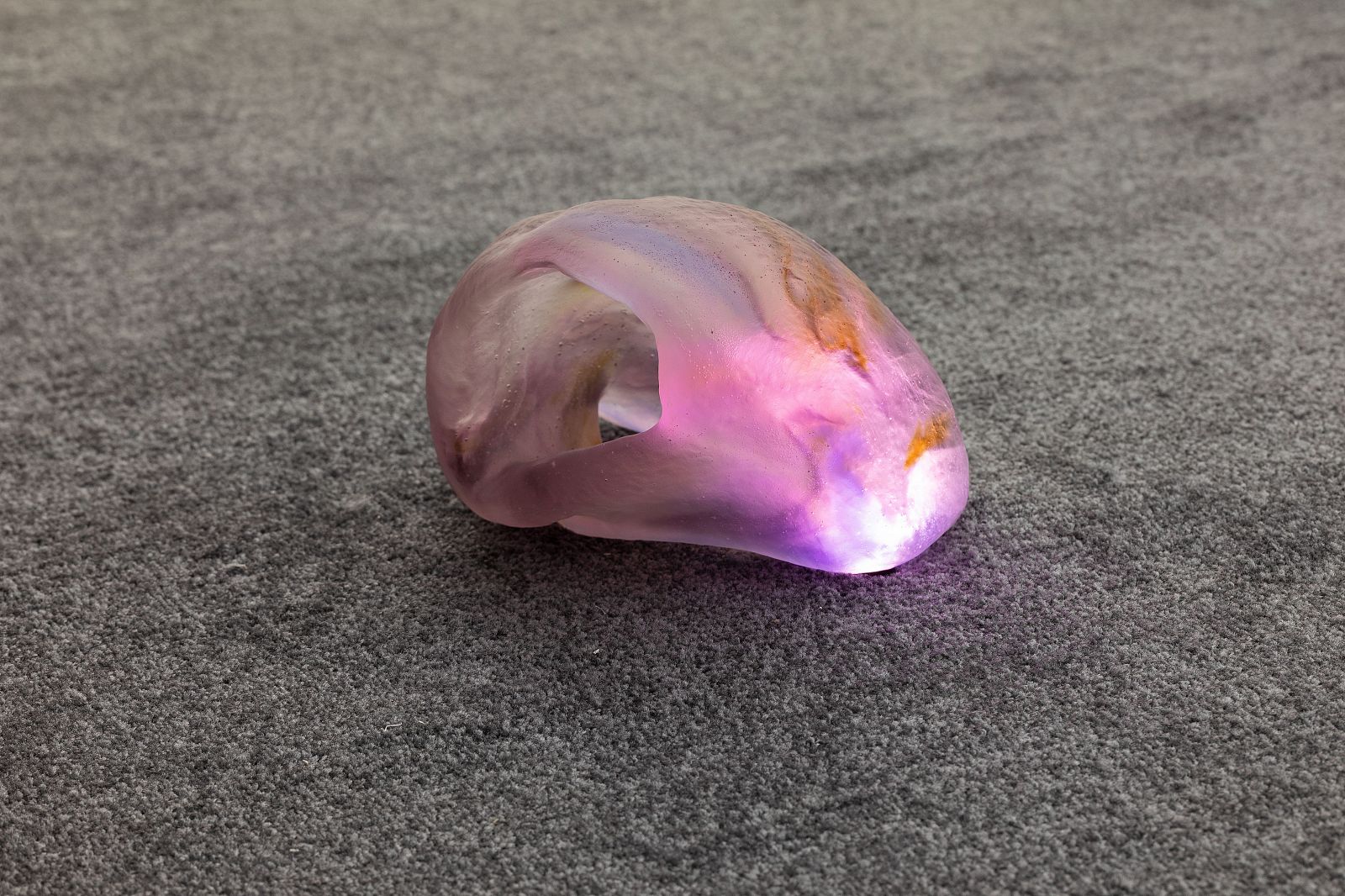
Hu Wei, Aquatic Invasion (No.1 - No.6), glass, crystal powder, refractory sand, clay, glaze, black iron, mineral pigments, LED light, 2021. Photo: Yang Hao
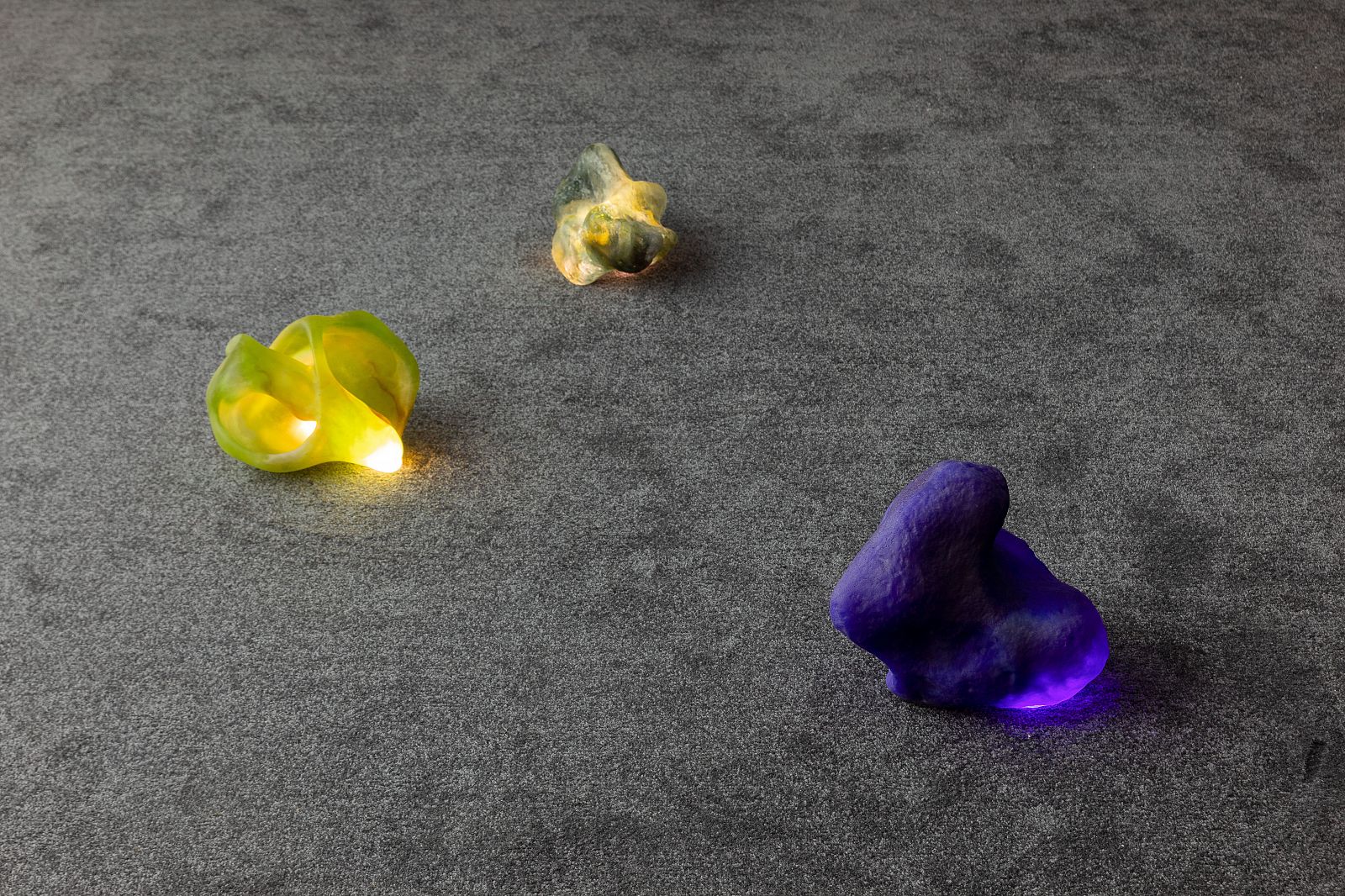
Hu Wei, Aquatic Invasion (No.1 - No.6), glass, crystal powder, refractory sand, clay, glaze, black iron, mineral pigments, LED light, 2021. Photo: Yang Hao
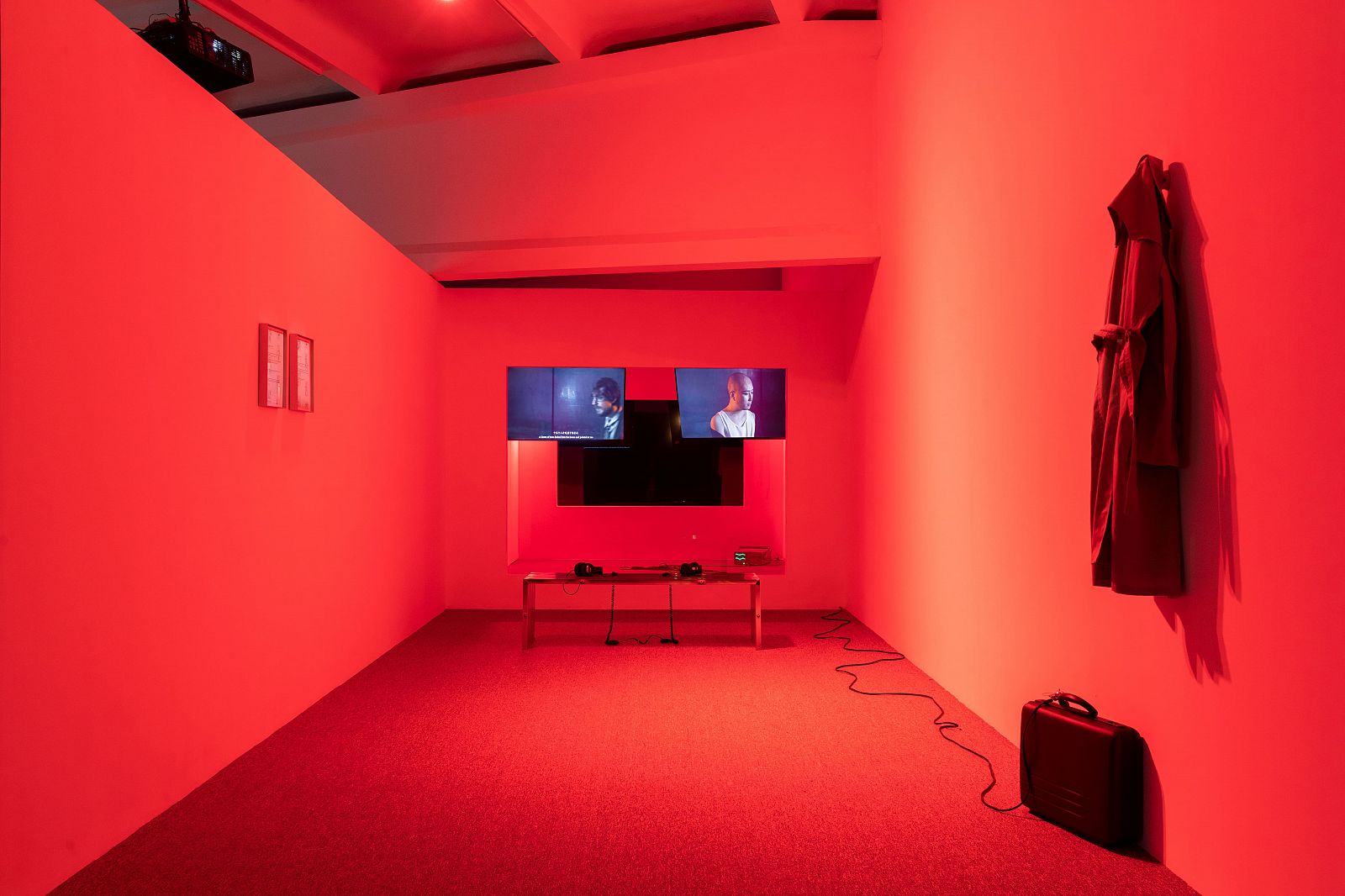
Touching A Fabric of Holes, May 21 to September 3, 2023, MACA. Photo: Yang Hao.
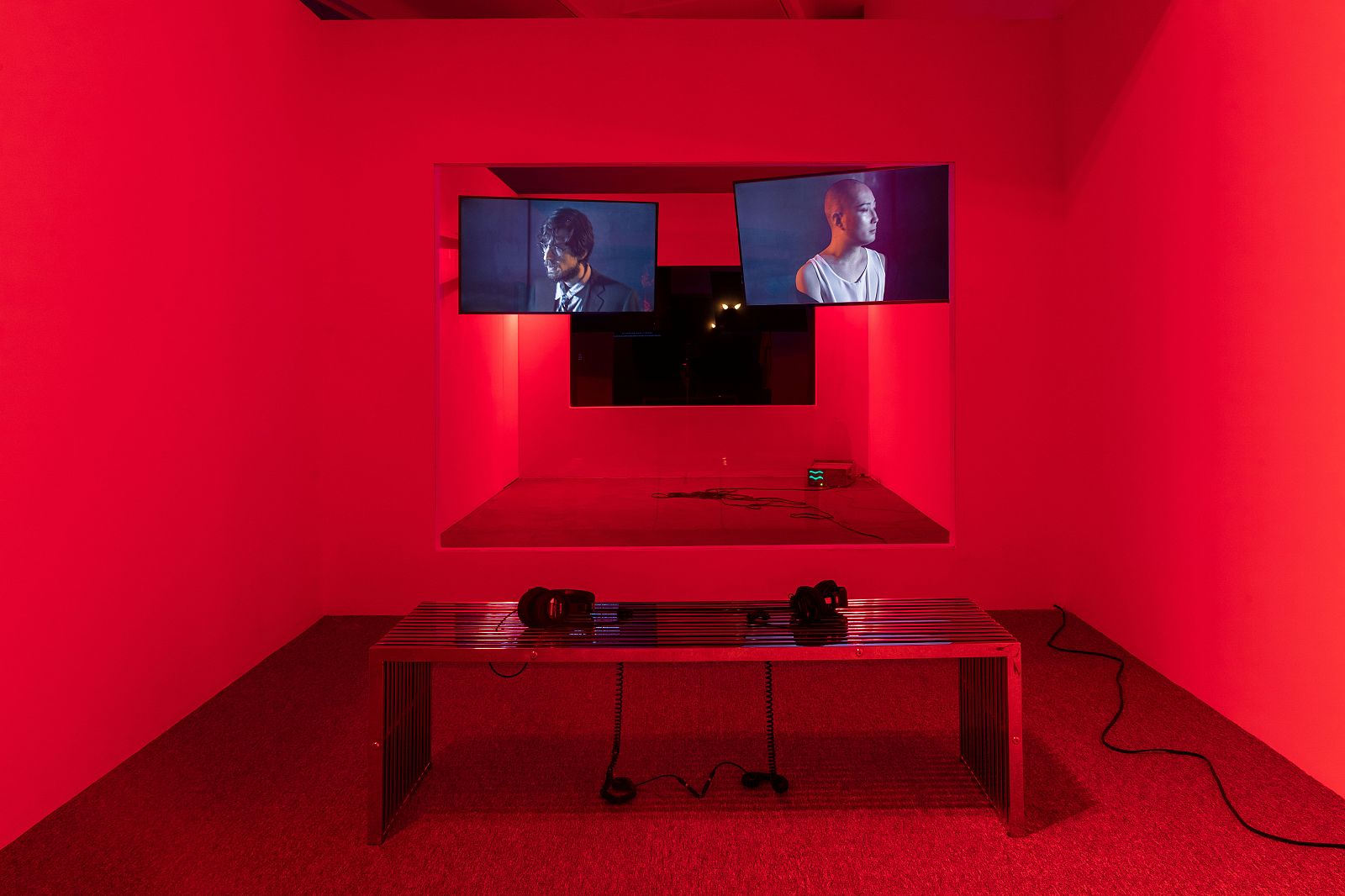
Hu Wei, The Almost Perfect Crime, two channel synchronized 4K video installation, color, sound, 16’39”, 2022. Photo: Yang Hao.
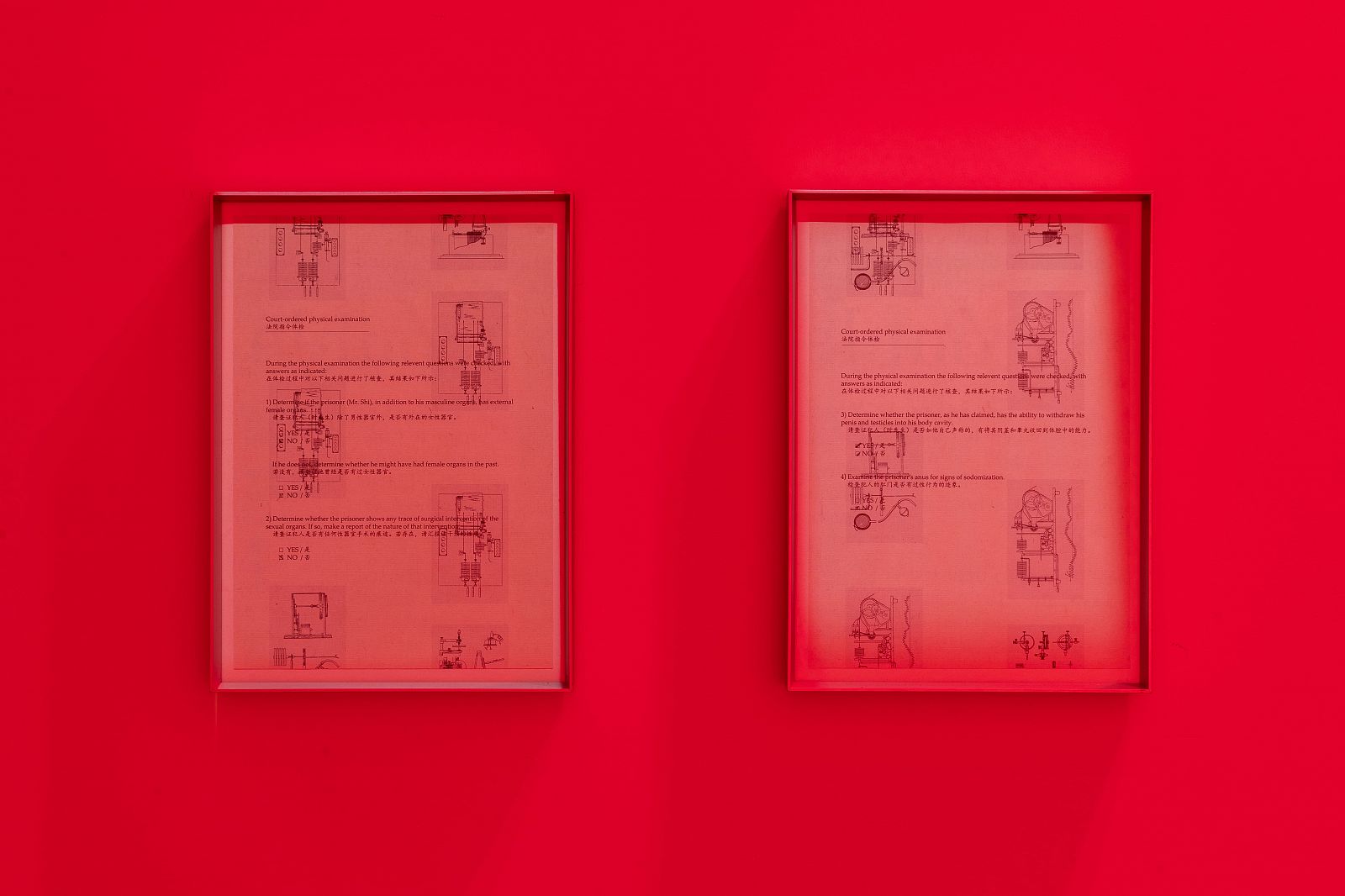
Touching A Fabric of Holes, May 21 to September 3, 2023, MACA. Photo: Yang Hao.
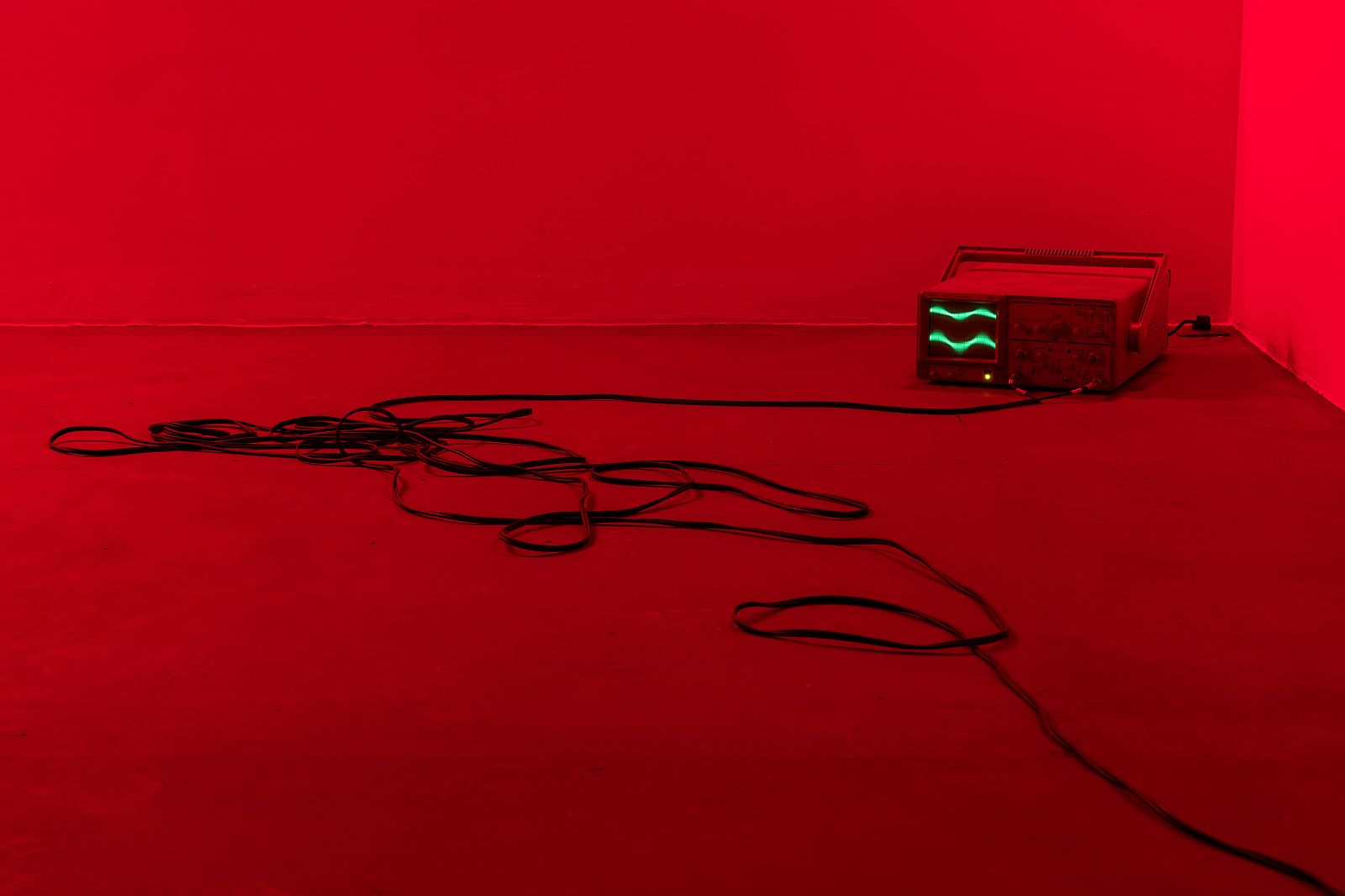
Touching A Fabric of Holes, May 21 to September 3, 2023, MACA. Photo: Yang Hao.
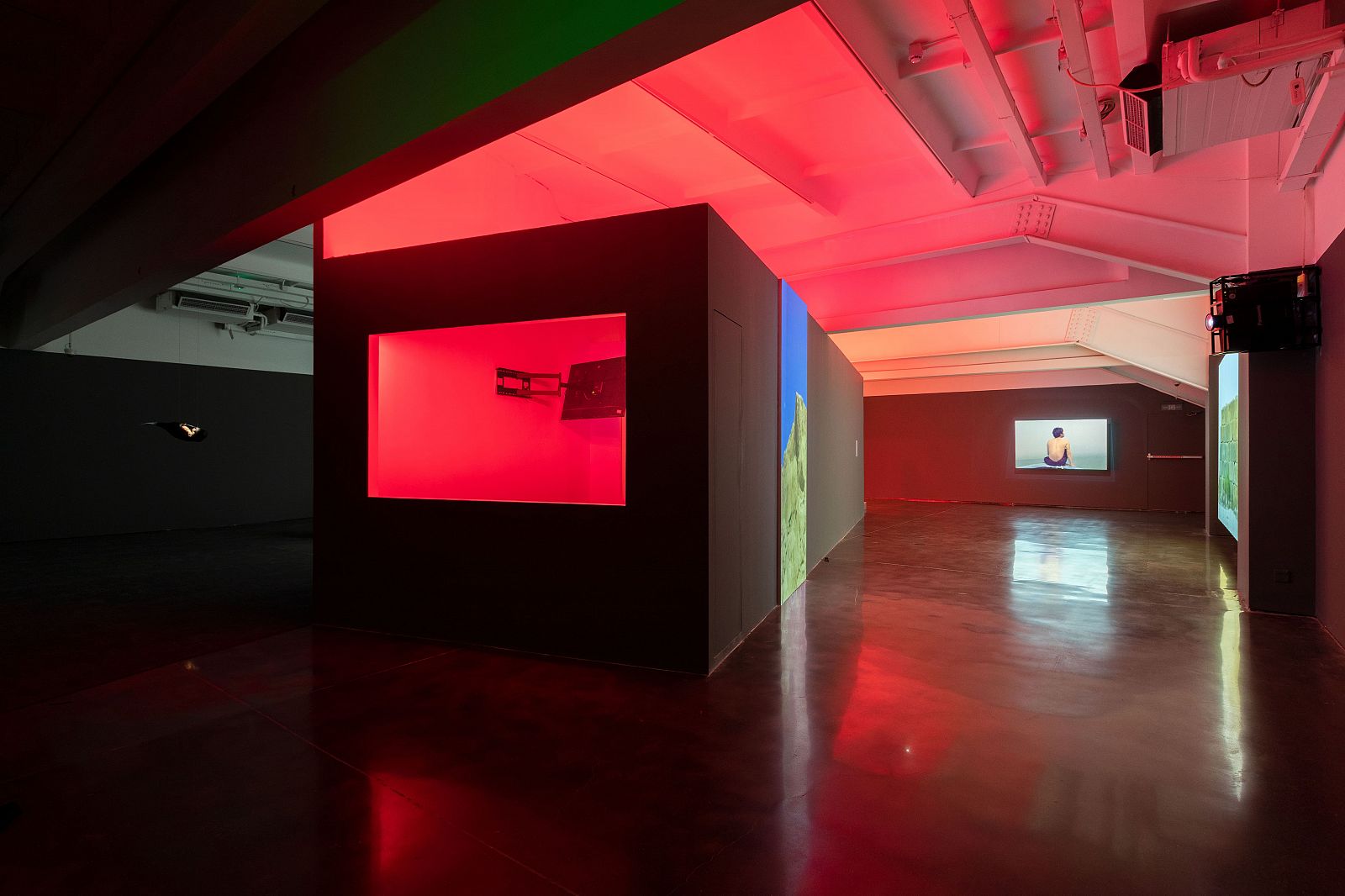
Touching A Fabric of Holes, May 21 to September 3, 2023, MACA. Photo: Yang Hao.
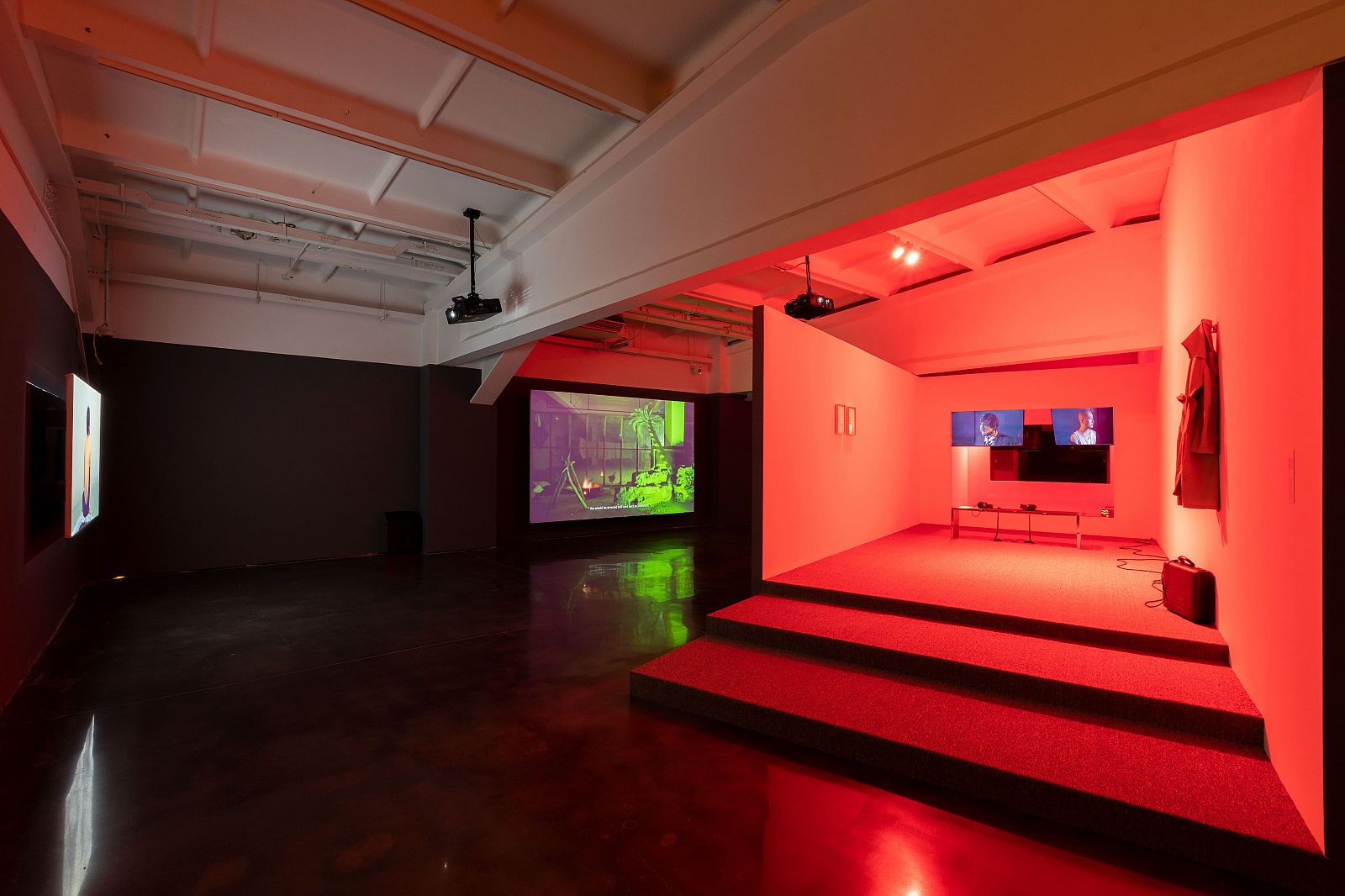
Touching A Fabric of Holes, May 21 to September 3, 2023, MACA. Photo: Yang Hao.
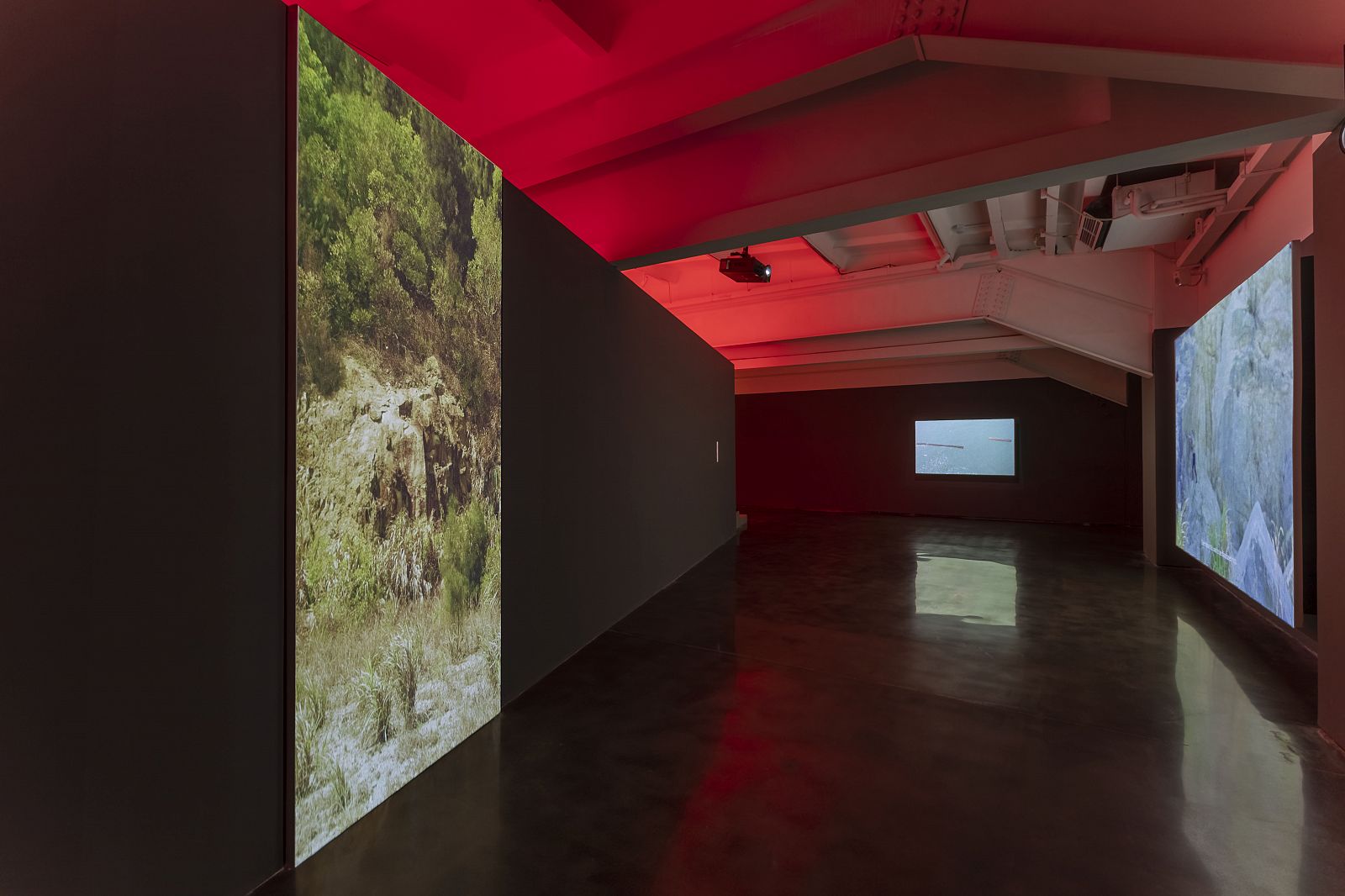
Hu Wei, The Rumbling, three channel HD video installation, color, sound, super 16mm film to 2K digital image, 2K digital image, supported by MACA. Photo: Yang Hao.
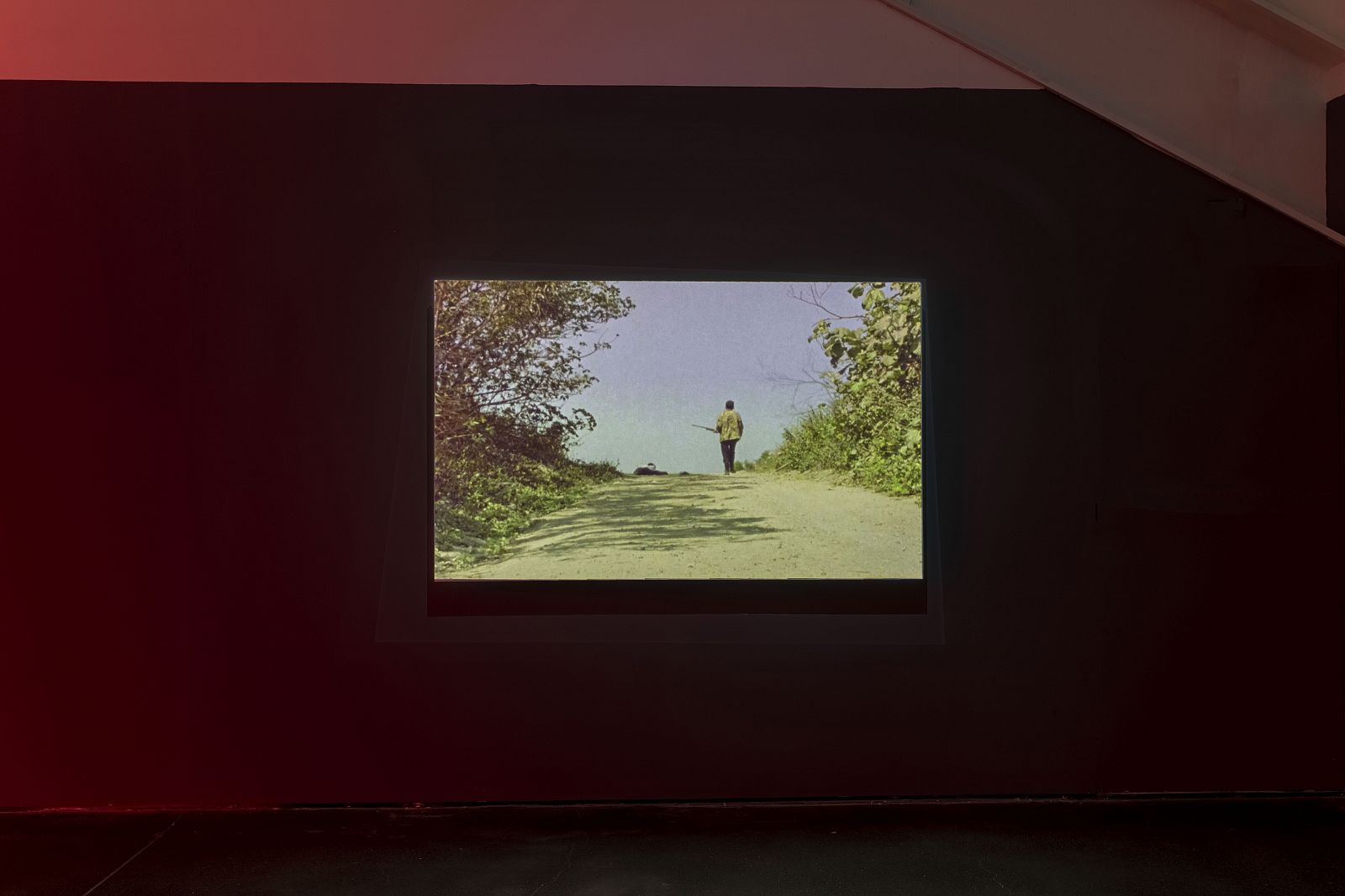
Hu Wei, The Rumbling, three channel HD video installation, color, sound, super 16mm film to 2K digital image, 2K digital image, supported by MACA. Photo: Yang Hao.
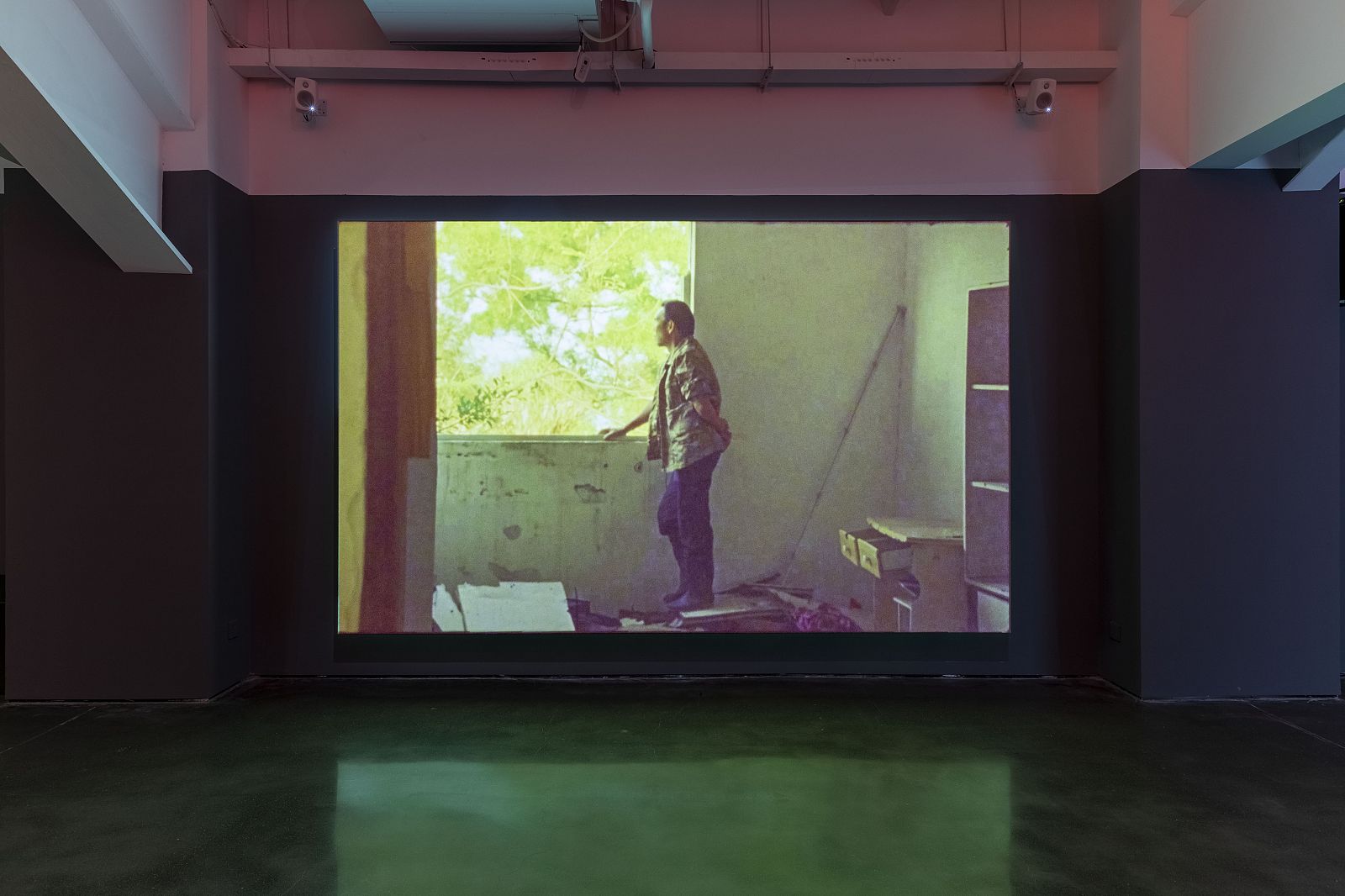
Hu Wei, The Rumbling, three channel HD video installation, color, sound, super 16mm film to 2K digital image, 2K digital image, supported by MACA. Photo: Yang Hao.
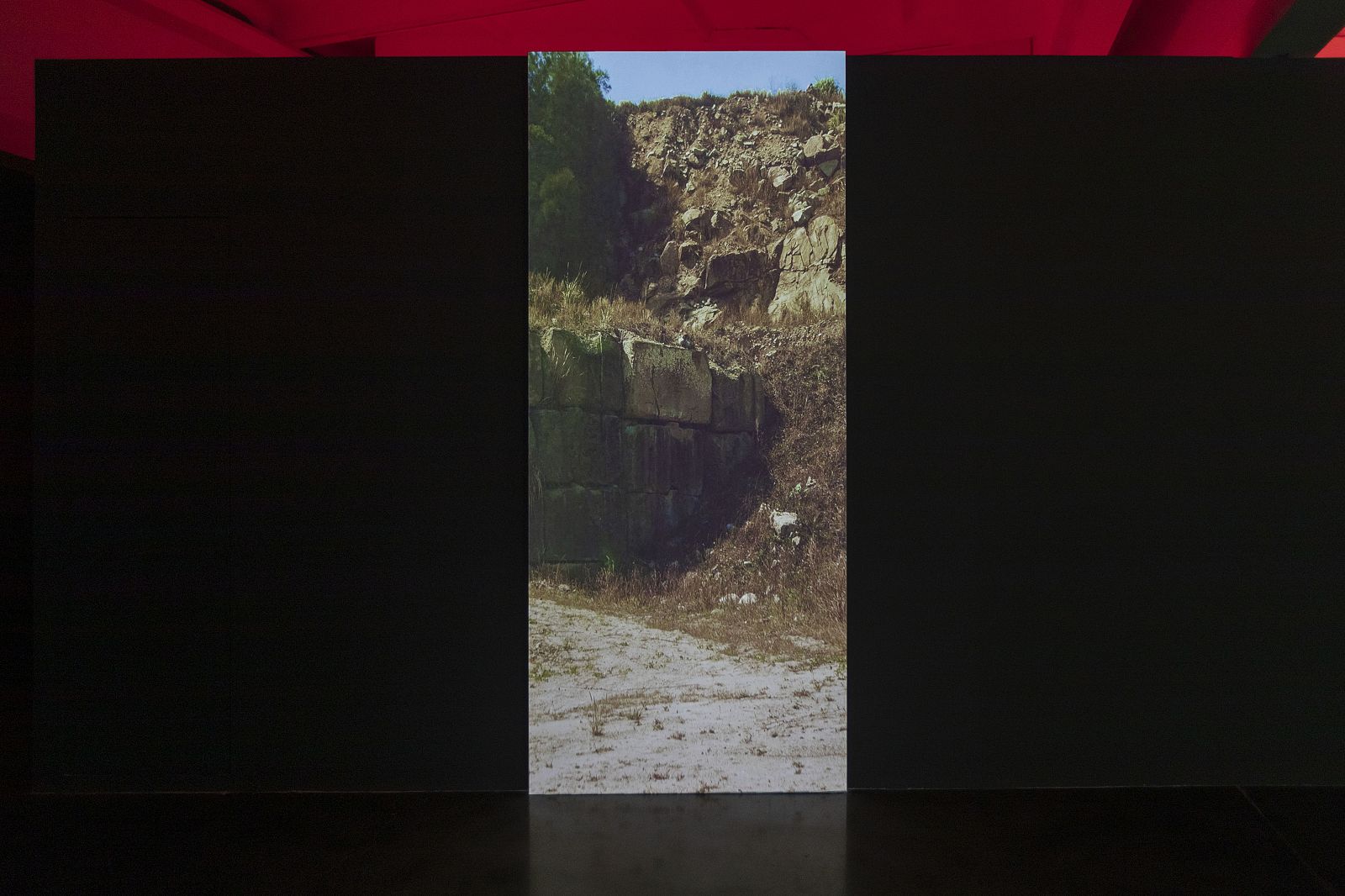
Hu Wei, The Rumbling, three channel HD video installation, color, sound, super 16mm film to 2K digital image, 2K digital image, supported by MACA. Photo: Yang Hao.