2023.12.20 Wednesday
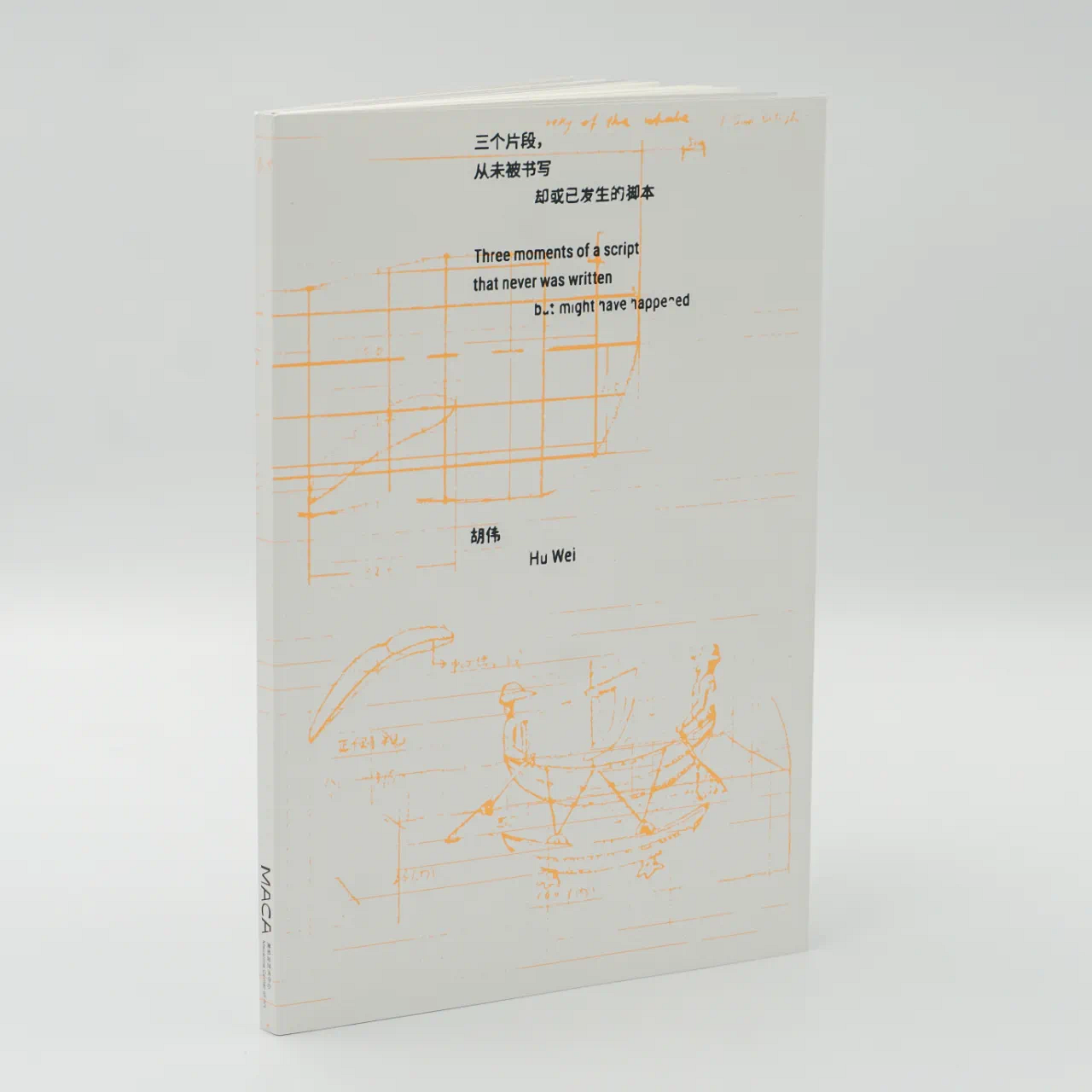
Book title: Three moments of a script that never was written but might have happened
Author: Hu Wei
Publisher: MACA Art Center
Editor: te editions
Designer: Yu-Cheng Hsiao
Size: 130*190mm
Page number: 128
Language: bilingual (Chinese and English)
Price: 98RMB
MACA is honored to collaborate with Hu Wei after his solo exhibition "Touching A Fabric of Holes" to launch a bilingual artist book, "Three moments of a script that never was written but might have happened". Taking Hu Wei's three video works, Long Time Between Sunsets and Underground Waves, The Almost Perfect Crime, and The Rumbling shown in his solo exhibition as a starting point, this book attempts to construct the possibility of a new script in the multiple relationships between creative materials, images, and texts.
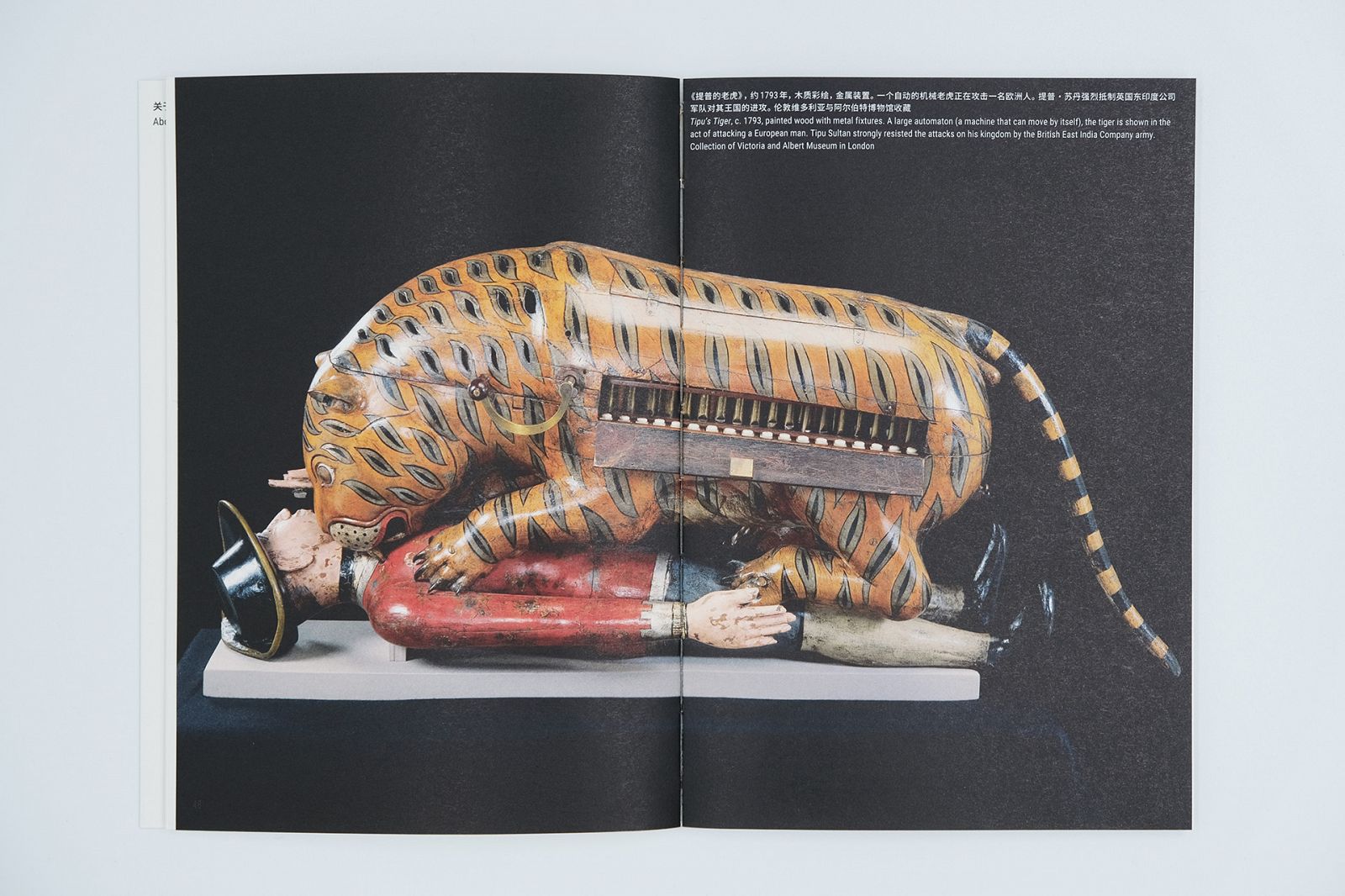
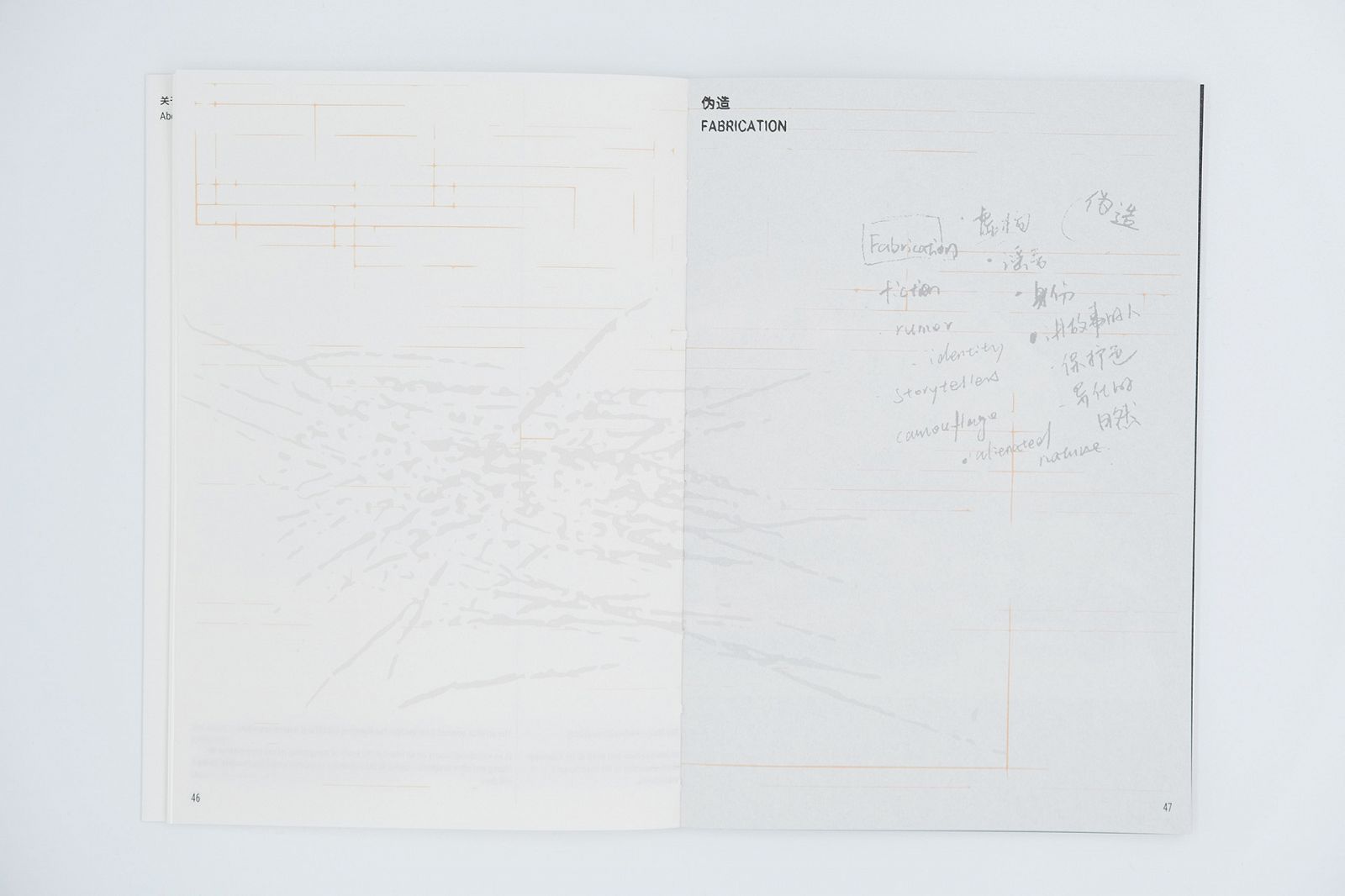
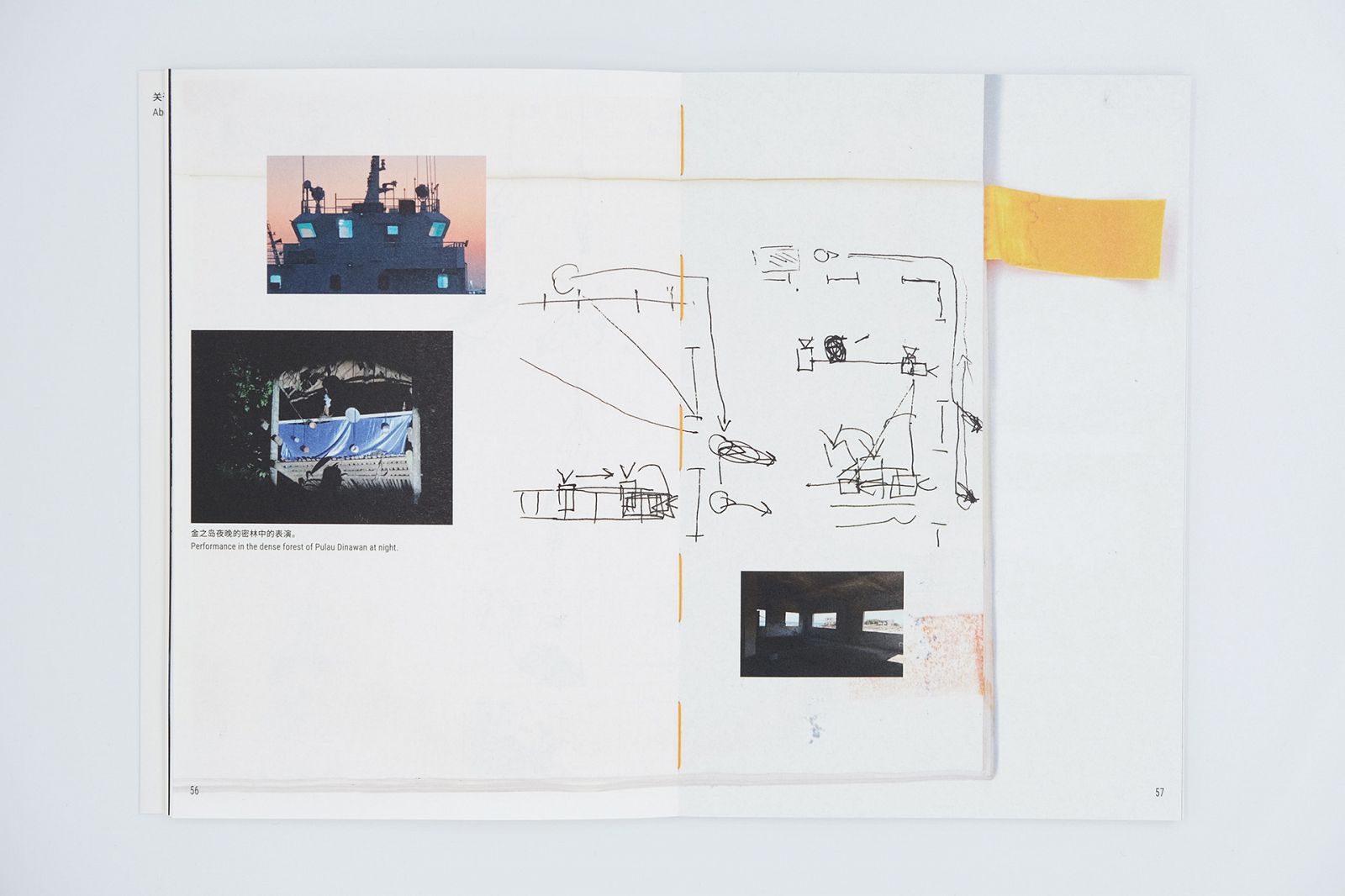
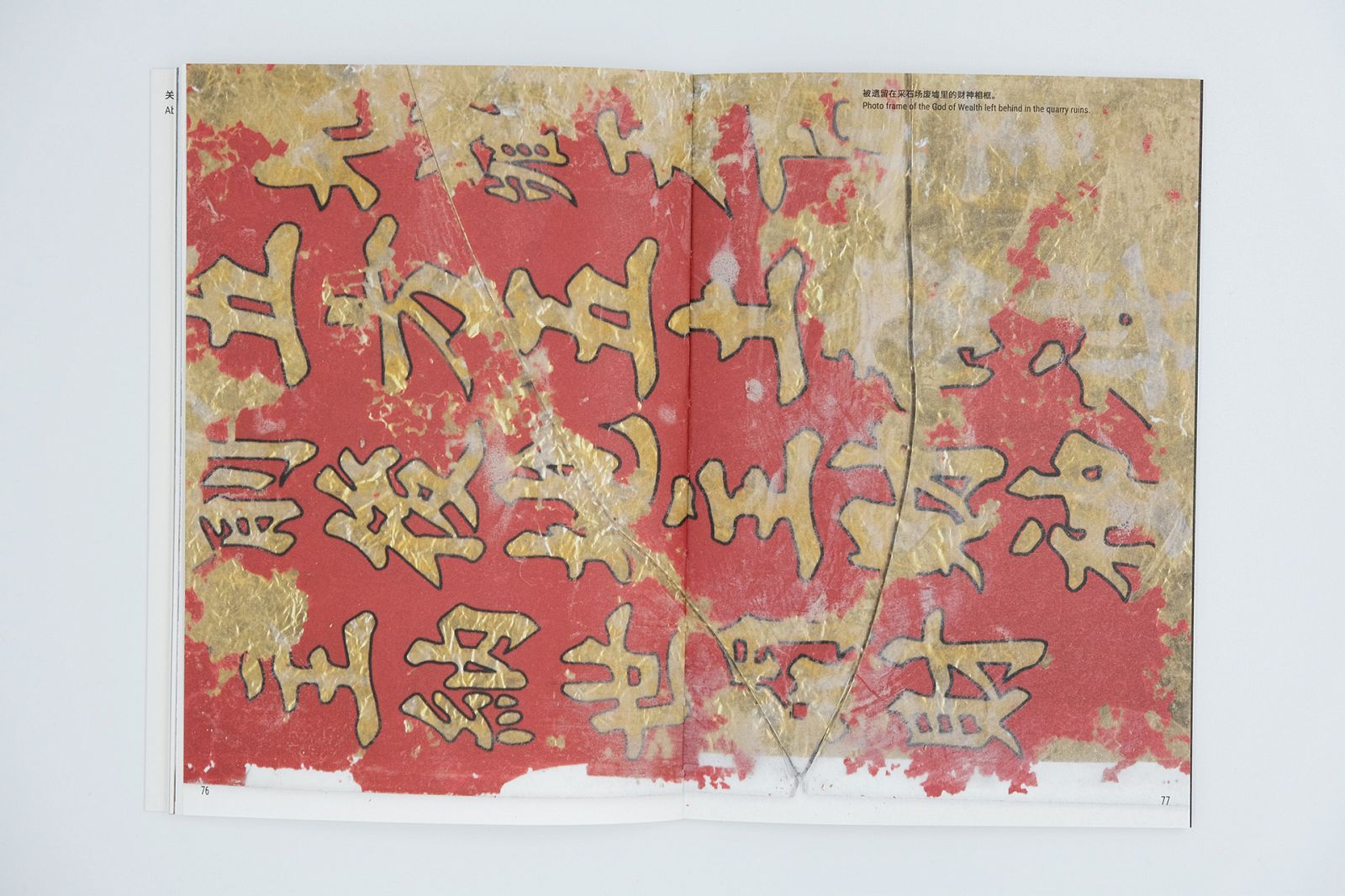
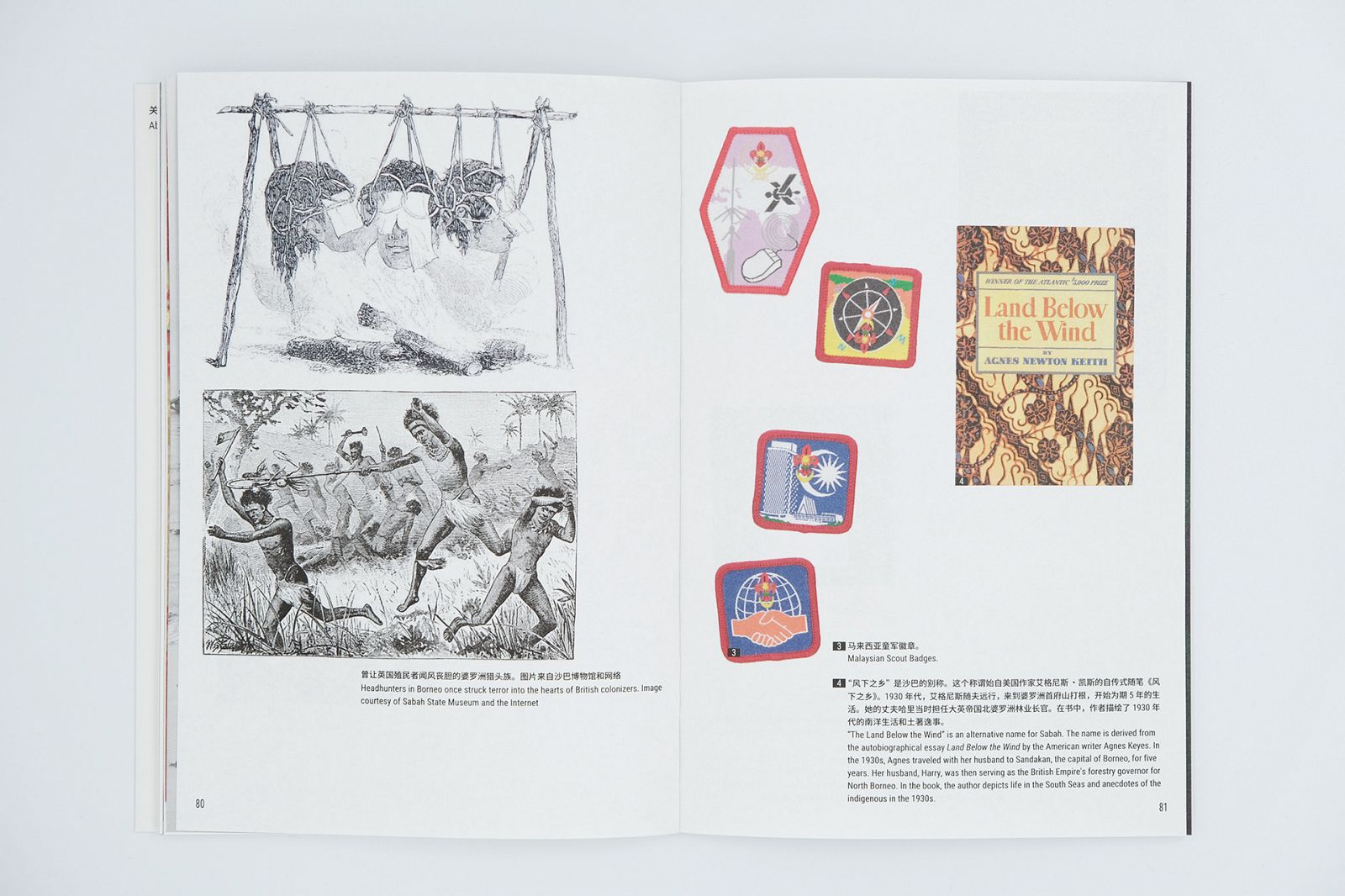
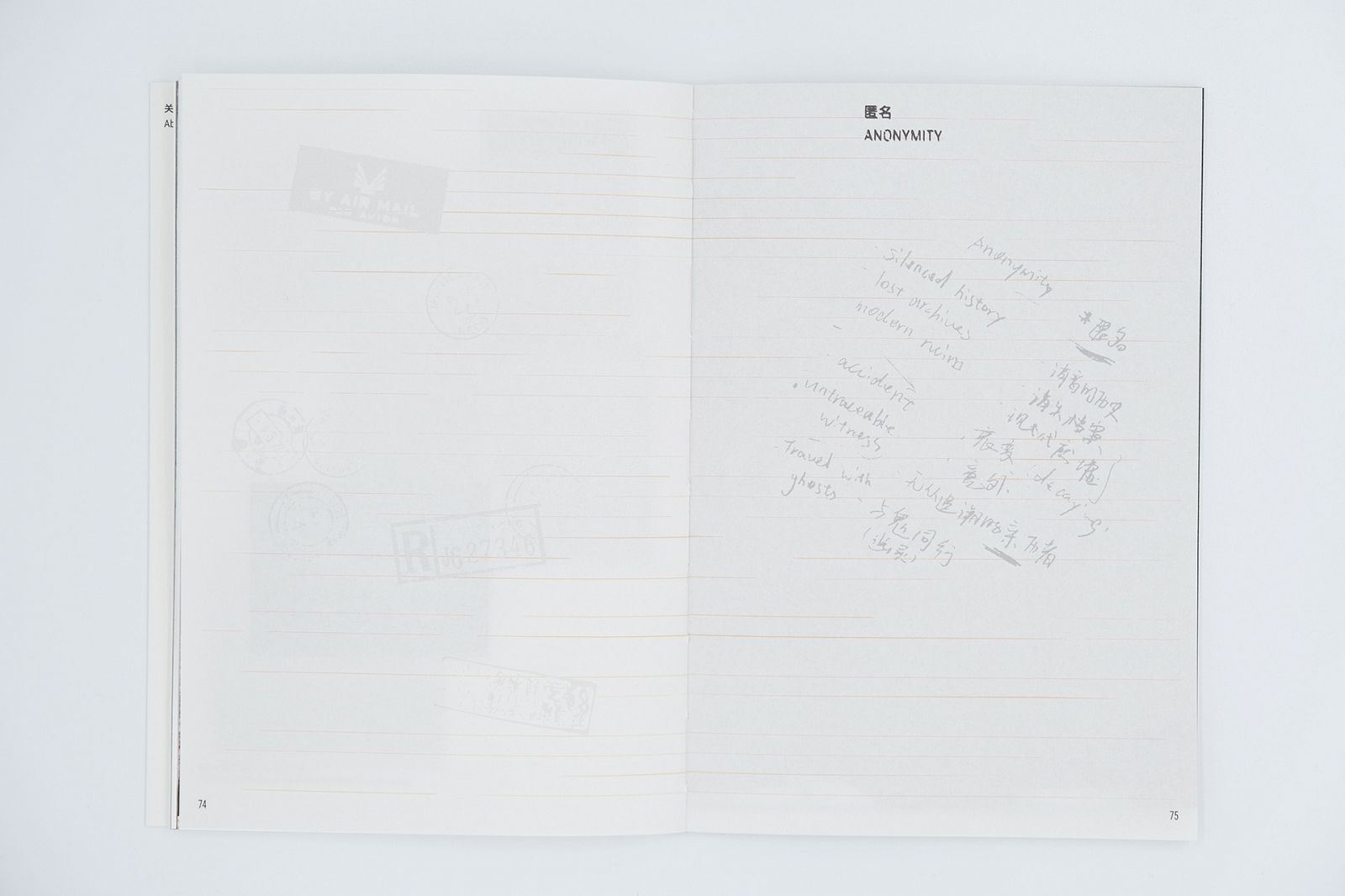
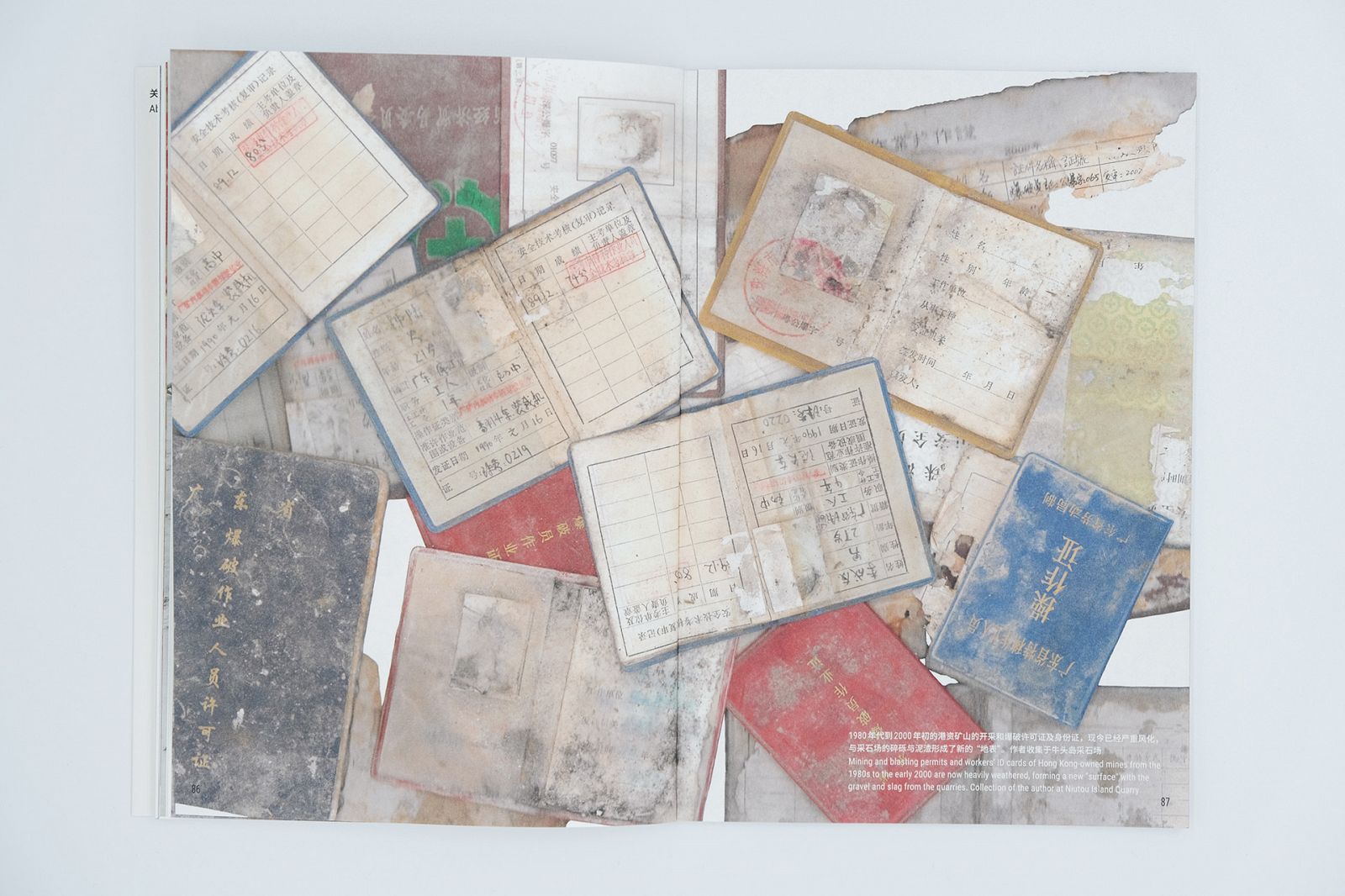
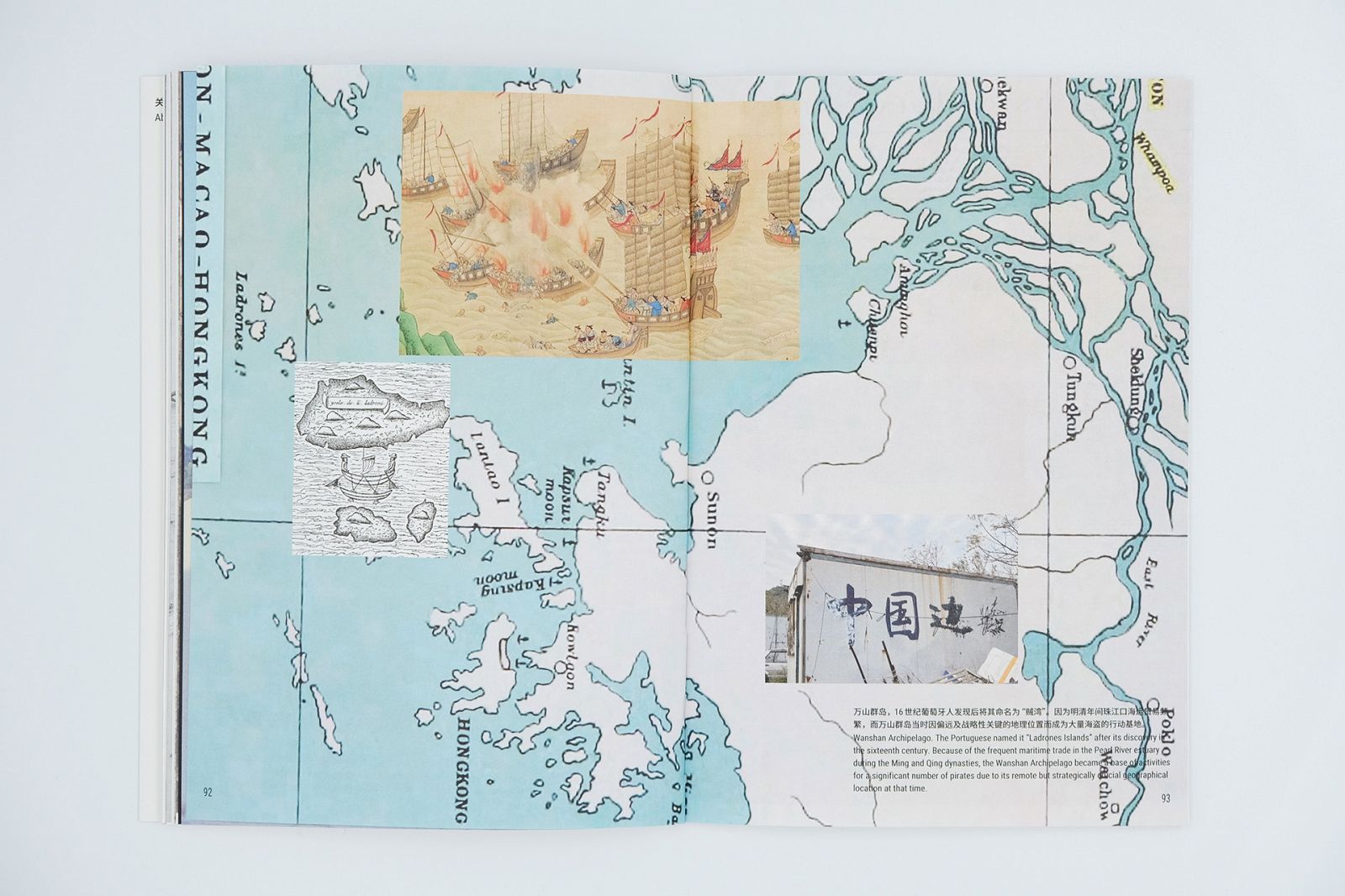
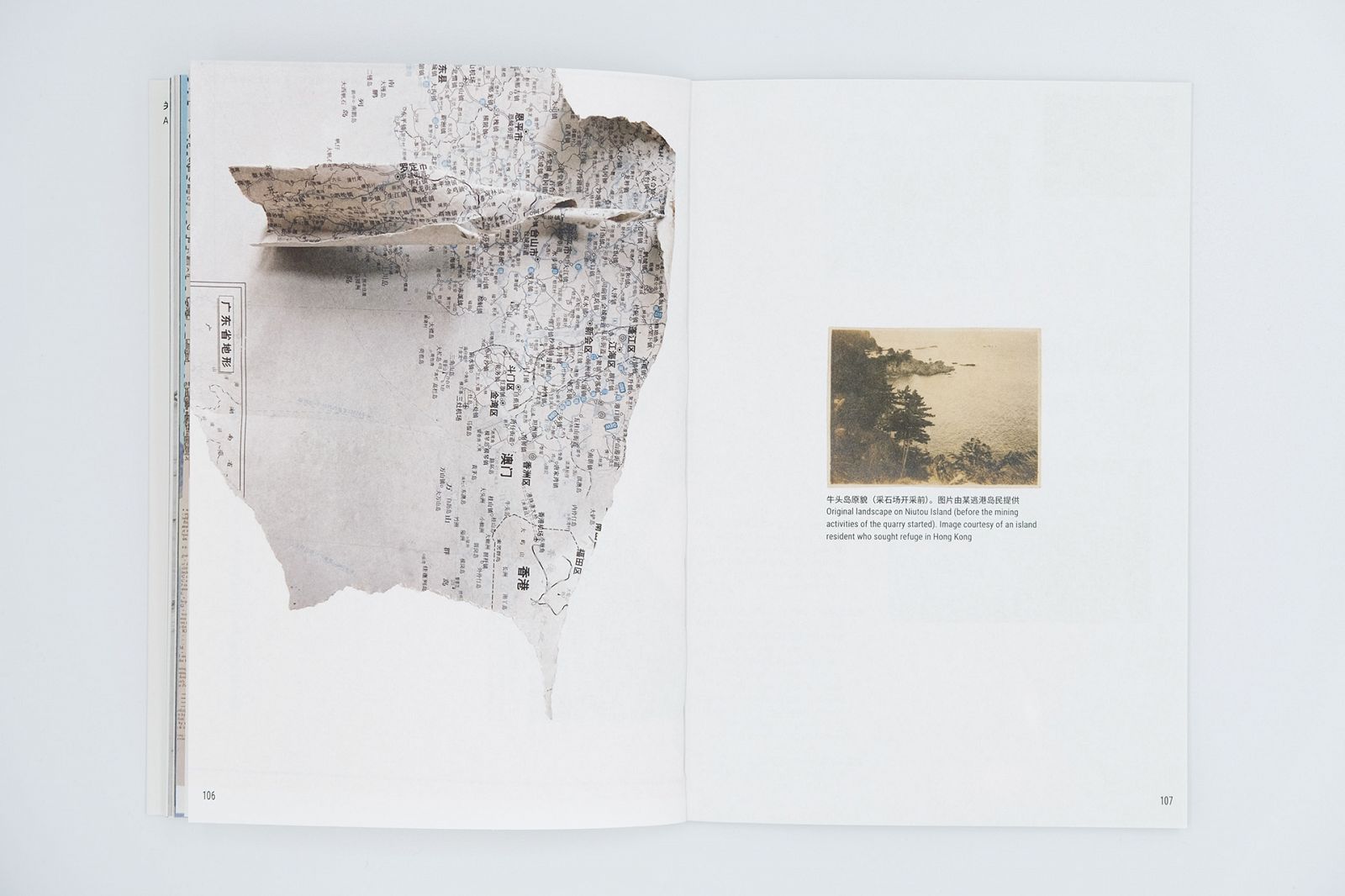
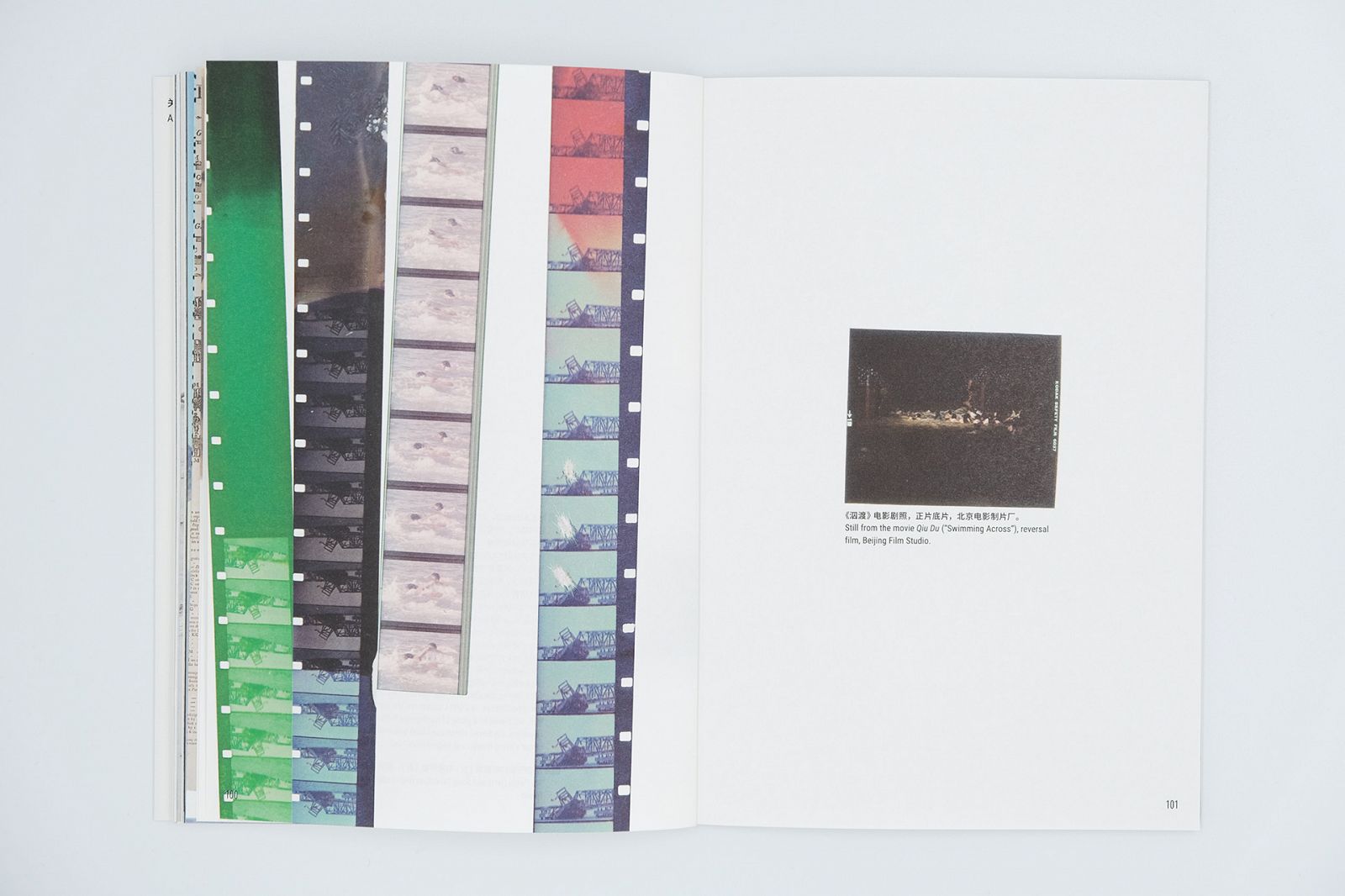
The book is divided into two parts. The first part of the book transcribes and recompiles the narrations in his videos into three sets of juxtaposed scripts. Each of these textual fragments showcases an "anatomical section of an era" from disparate geopolitical contexts: a family letter from Sabah, a set of Rashomonian testimony, and an anecdote about the anonymous. The second part is a notebook-like atlas that unfolds following the clues of three keywords: "Fabrication," "Anonymity," and "Boundary." Within this section, different types ofimages and texts, including factual materials, embodied research and survey records, as well as fabricated documents, interlace with each other. They serve as an interrogation, extension, reconstruction, and reassemblage of three muted histories or events.
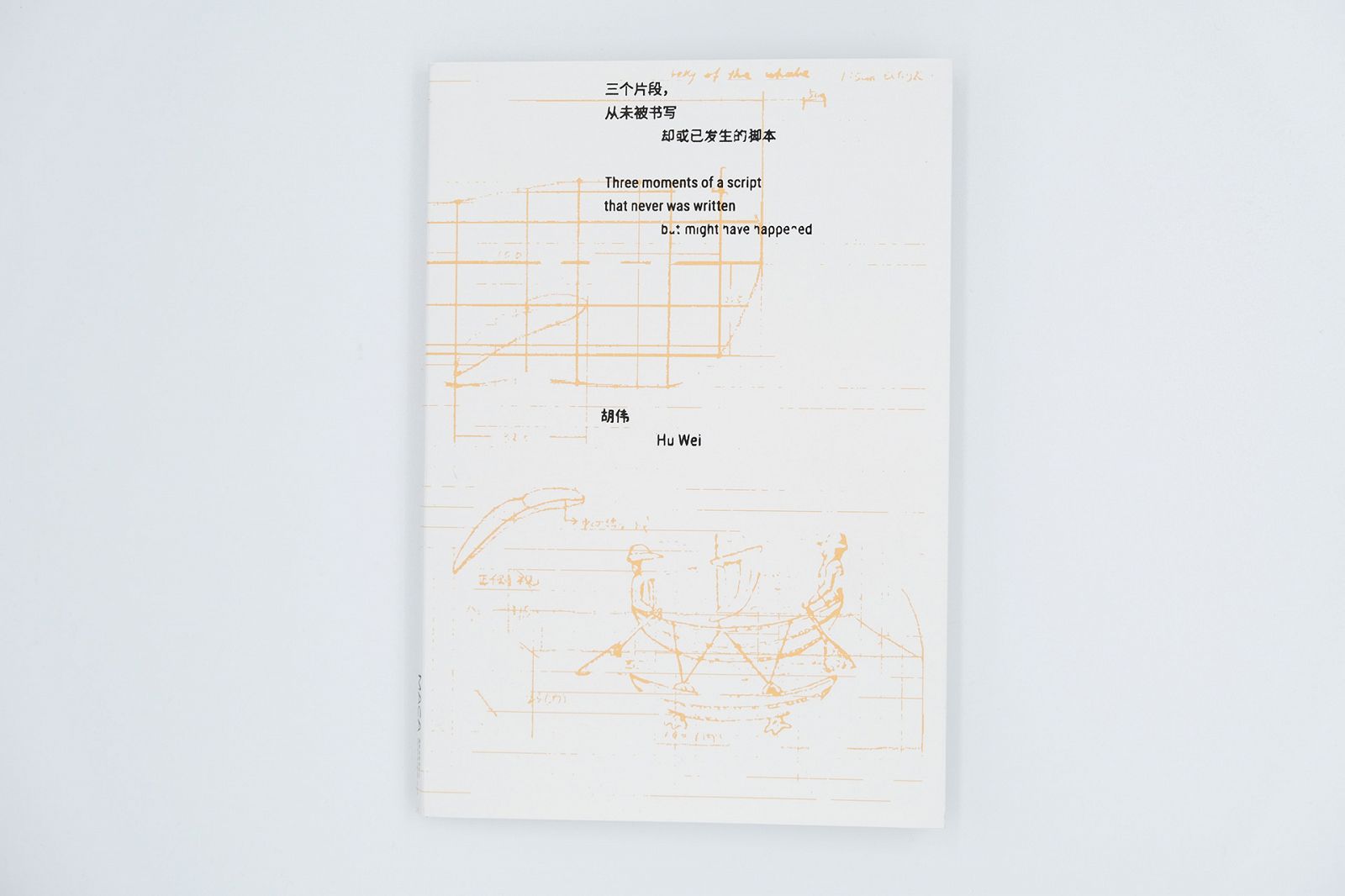
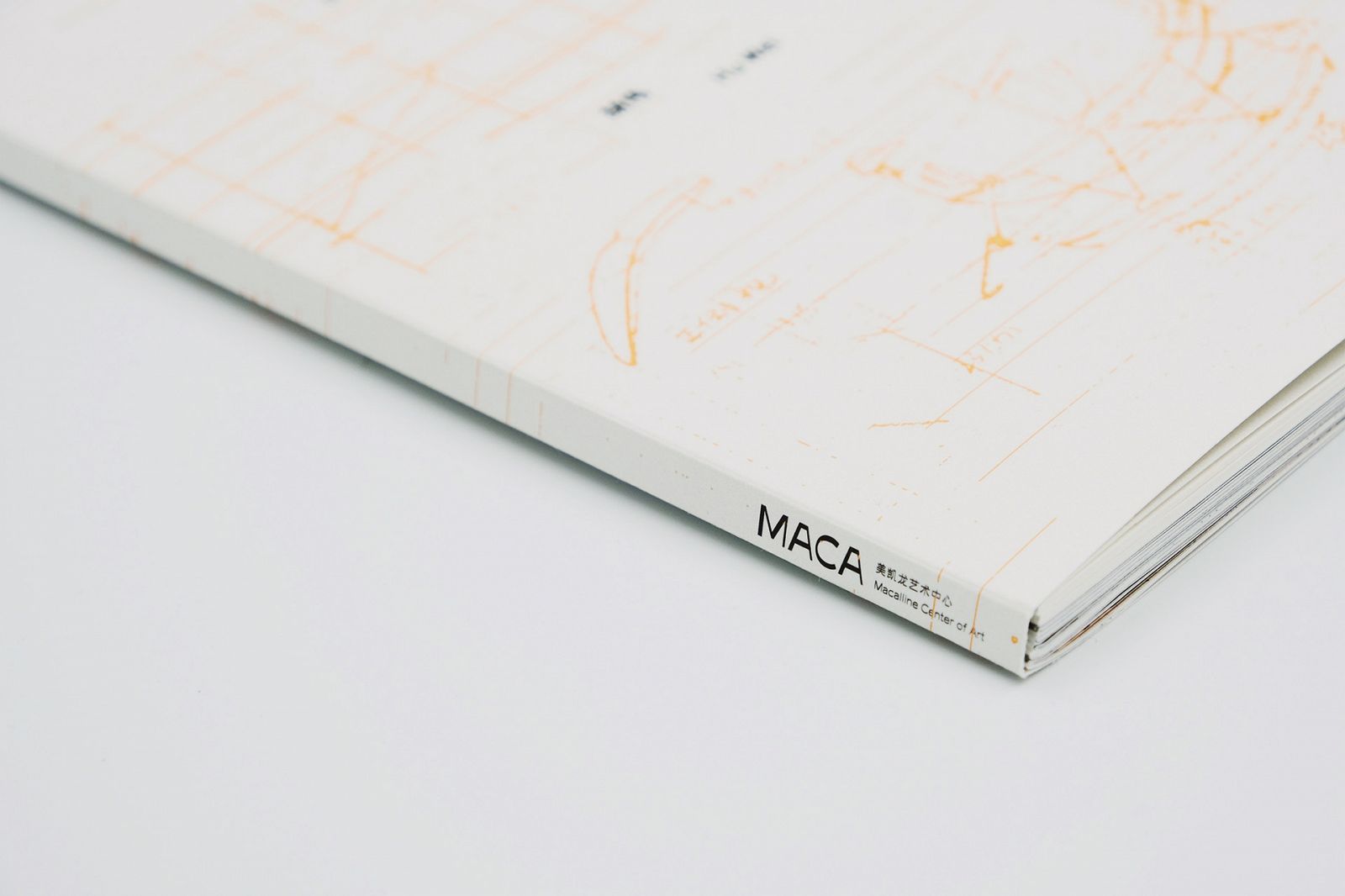
The image on the book cover is a collage of manuscripts drawn during Hu Wei's creative process and the archival materials he collected. It retains the color and hand-drawn traces of the original draft paper. The book's title is stamped in black, and the typography intentionally leaves the text blurred and missing, suggesting the dissolution and receding of time in his video works, resulting in a new state of reconstruction and unfinishedness. The cover's design echoes the book's notion as a handbook and script of the artist's work and the durational nature of thinking. The book is bound in a bareback wire binding, with opposite pages fully expanded and flattened to maximize the reading experience as a "script."