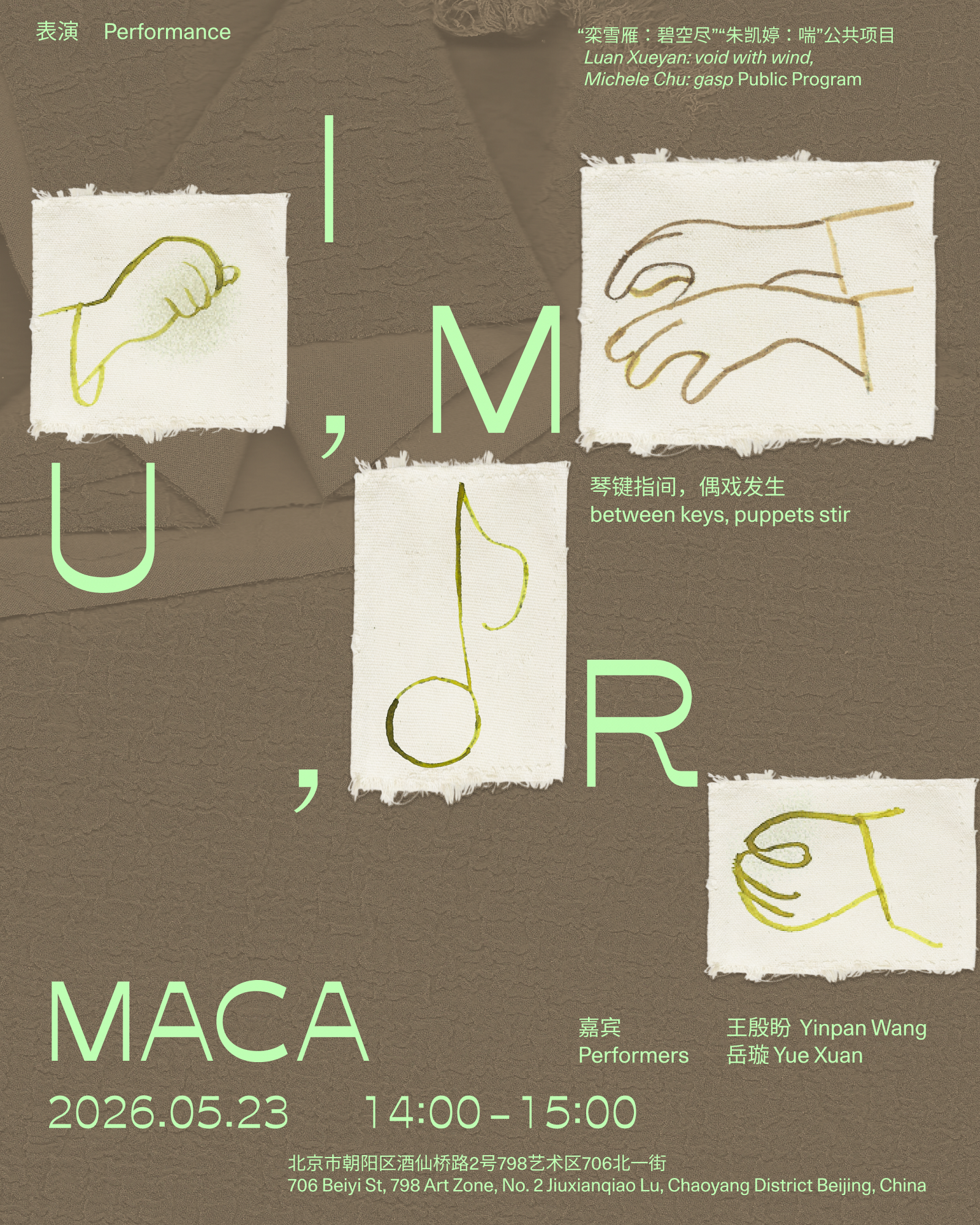
 I, M & U, R
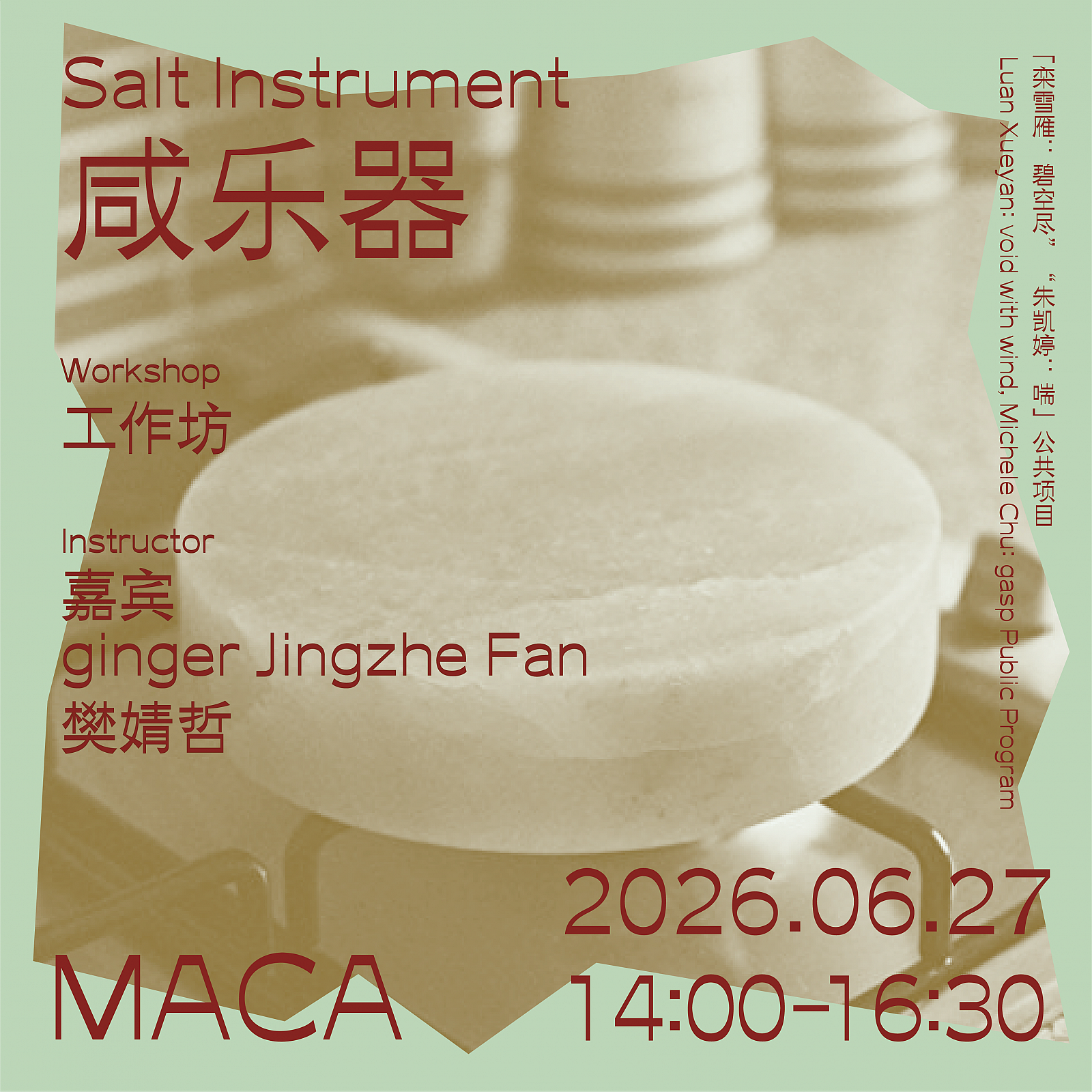
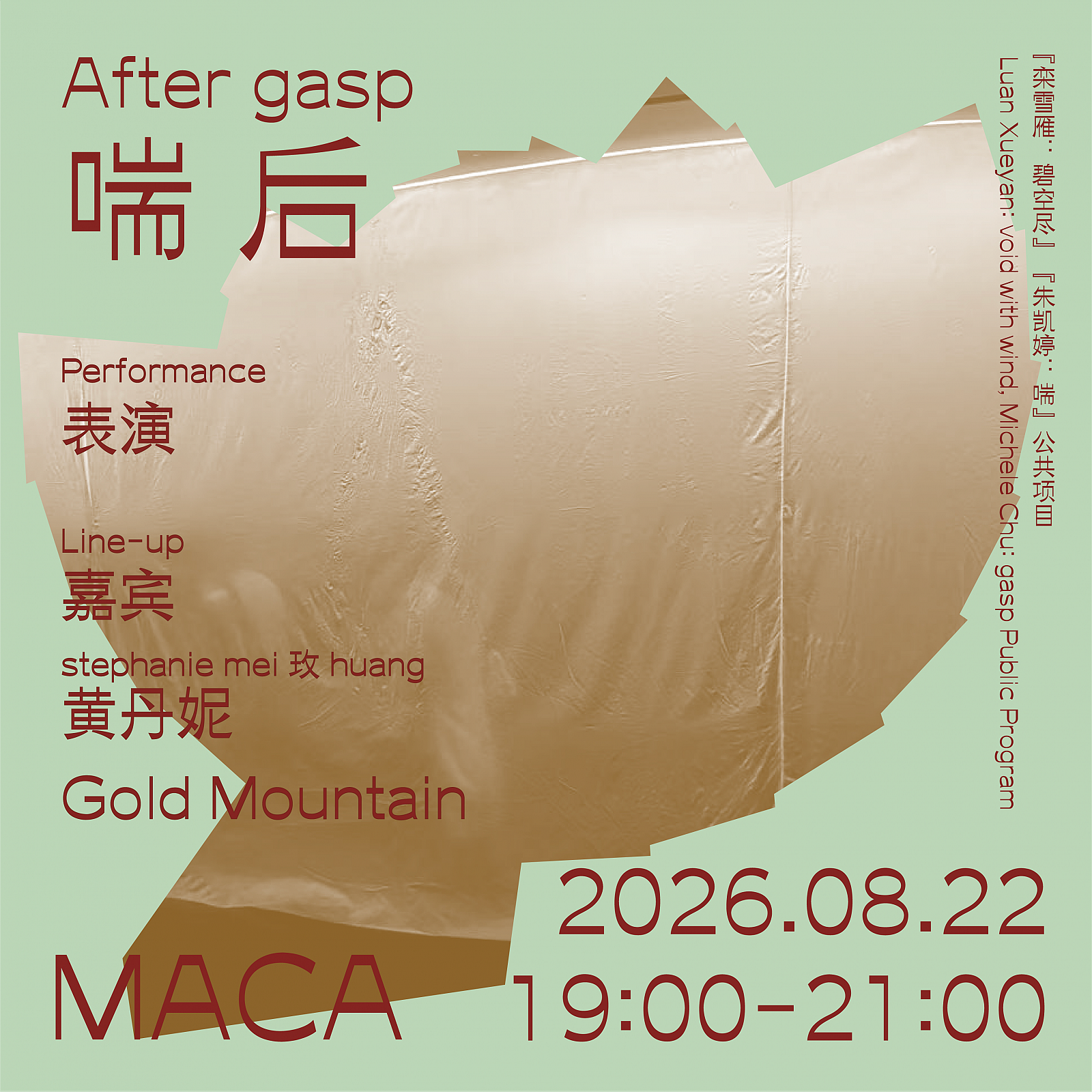
Michele Chu: gasp
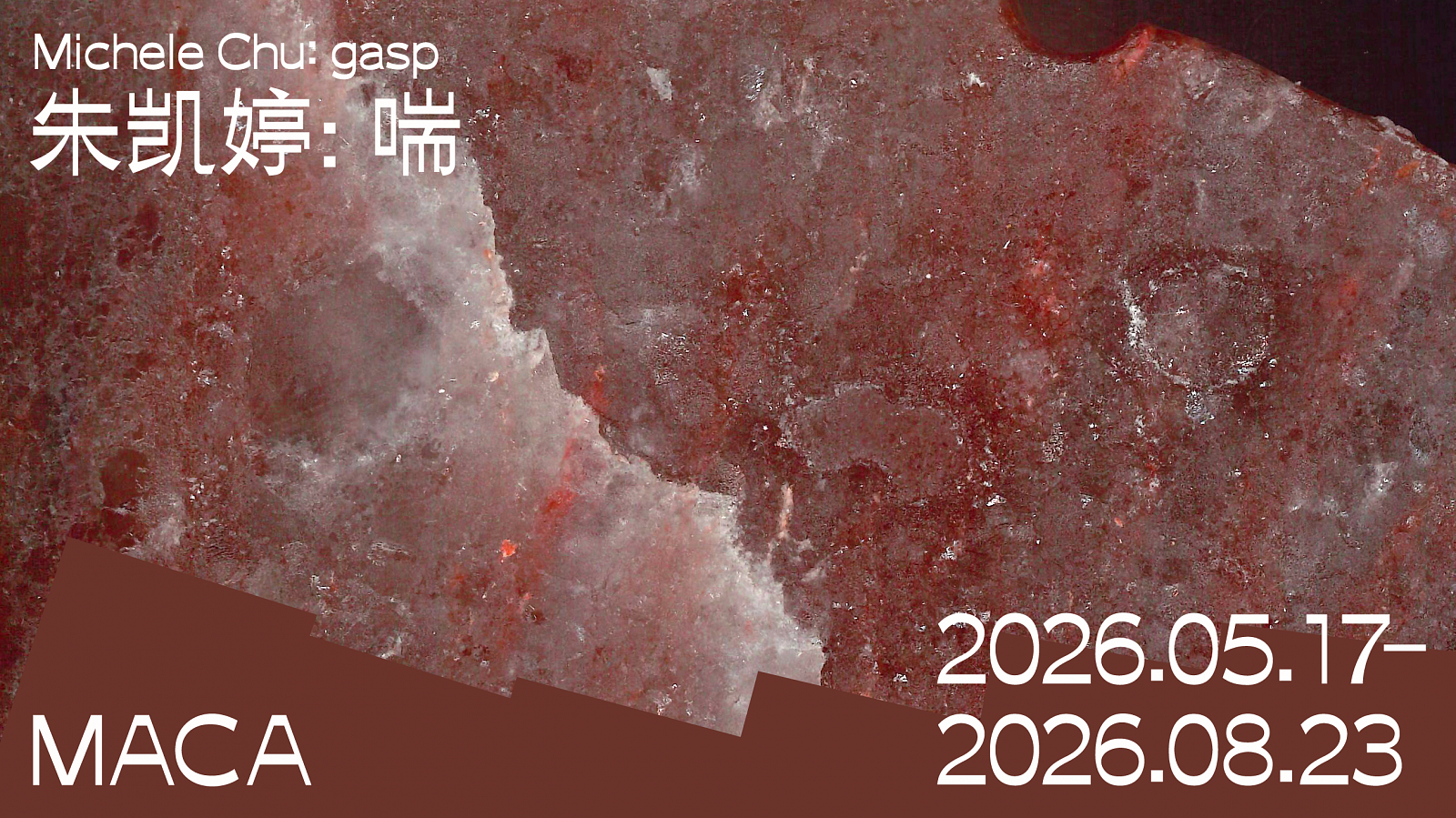
2026.05.17—08.23
Artist: Michele Chu
Curators: Yang Li, Zhou Chu
What is the sound of grief?
The seemingly delicate gasp points to the body's response after intense emotion or physical exertion. This tension between lightness and weight runs throughout the exhibition: salt is materially dense and tangible, carrying within it the trace of tears and the act of preservation, emotion and sound are weightless and formless. Through different forms of salt, gasp constructs a sensory journey from the exterior to the interior, from skin to bone.
In the dimly lit staircase, mass (2026) separates the outside world from the ritual space that the exhibition constructs. As visitors ascend the stairs, the salt curtains fall across the body, landing on the head, shoulders, and back, the weight of salt accumulating with each step and leaving faint white traces on skin and clothing. In the second-floor corridor, the fabric of gasping (2026) has been submerged in saltwater for an extended period. Sea salt crystals have slowly emerged from between the fibres, solidifying into form. Solid dissolves into liquid, then grows back from liquid—a shape left behind by time and osmosis. The visitors circumambulating the corridor form a ritual circuit through a space that alternates between wide and narrow, expanding and contracting like breath, producing a sense of disorientation in the dim light, with no sense of where it leads.
At the end of the corridor, the compressed space opens up into the hall. At the centre is a set of four sound sculptures made from Himalayan salt bricks and nylon fabric, gravestone lullaby i–iv (2026), are built for specific bodily postures: the fetal crouch, or the kneeling bow and the recumbent curl of an infant. Salt functions as both instrument and sonic architecture — the cold, rough surface of the bricks conducting sound directly into the body at the moment of contact, seeping in through the head, the knees, or the ankles depending on how one enters. Sound waves travel along the bones, weaving between muscles and organs. In this triangle of body, sound, and environment, the visitor becomes both vessel and instrument, inseparable from the work itself.
Salt molecules drifting through the air enter the body quietly with each breath, and a faint bitterness may rise in the throat. Sound in this exhibition works the same way: conducted through solid matter, it resonates with the body, reaching every place where emotion has taken shelter. In this immersive space, the artist lays bare personal memory and grief, transforming them into a moment that invites us all to dwell together in loss. gasp, as the last struggle for air, is a sound that travels through the body, arriving before language does.
Michele Chu: gasp is the artist's first institutional solo exhibition in mainland China, co-curated by MACA Associate Curator Yang Li and MACA Assistant Curator Zhou Chu. Special thanks to the Hong Kong Arts Development Council for its support of this exhibition.
About the Artist
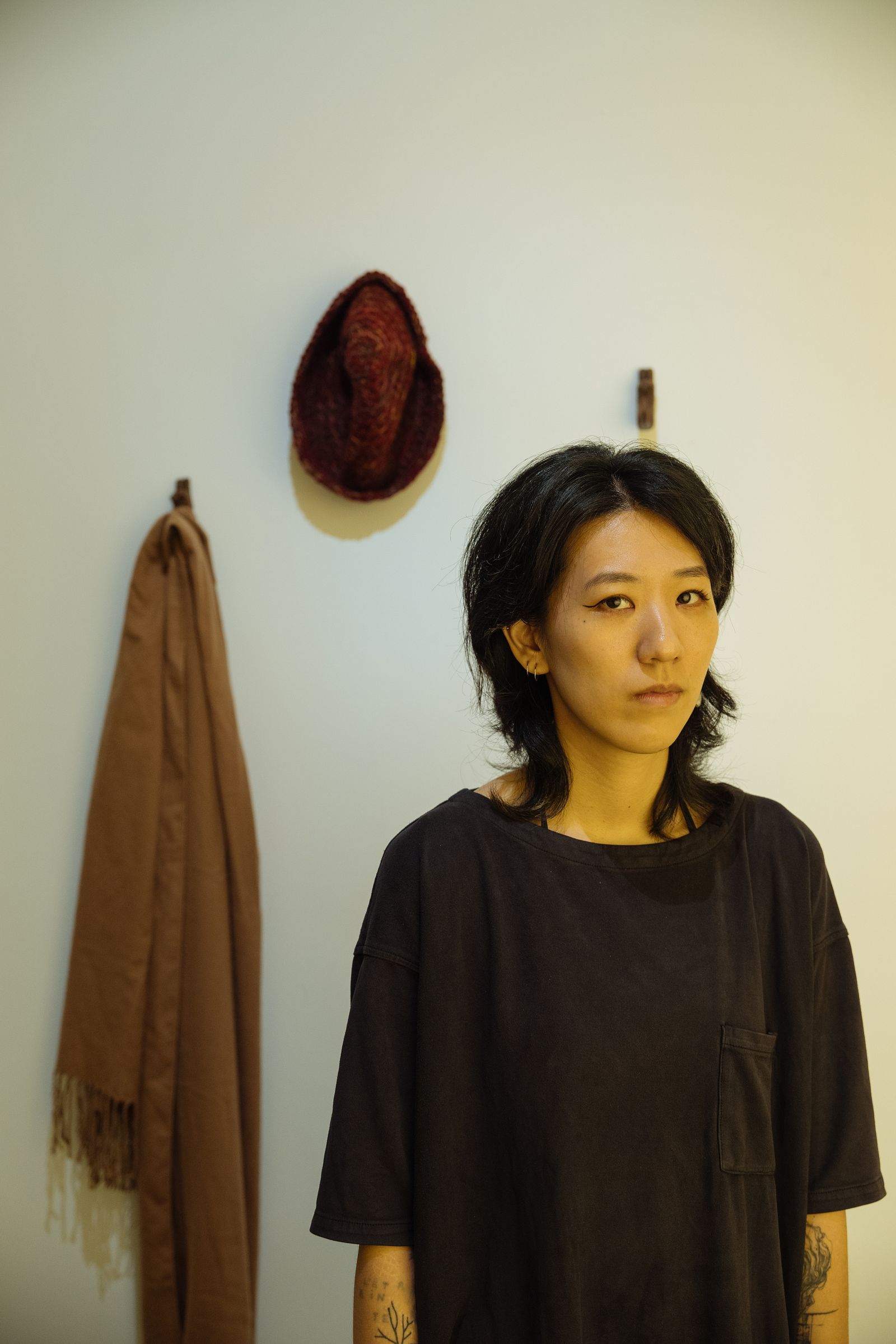
Michele Chu
Michele Chu in her practice explores intimacy and human connection, specifically the interplay between sensory elements and space to amplify emotional connection between individuals. Her works contemplate what makes us human, through mediums like performances, sculptures, multi-sensory installations and public interventions amongst others.
Her work has been shown at 1a Space (Hong Kong); Negative Space (Hong Kong); and Tai Kwun Contemporary (Hong Kong). Her debut solo exhibition at PHD Group, “you, trickling,” was featured in The New York Times, Artforum, ArtReview Asia, Frieze, Ocula, and other publications.
She is a recipient of Soundpocket’s Artist Support Program from 2020-21 and was in residence at London’s Delfina Foundation as part of their “Performance as Process” program in 2023.
About the Curators
Yang Li
Yang Li, MACA Associate Curator and Researcher.
Zhou Chu
Zhou Chu, MACA Assistant Curator and Researcher.
Exhibition Photos
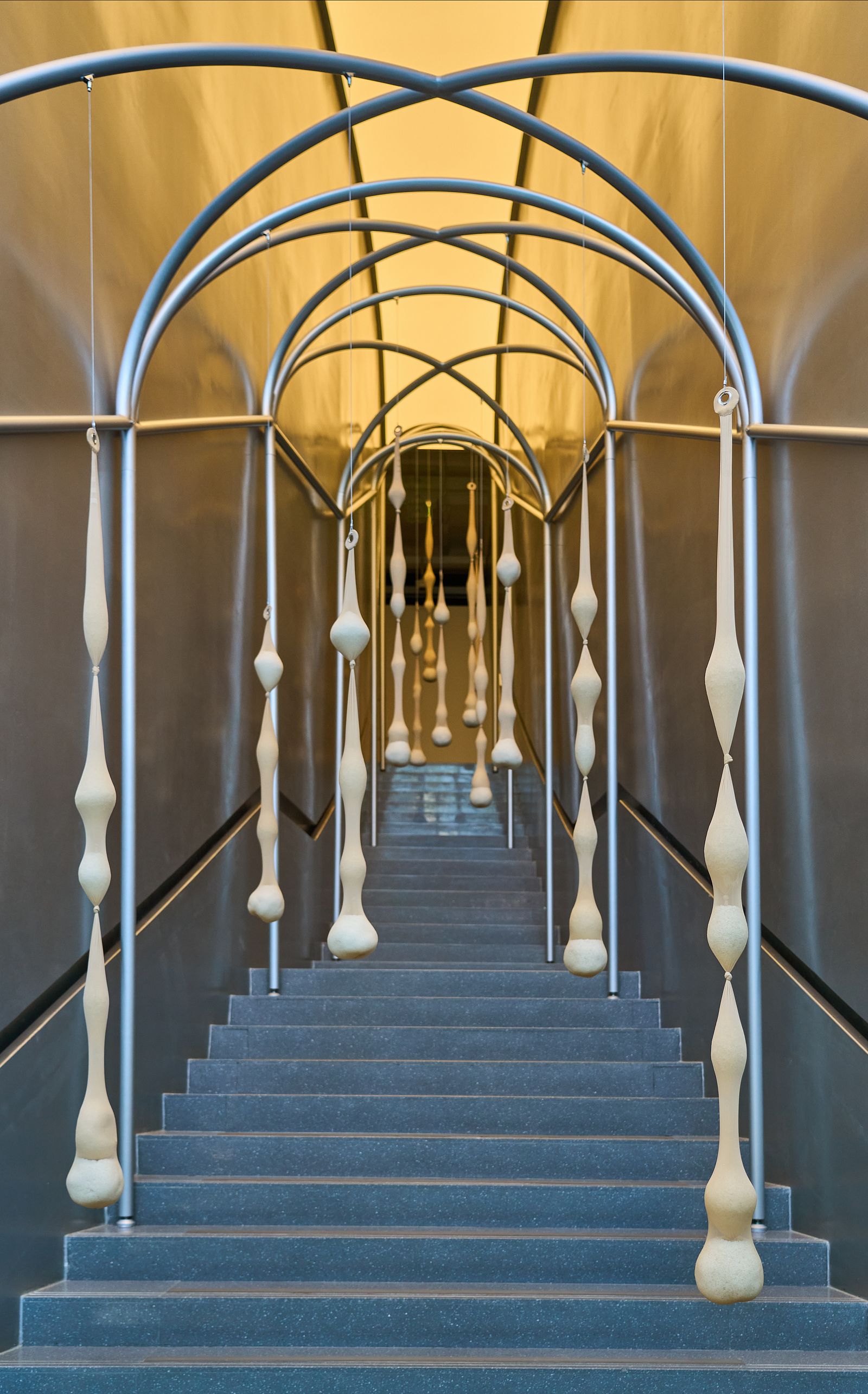
Michele Chu, mass, 2026, salt, nylon fabric, scaffolding, instruction board, dimensions variable. The staircase scaffolding structure was designed by Small Production, supported by MACA Art Center. Michele Chu: gasp, installation view, MACA Art Center, 2026. Photo: Sun Shi
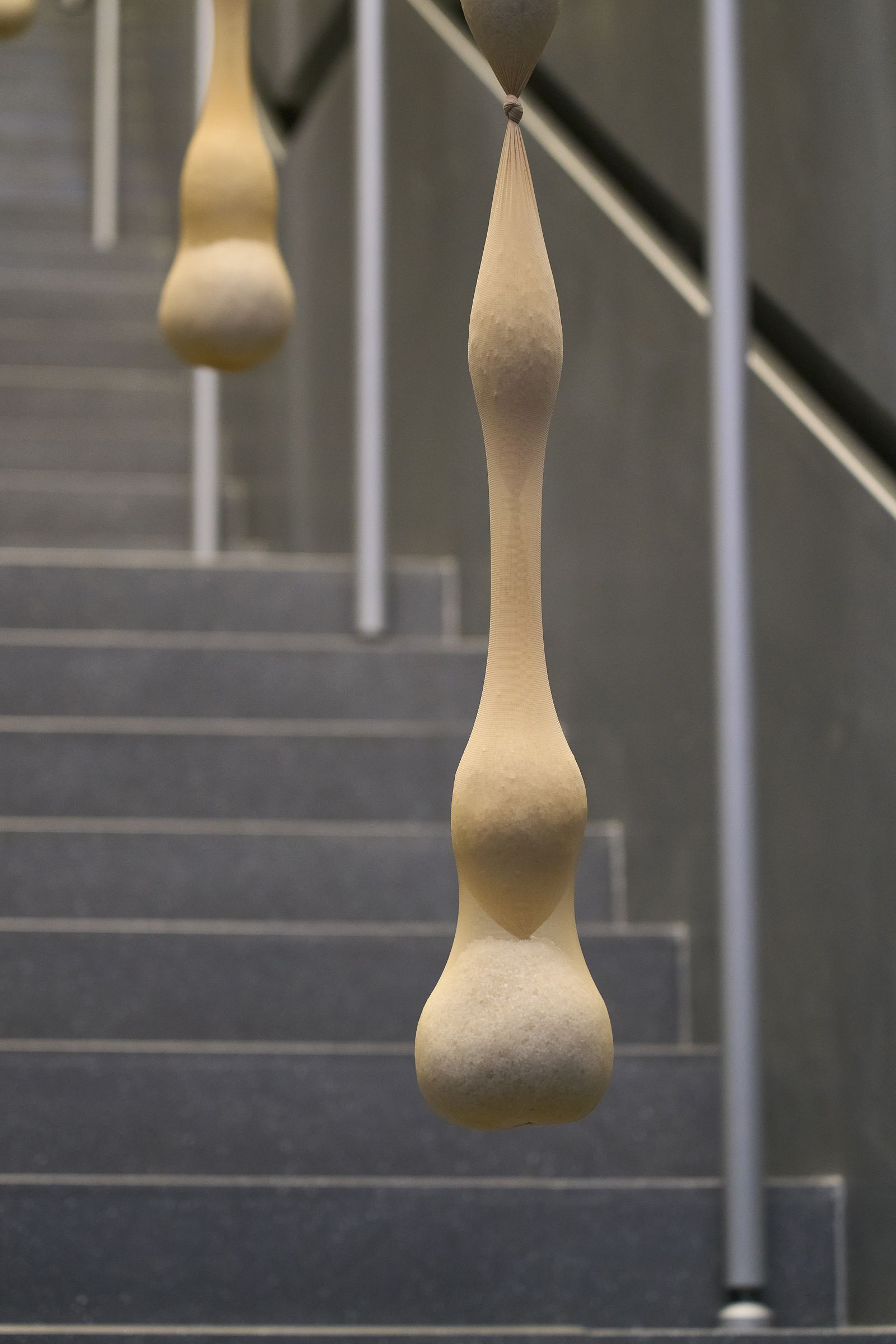
Michele Chu, mass, 2026, salt, nylon fabric, scaffolding, instruction board, dimensions variable. The staircase scaffolding structure was designed by Small Production, supported by MACA Art Center. Michele Chu: gasp, installation view, MACA Art Center, 2026. Photo: Sun Shi
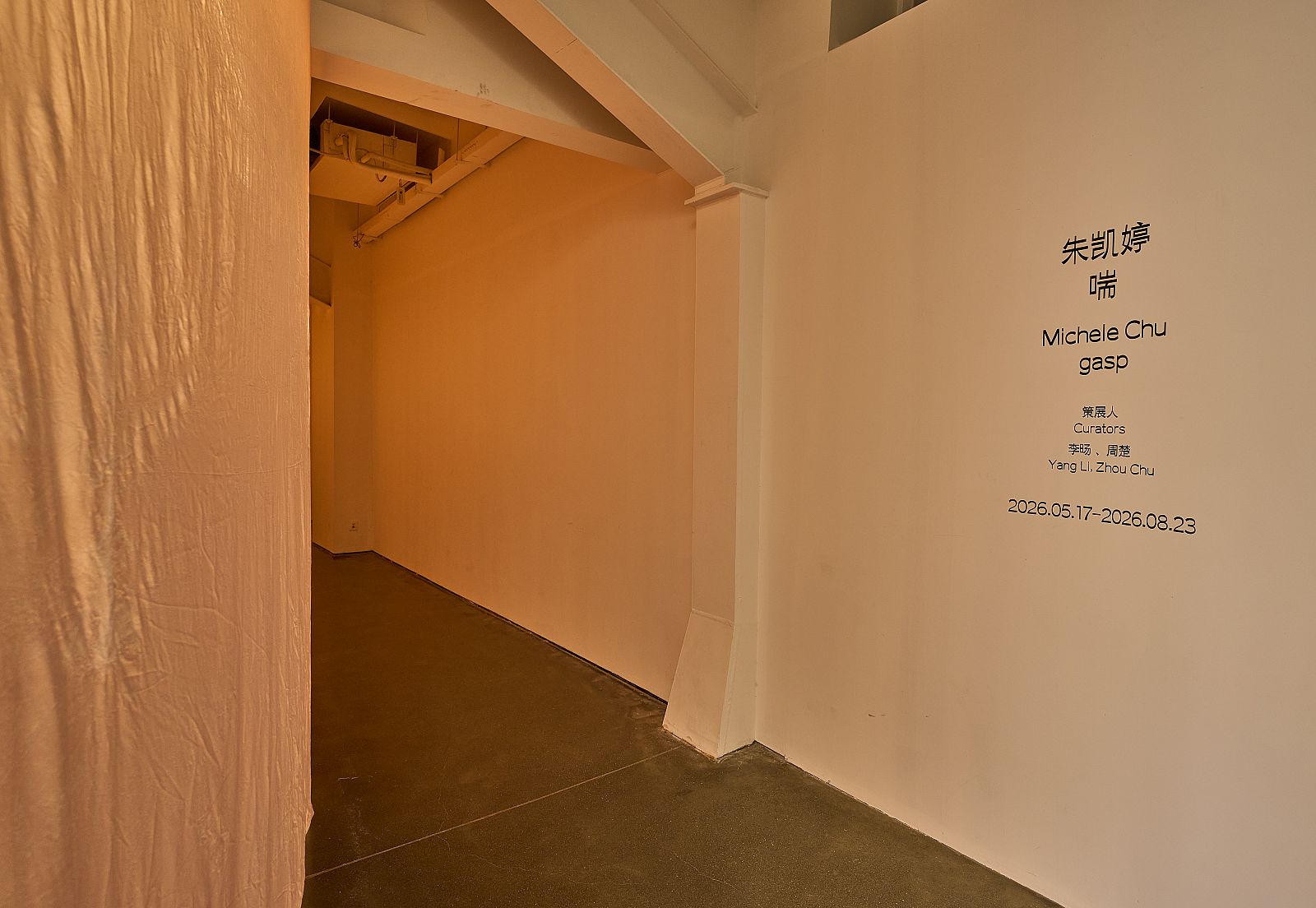
Michele Chu:gasp, installation view, MACA Art Center, 2026. Photo: Sun Shi
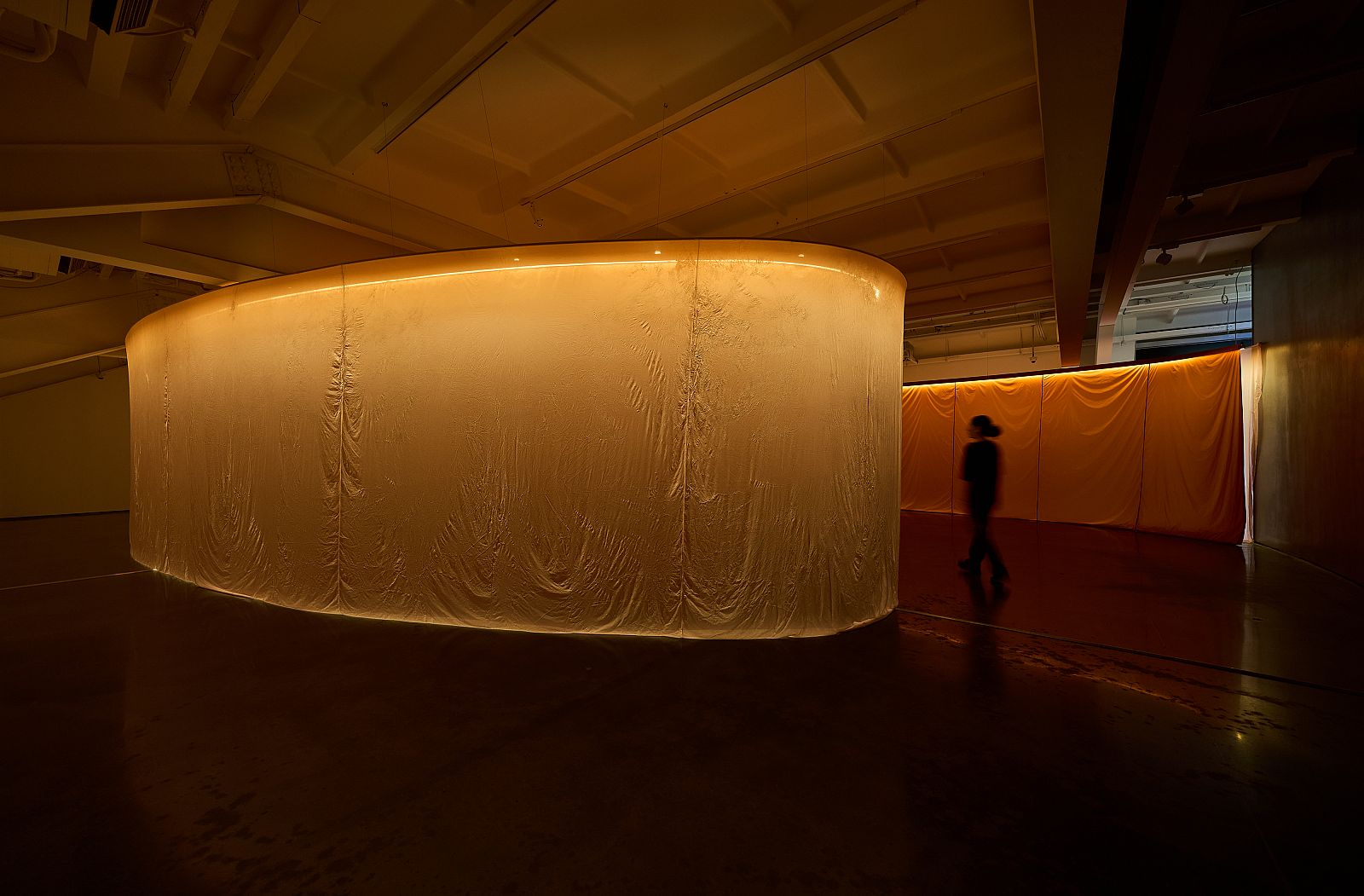
Michele Chu, gasping, 2026, cristalized sea salt, nylon fabric, steel track, instruction board, dimensions variable. Supported by MACA Art Center. Michele Chu: gasp, installation view, MACA Art Center, 2026. Photo: Sun Shi
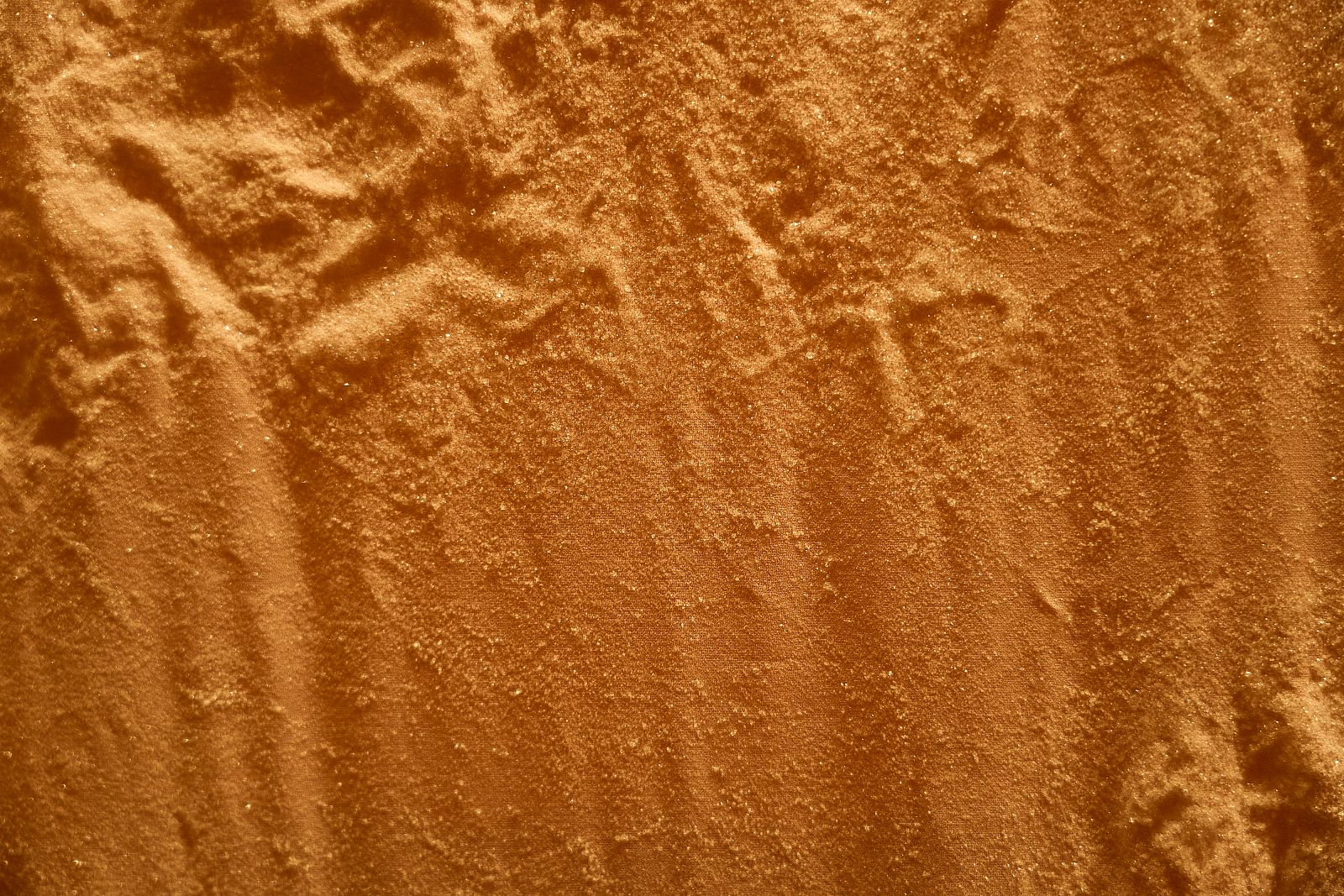
Michele Chu, gasping, 2026, cristalized sea salt, nylon fabric, steel track, instruction board, dimensions variable. Supported by MACA Art Center. Michele Chu: gasp, installation view, MACA Art Center, 2026. Photo: Sun Shi
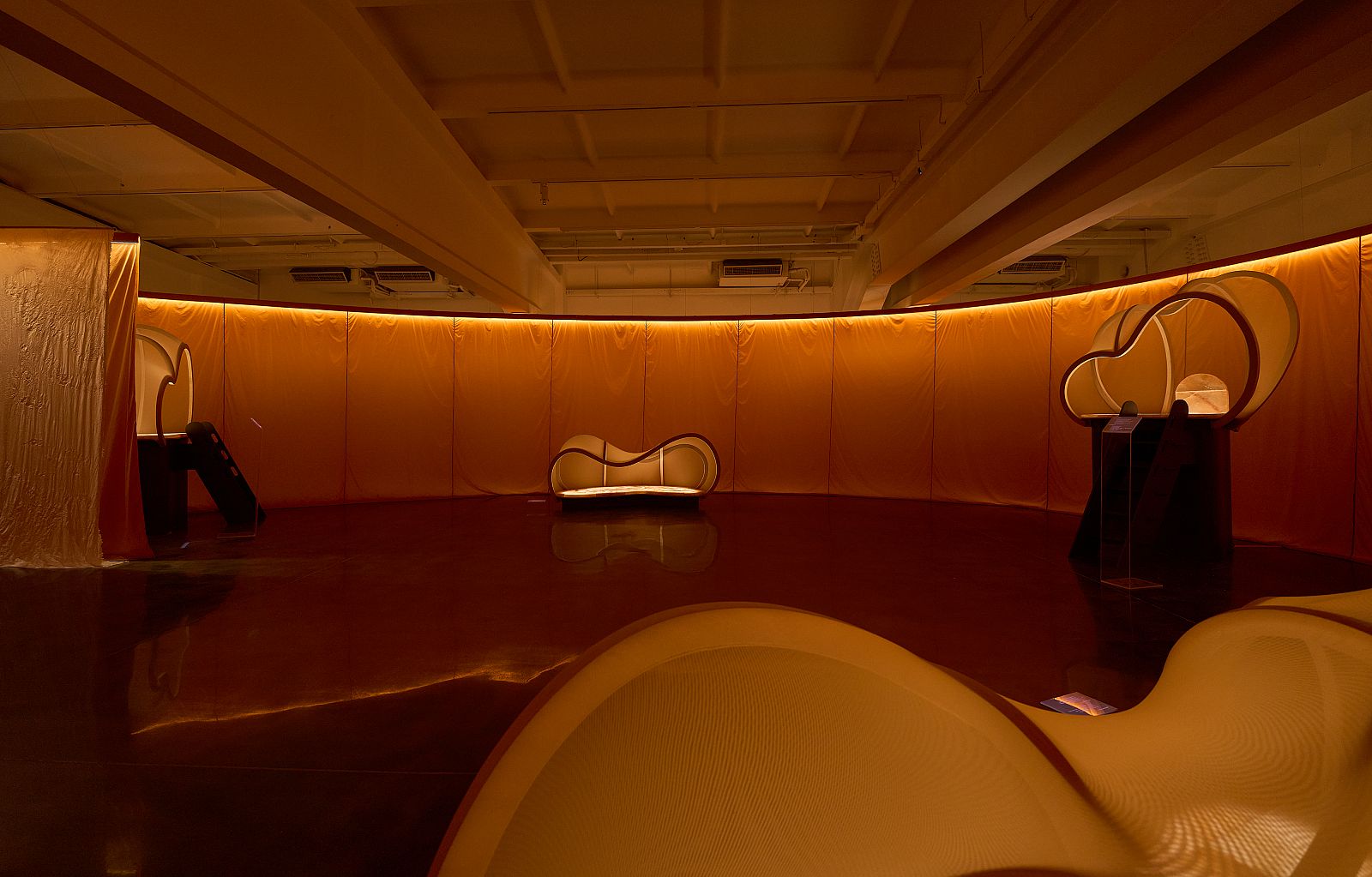
Michele Chu:gasp, installation view, MACA Art Center, 2026. Photo: Sun Shi
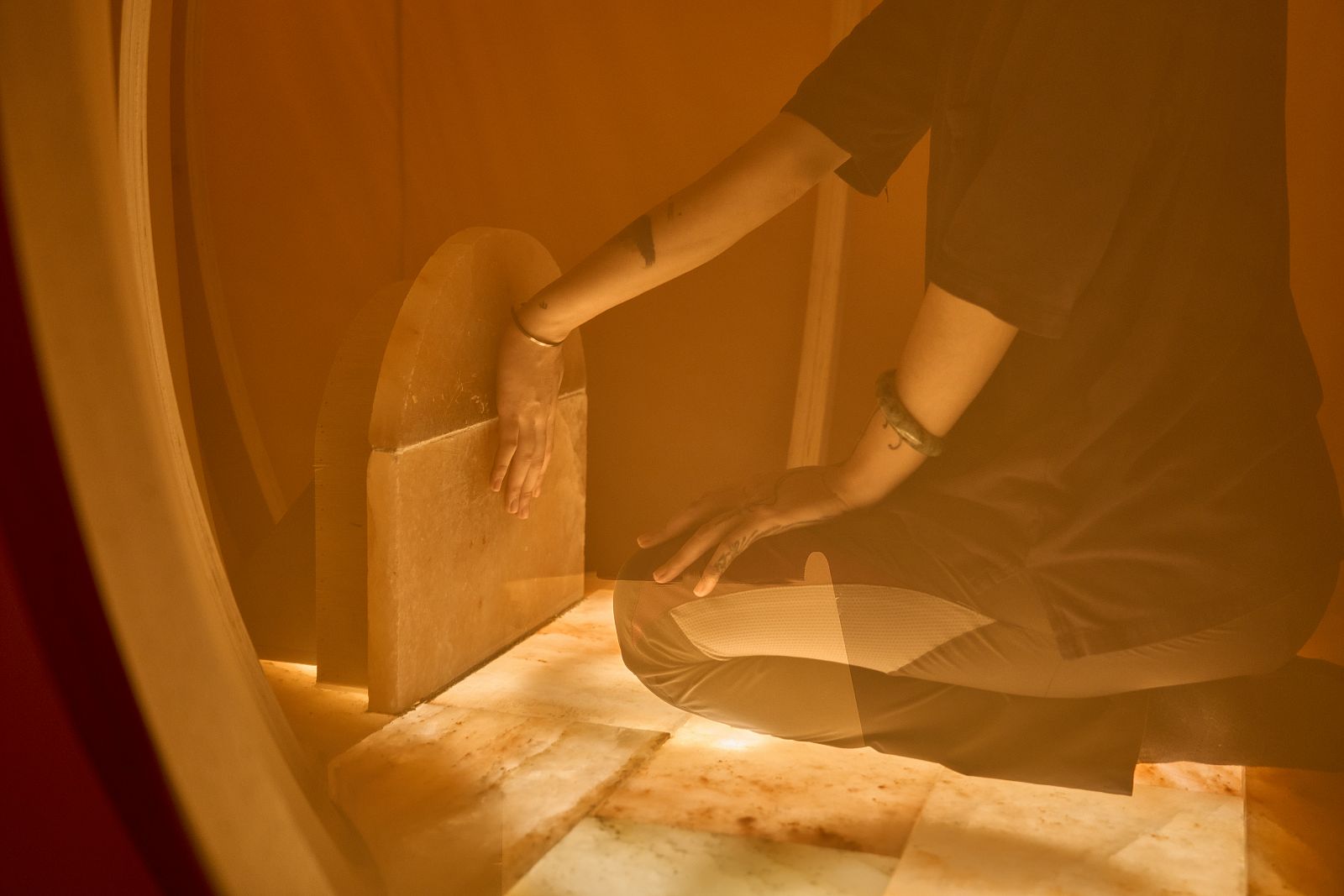
Michele Chu, gravestone lullaby iv, 2026, himalayan salt bricks, nylon fabric, wood frames, subwoofers, amplifier, LED lights, instruction board, 190×163×220 cm. The sculptural structure for gravestone lullaby i-iv was developed in collaboration with Small Production, supported by MACA Art Center. Michele Chu: gasp, installation view, MACA Art Center, 2026. Photo: Sun Shi
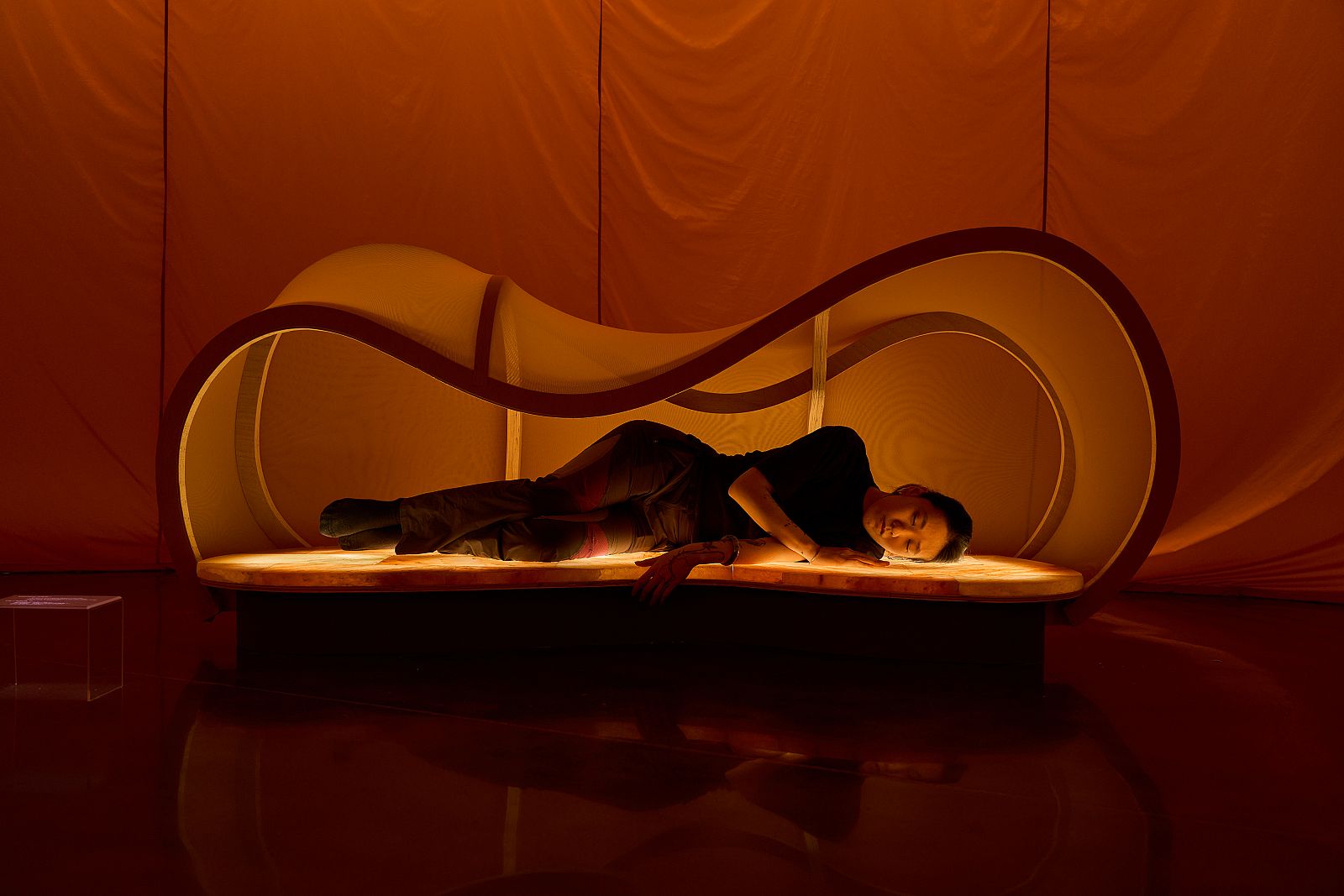
Michele Chu, gravestone lullaby i, 2026, himalayan salt bricks, nylon fabric, wood frames, subwoofers, amplifier, LED lights, instruction board, 90×230×100 cm. The sculptural structure for gravestone lullaby i-iv was developed in collaboration with Small Production, supported by MACA Art Center. Michele Chu: gasp, installation view, MACA Art Center, 2026. Photo: Sun Shi
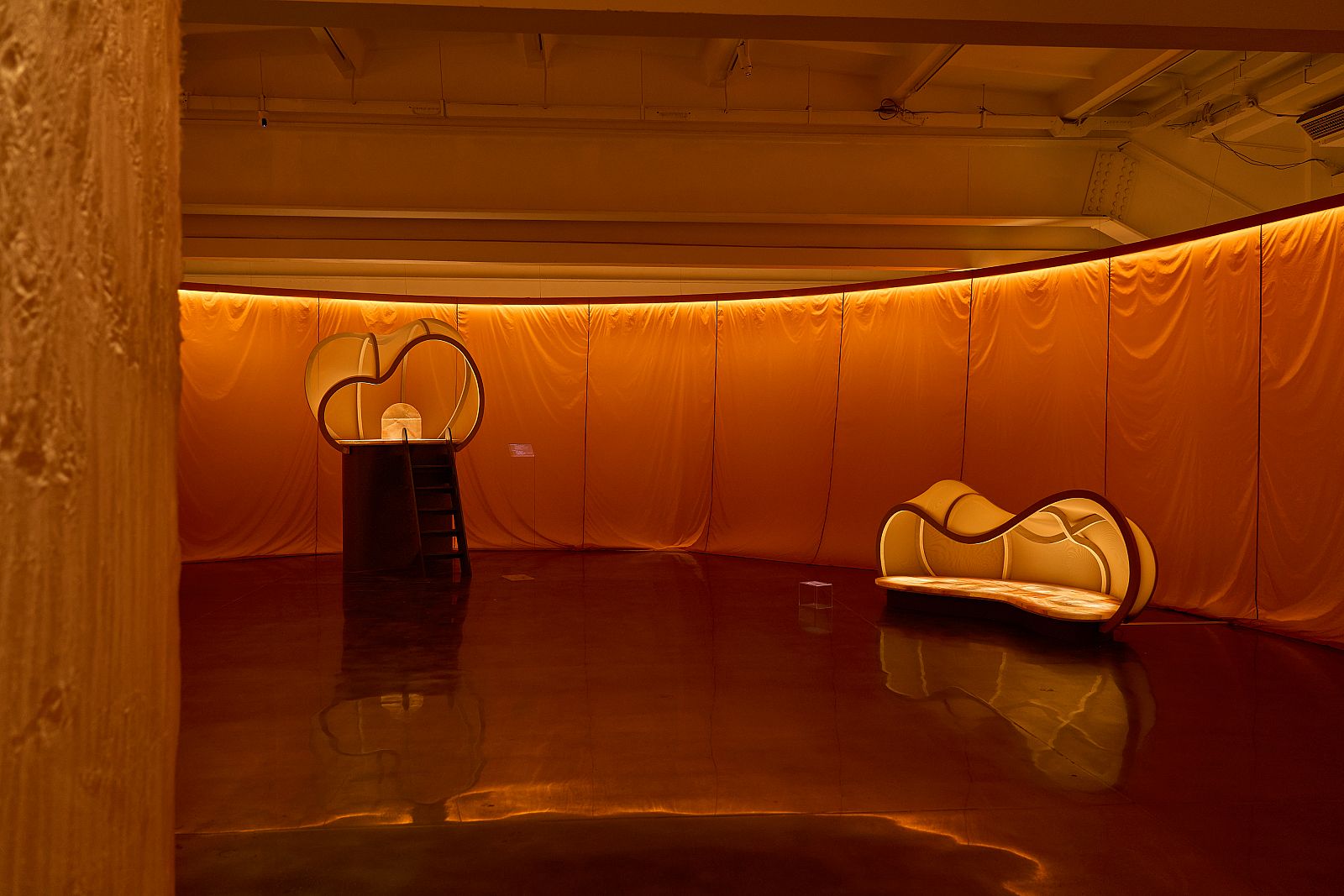
Michele Chu:gasp, installation view, MACA Art Center, 2026. Photo: Sun Shi
←
1
/
9
→