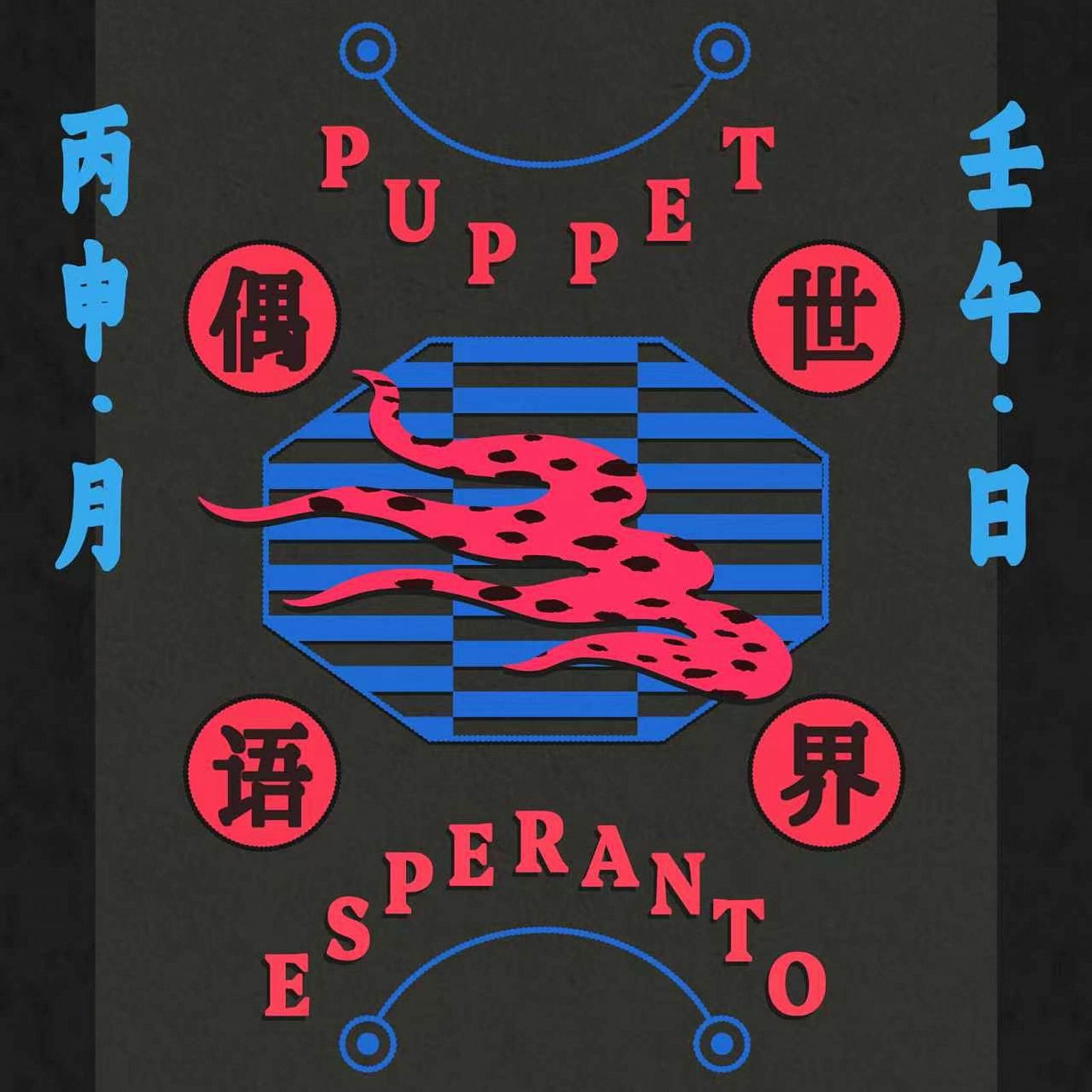
 Puppet Esperanto
Planetary Navigation: As Above, So Below
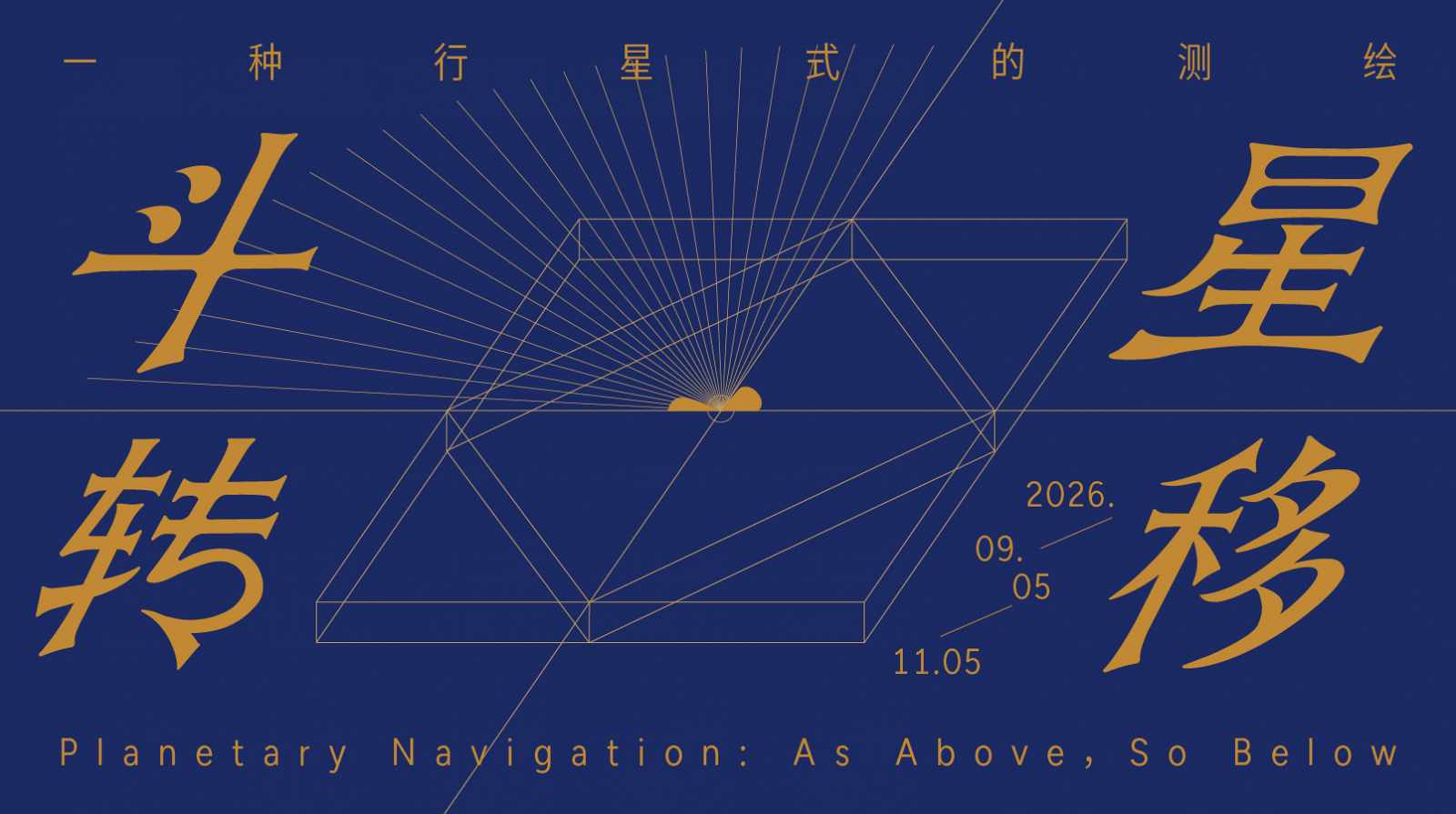
2026.09.05—11.05
Artists: Chen Yiqing, Chen Yifei, Cui Yuxuan, He Haonan, Lauren Huret, Li Chenchi, Hunter Longe, Lu Wenhui, Cherry Song, Yang Xin & Yang Yingmei, Zhan Youbing, Zhao Yanxian, Zhao Yueting & Will Xie
Curators: He Yining, Long Yitang
Cartography is no longer just about geography; today, it is largely dictated by algorithms and data, often reducing lived experiences to mere digital coordinates. Yet, against this tide of abstraction, a distinct group of creators is looking back to older, more tactile ways of wayfinding. Navigating by the stars and the earth, they step away from the safety of familiar ports. They head into the field, the ruins, and the distant horizons, refusing to be pinned down by shifting digital maps. They remind us of an ancient, embodied practice: looking to the heavens to understand our place on the ground.
The eleven groups of creators in the 5th Sailors Program, alongside two invited Swiss artists, embody this spirit of contemporary voyaging. Some move from the fabric of Beijing's hutongs to the deep mountains of Yunnan, from the island isolation of St. Helena into the worker archives of transnational renewable-energy supply chains, salvaging the memory of labor from the stitches of their forebears, and gazing at the weight of aging in surveillance footage of the elderly. Their routes are each distinct, yet they share a single star chart—within the concrete ground of fieldwork, they recover those coordinates scattered by the tide of the times, still glimmering faintly.
Structurally, the exhibition borrows from traditional Chinese astronomy, using the Big Dipper (Beidou) and the South Dipper (Nandou) as curatorial anchors to explore the tension between concealment and continuity. Traditionally, the Big Dipper governs solemnity and passing. Here, it guides us through submerged historical strata—war ruins, colonial scars, diasporic labor, and sealed archives. Like night watchmen, artists salvage traces of obliteration devoured by time—in the solitude of St. Helena, in the secret drawings and migration archives of WWII POW camps, and across trans-Eurasian industrial landscapes and worker memories.
In contrast, the South Dipper governs life and expansion. This section of the exhibition pulses with local resilience and ecological vitality. It highlights the ancient wisdom of plants, the sacredness of bee trees in Yunnan, vernacular design in urban alleys, and the intimate reweaving of companionship in an aging society. Here, we witness the wild, untamed wisdom that grows from the soil and the time stitched together across generations.
Bridging these two realms are the "companion stars" of technology, media, and public participation. Rather than treating technology as a cold, calculating force, the exhibition reclaims it as an empathetic star-bridge between past and future. The warmth of each stitch on white cloth becomes a testimony spanning generations; a field recording breathes life back into the vanished sounds of labor. Through images, sounds, and physical presence, private pain is translated into collective healing.
While we live in a time obsessed with quantification, much of human existence resists being measured. By turning the MACA Art Center into a temporary "observatory," this exhibition invites visitors to become navigators themselves. Caught between the historical weight of the Big Dipper and the vital pulse of the South Dipper, we are asked to recalibrate our own internal maps and reconnect with a more grounded, planetary wisdom.
This exhibition is co-organized by the One Way Street Foundation and MACA Art Center.
About the Curators
He Yining
He Yining is a curator and researcher based in China. Her curatorial and research practice focuses on the entanglement of philosophy of technology, media ecology, and global contemporary photographic and video art practices; the bridging of historical ruptures, the "repair" of obscured historical narratives, and the construction of localised narratives within the context of Chinese contemporary art; and the agency of Chinese artistic practices in reconfiguring global postcolonial discourse.
She is the founder of two journals, Floating Island and Starlight. Her written, edited, and co-authored publications include The Routledge Companion to Photography, Representation, and Social Justice, The Adobe of Anamnesis, The Routledge Companion to Photography and Visual Studies, The British Photography Classroom, and The Ports and Images series, among over twenty other works. Her current doctoral research focuses on decolonial practices in contemporary Chinese art, examining the connections between artists' personal experiences, semi-colonial legacies, and global decolonial discourse.
He Yining has curated major group exhibitions in China and Europe, including Imaging the Future, China Imagined, Between Mountains, Hills, and Lakes, The Adobe of Anamnesis, and Ports and Images. She served as co-curator for the FORMAT International Photography Festival (2027), the Guangzhou Image Triennial (2025), the 8th Singapore International Photography Festival (2022), and the 3rd Beijing International Photography Biennial (2018). She was the winner of the OCAT Research Centre's inaugural 2018 research-based exhibition curatorial plan and received a nomination for the 14th AAC Art China Curator of the Year Award for her exhibition The Adobe of Anamnesis.
Yining co-founded the Decolonial Being Network – a transnational actant network of artists, researchers, curators, and cultural practitioners committed to revealing and communicating the pervasive coloniality embedded in contemporary being(s) while envisioning a decolonial future.
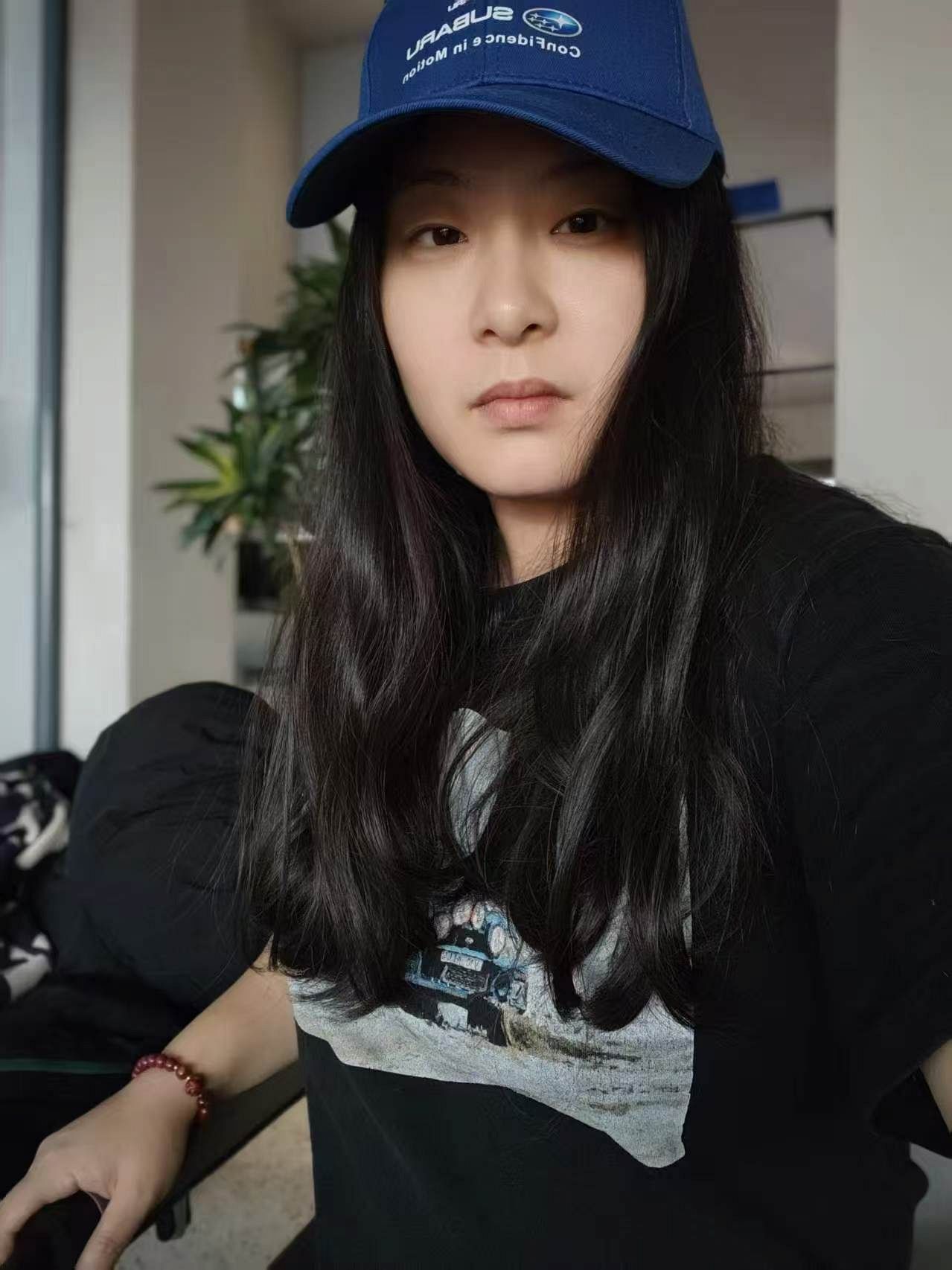
Long Yitang
Long Yitang is a curator and writer. Born in Shaoshan in 1992, he received his bachelor's degree in Arts Management from Xiamen University in 2014 and his master's degree in Curating from the China Academy of Art in 2021. He is a member of the curatorial team for the 15th Shanghai Biennale in 2025. His current research focuses on self-organization, communality, and on-site curating. In recent years, he has organized and curated multiple projects—including exhibitions, walks, and research—based in Southeast coastal regions and river basins, addressing mobile historical geographies and environmental media. He was selected as a fellow of the One-Way Street Foundation's 4th Sailor Program for his project Modeling the Marginal Seas.
In 2015, he co-founded the AXIS Art Project, which received the Young Curator Award from the Power Station of Art in Shanghai in 2016. That same year, he established the independent space 404 Not Found Lab and organized the Houtian Negotiation Group, carrying out a series of community-theater art practices in Xiamen. Since 2017, he has participated in the Gazetteer-Novel project, curating multiple residencies, exhibitions, and workshops.
Beyond curating, he explores alternative forms of connection through writing.
Exhibition Photos
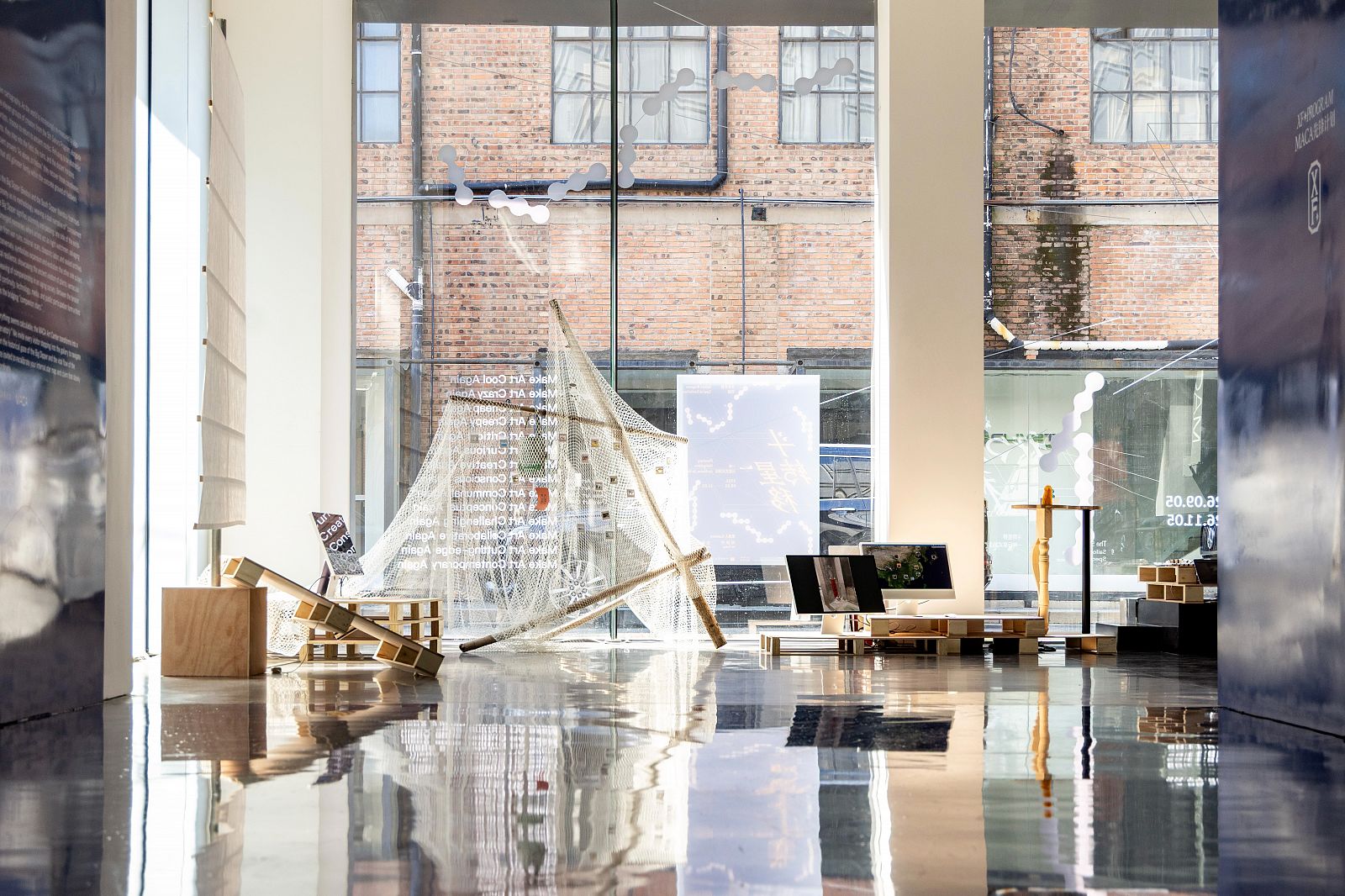
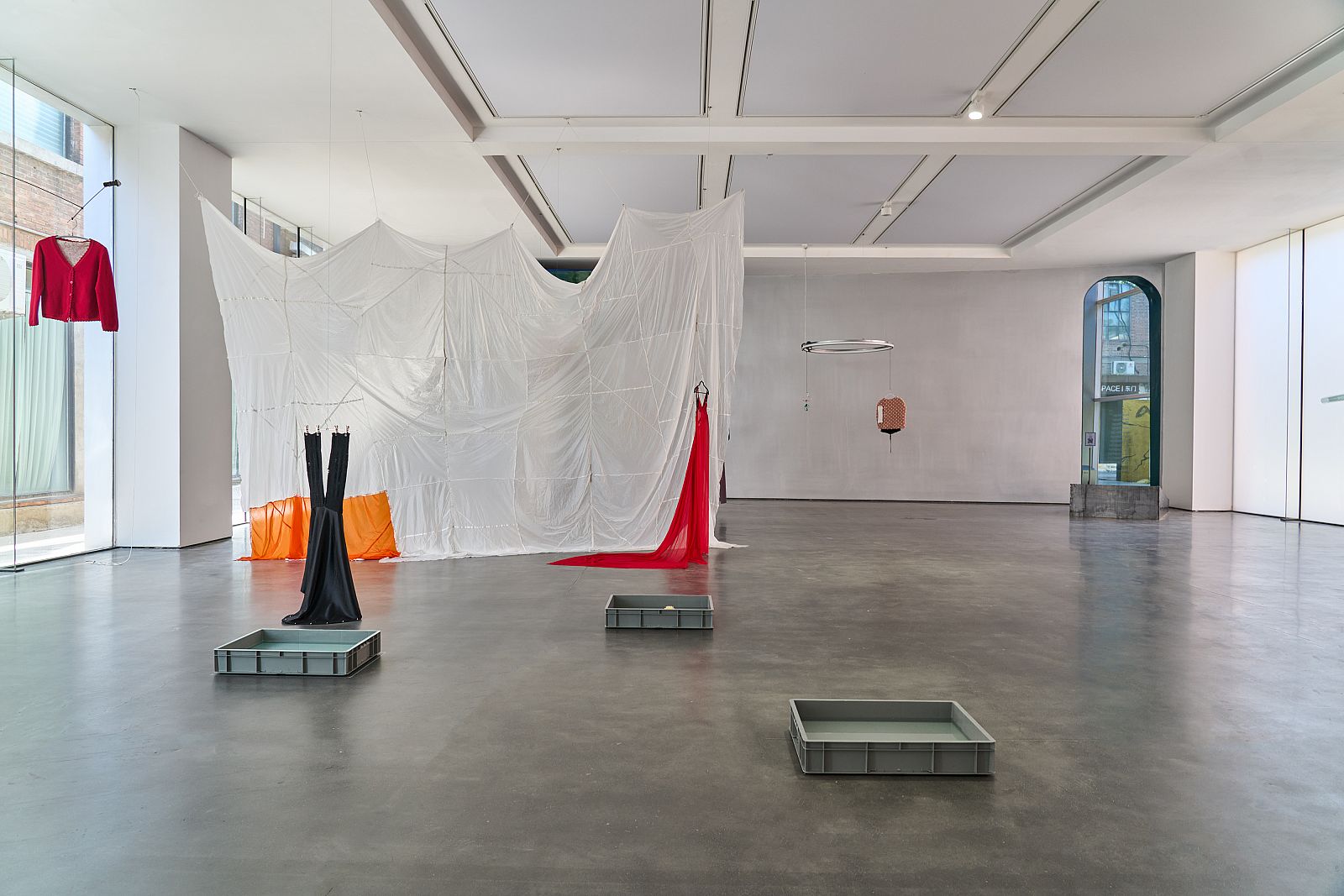
Planetary Navigation: As Above, So Below, installation view, MACA Art Center, 2026. Photo courtesy of the One-Way Street Foundation
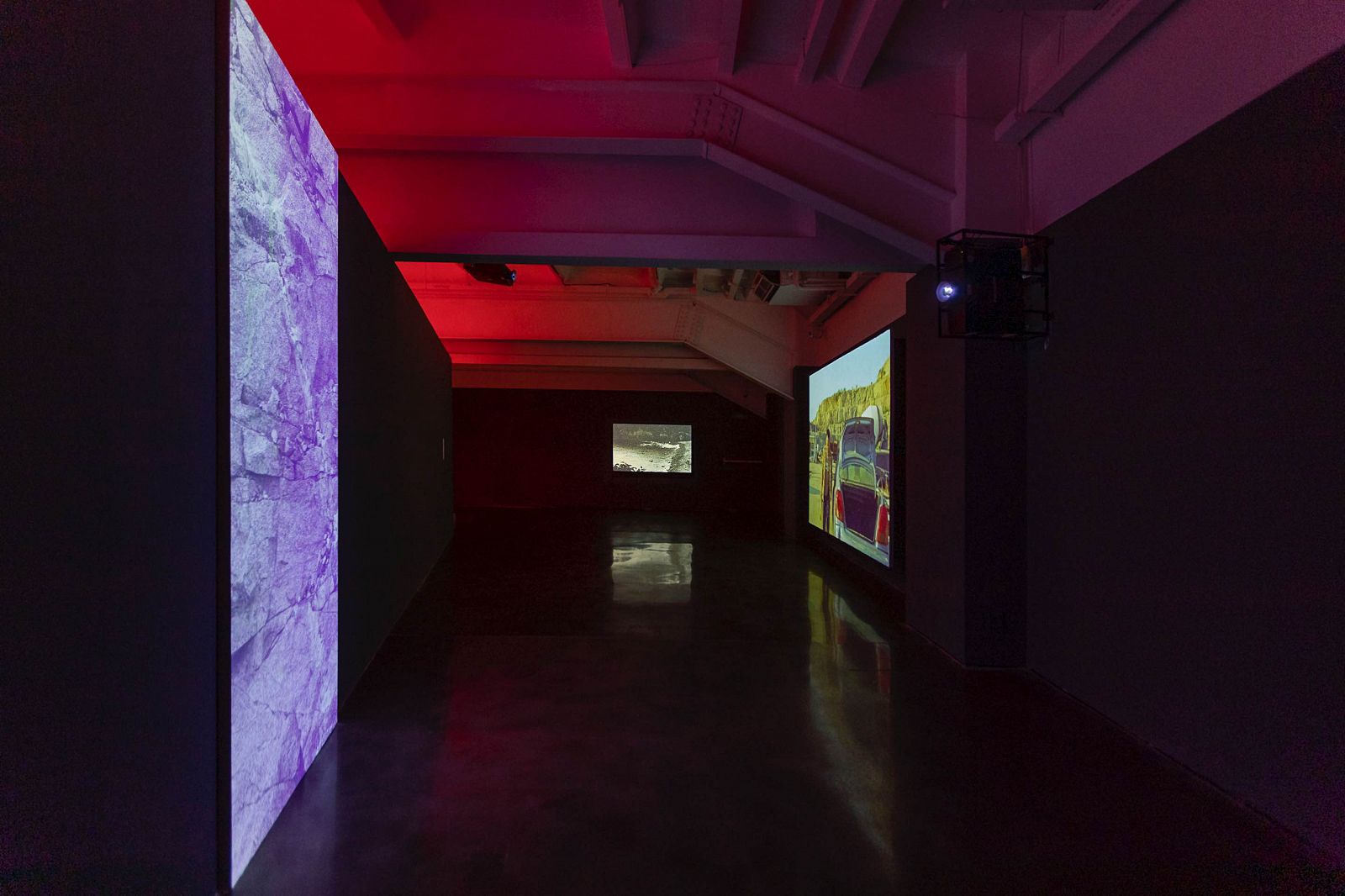
Planetary Navigation: As Above, So Below, installation view, MACA Art Center, 2026. Photo courtesy of the One-Way Street Foundation
.jpg?w=1600)
Cherry Song, The Investiture of the Bee Gods, 2026, mixed media, dimensions variable. Planetary Navigation: As Above, So Below, installation view, MACA Art Center, 2026. Photo courtesy of the One-Way Street Foundation
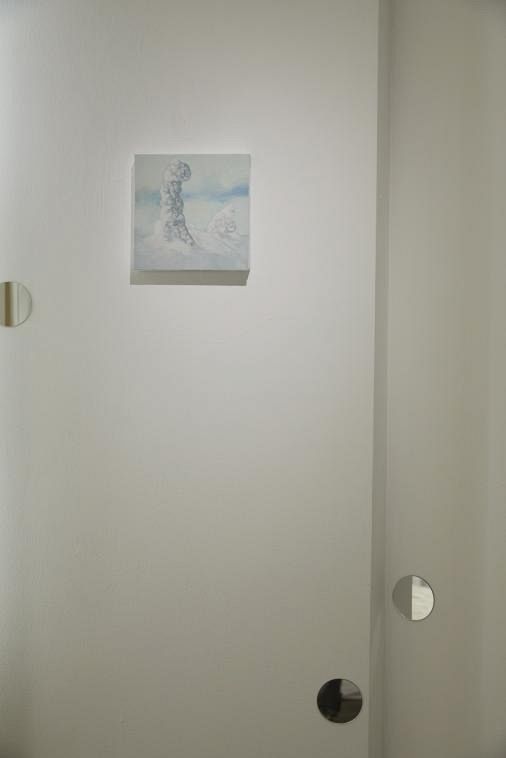
Chen Yifei, Ambu Crossing Ports, 2026, bamboo poles, fabric, video, 24 min 43 sec, booklet, dimensions variable. Planetary Navigation: As Above, So Below, installation view, MACA Art Center, 2026. Photo courtesy of the One-Way Street Foundation
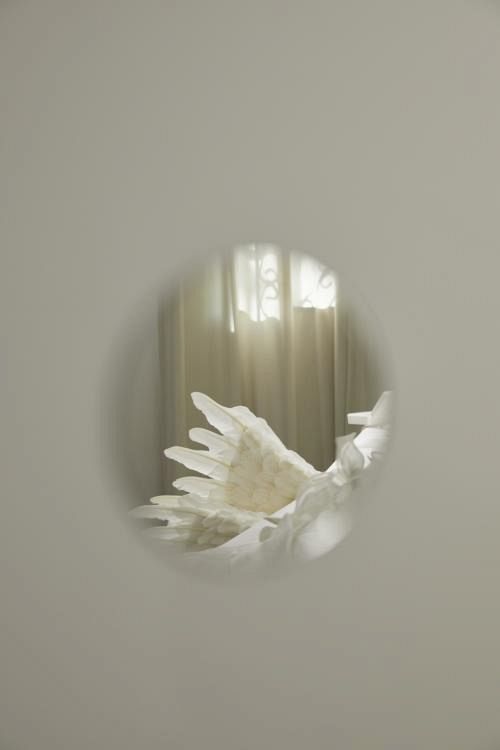
Zhao Yueting & Will Xie, Terroir Sketching, 2026, mixed media, dimensions variable. Planetary Navigation: As Above, So Below, installation view, MACA Art Center, 2026. Photo courtesy of the One-Way Street Foundation
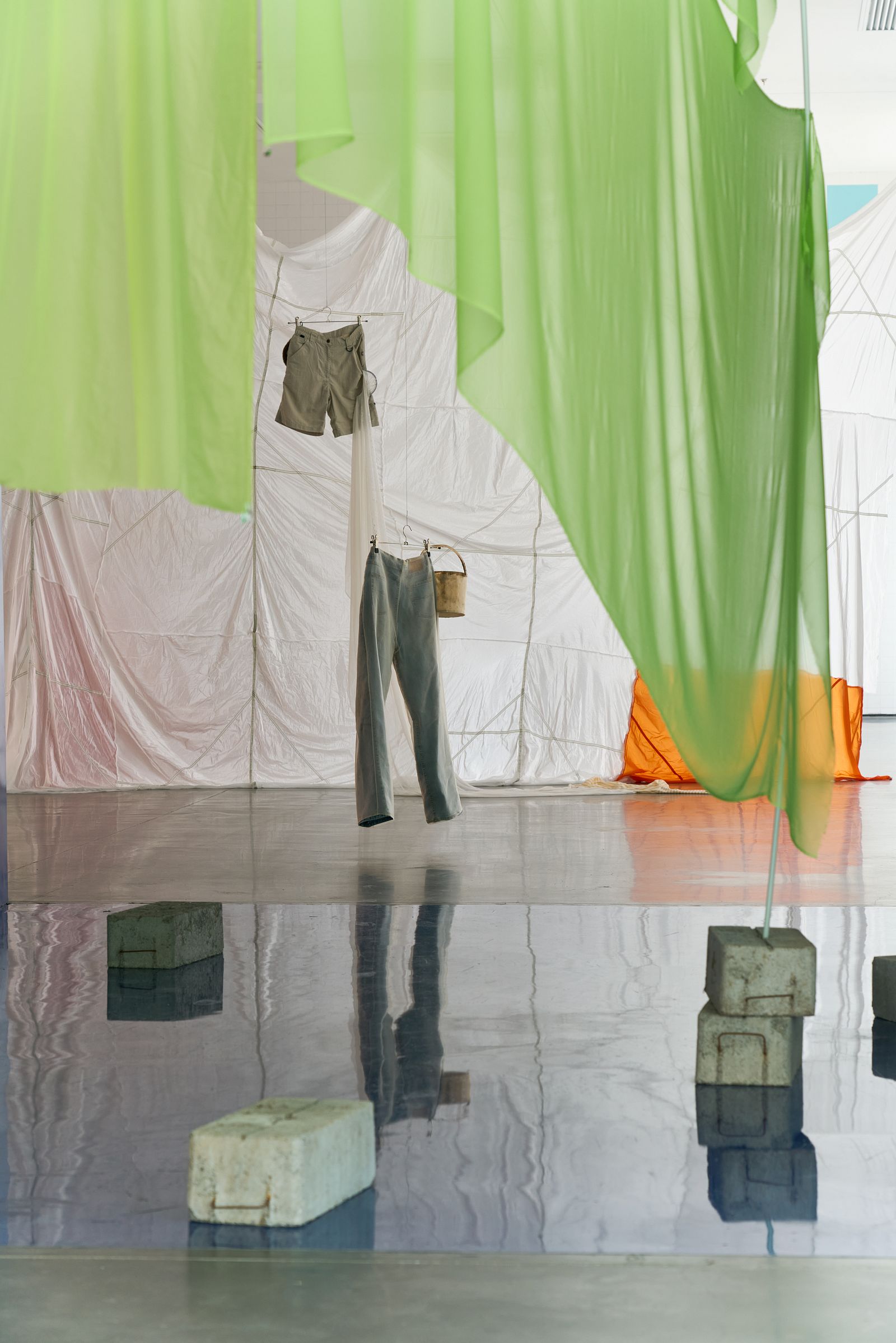
Planetary Navigation: As Above, So Below, installation view, MACA Art Center, 2026. Photo courtesy of the One-Way Street Foundation
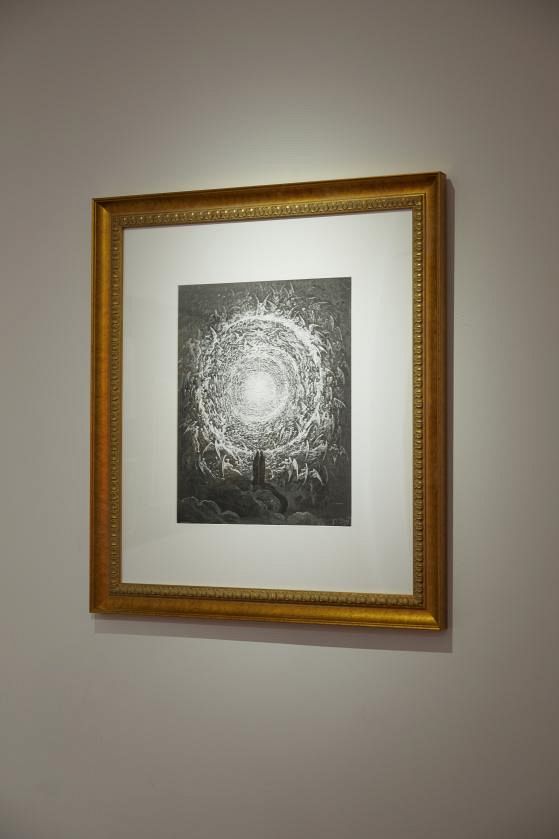
Chen Yiqing, Transient Journey, 2026, three-channel video, 6K, color, two-channel sound, 30 min. Planetary Navigation: As Above, So Below, installation view, MACA Art Center, 2026. Photo courtesy of the One-Way Street Foundation
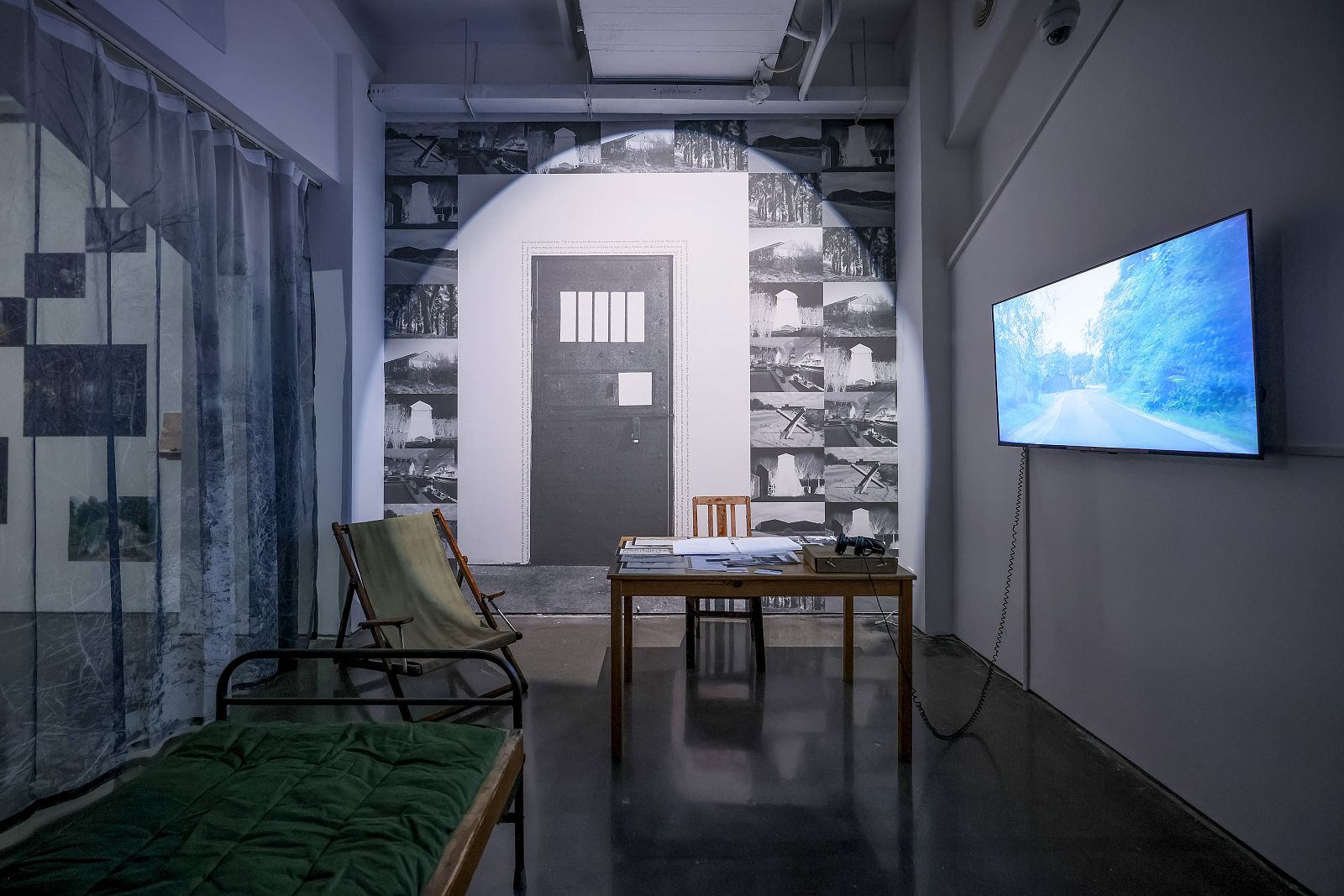
Cui Yuxuan, Drawn in Captivity (Chapter I), 2025–present, two-channel 4K video, color, sound, photography, archival materials, translucent fabric, found furniture and objects. Planetary Navigation: As Above, So Below, installation view, MACA Art Center, 2026. Photo courtesy of the One-Way Street Foundation
Li Chenchi, Elegant Blue, 2026, Oil and acrylic on canvas, 239×190 cm. Planetary Navigation: As Above, So Below, installation view, MACA Art Center, 2026. Photo courtesy of the One-Way Street Foundation
←
1
/
9
→